FILMOGRAPHY
CAT 01 — FEATURE FILM · 02 WORKS
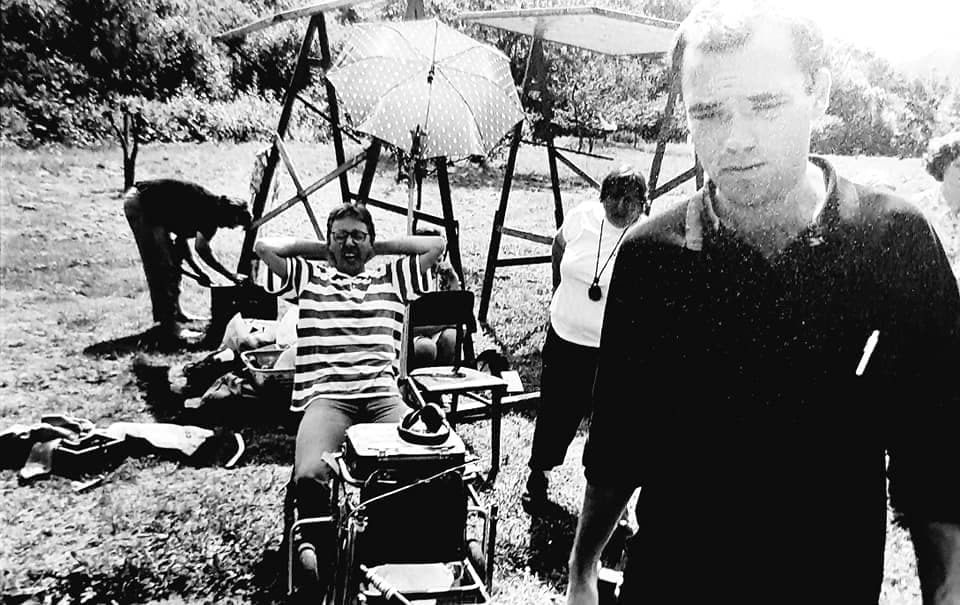
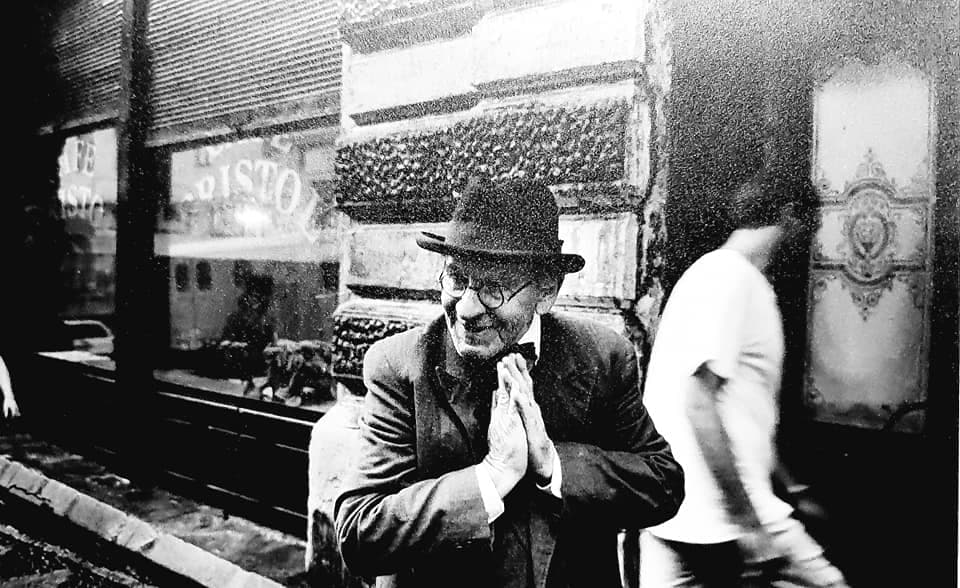
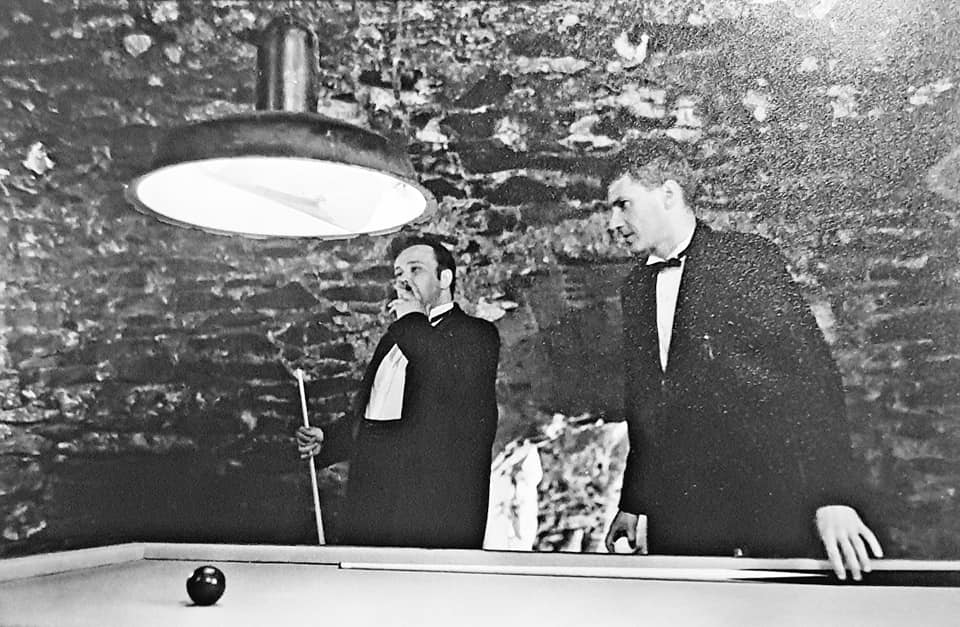
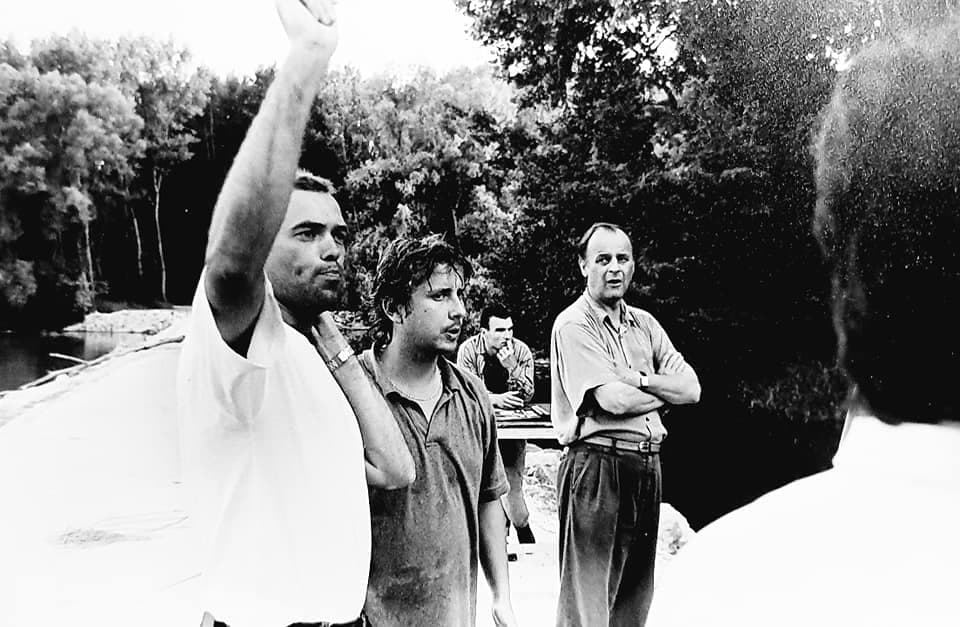
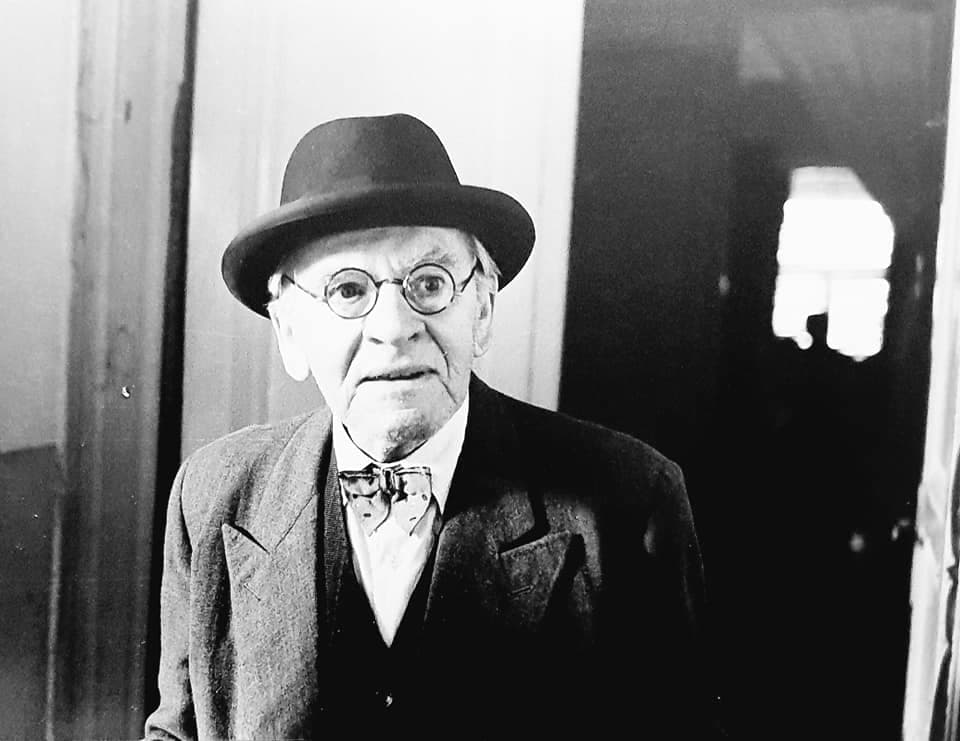
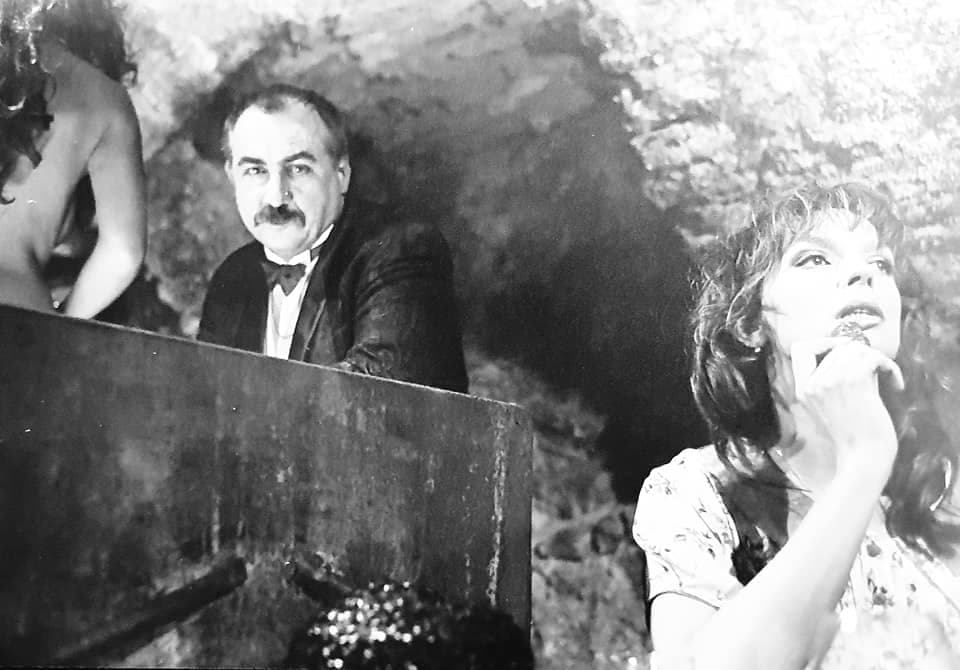
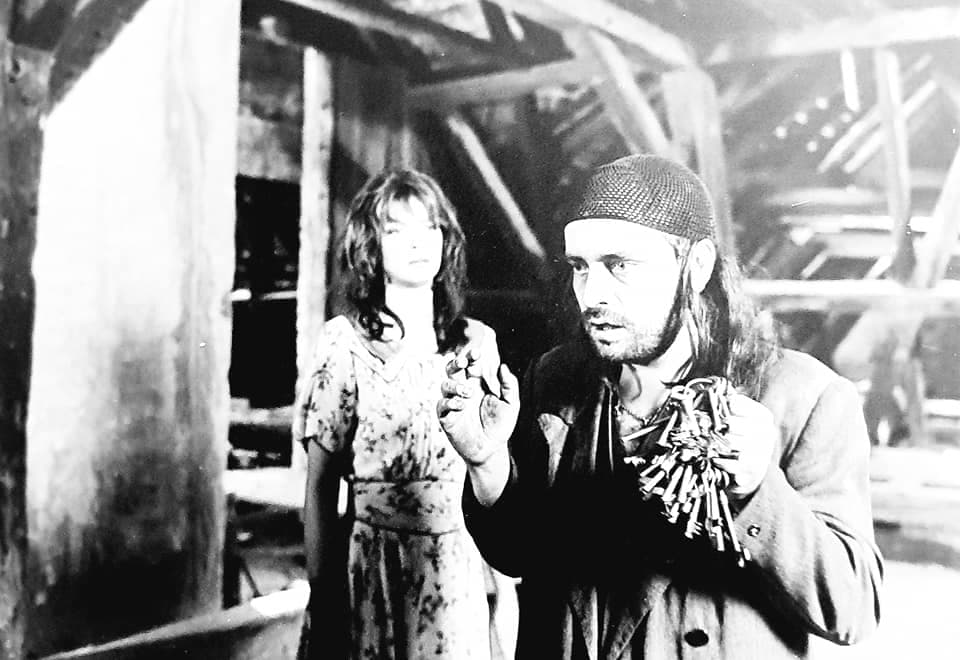
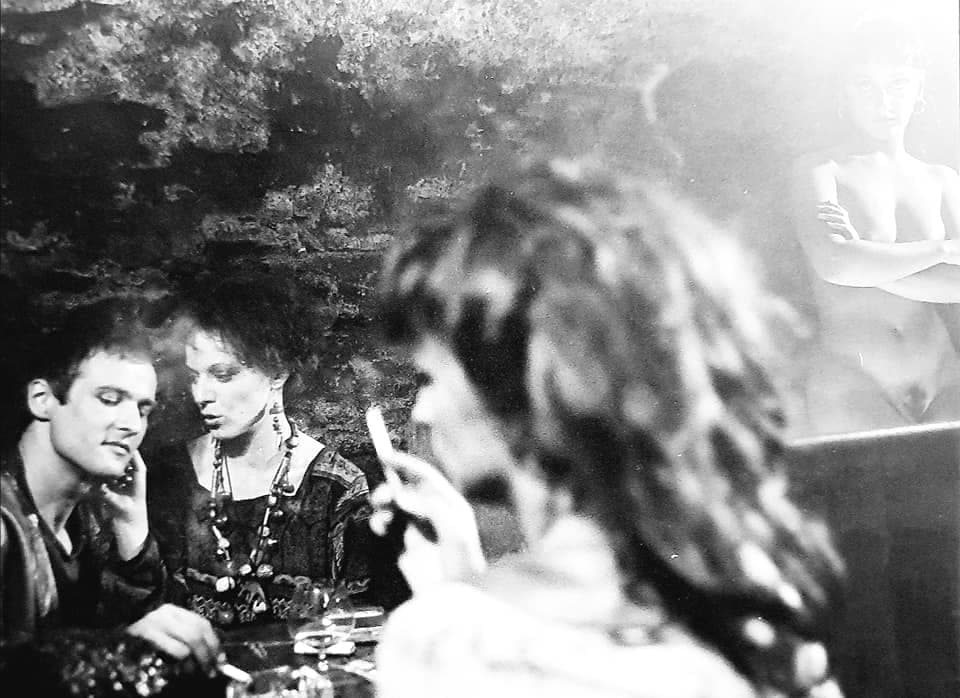
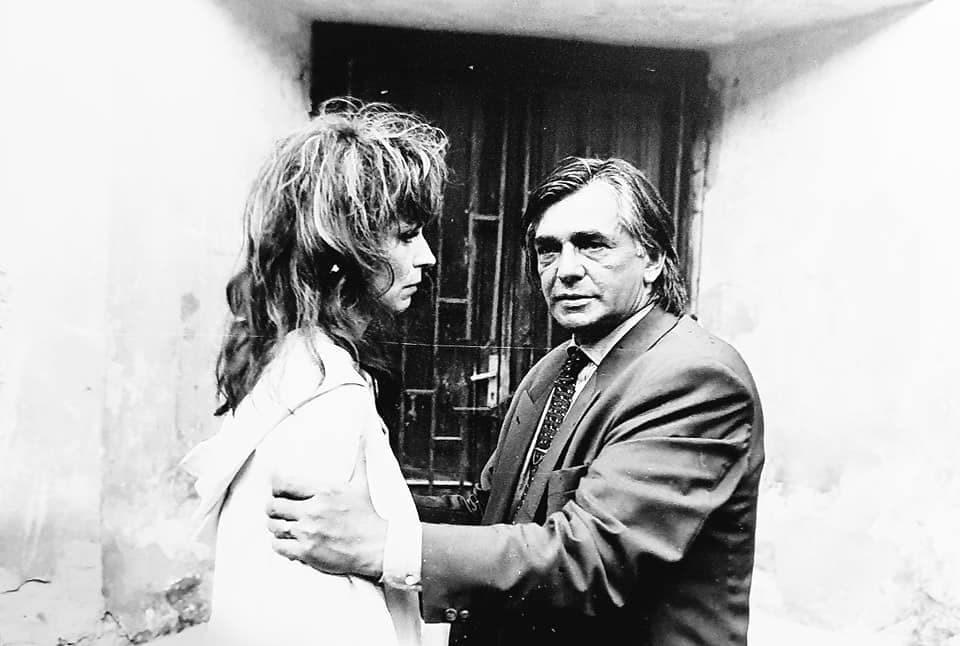
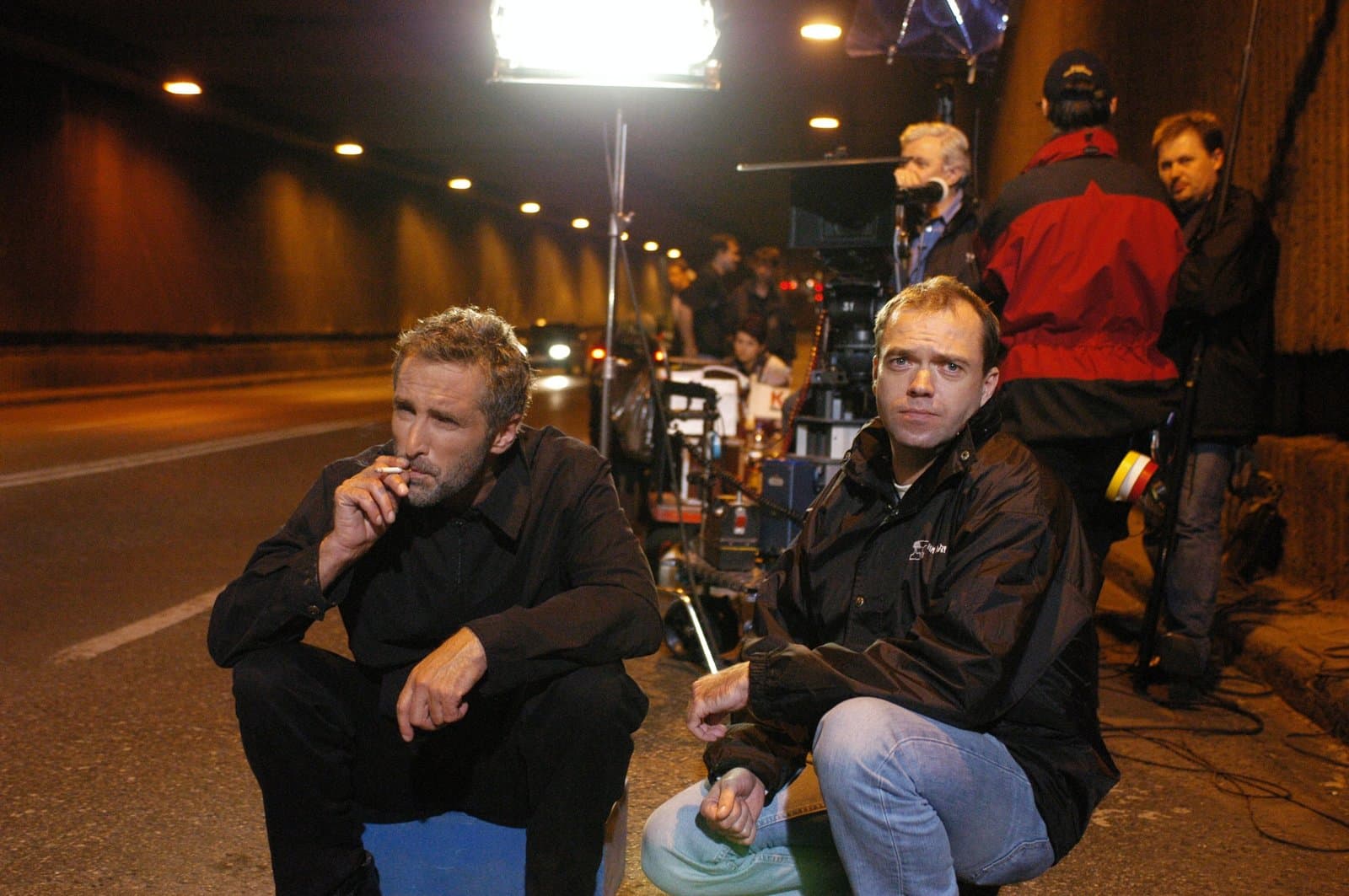
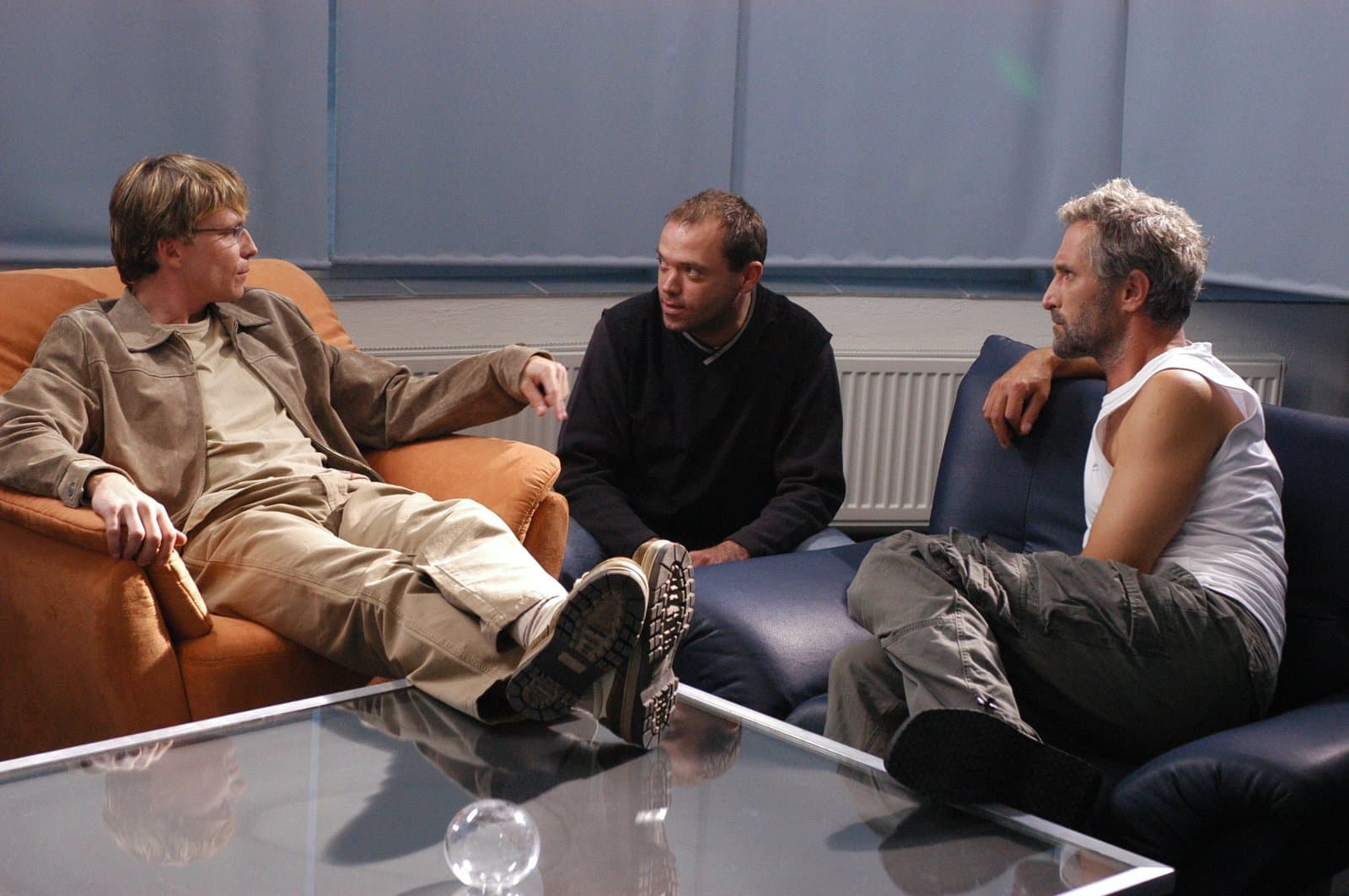
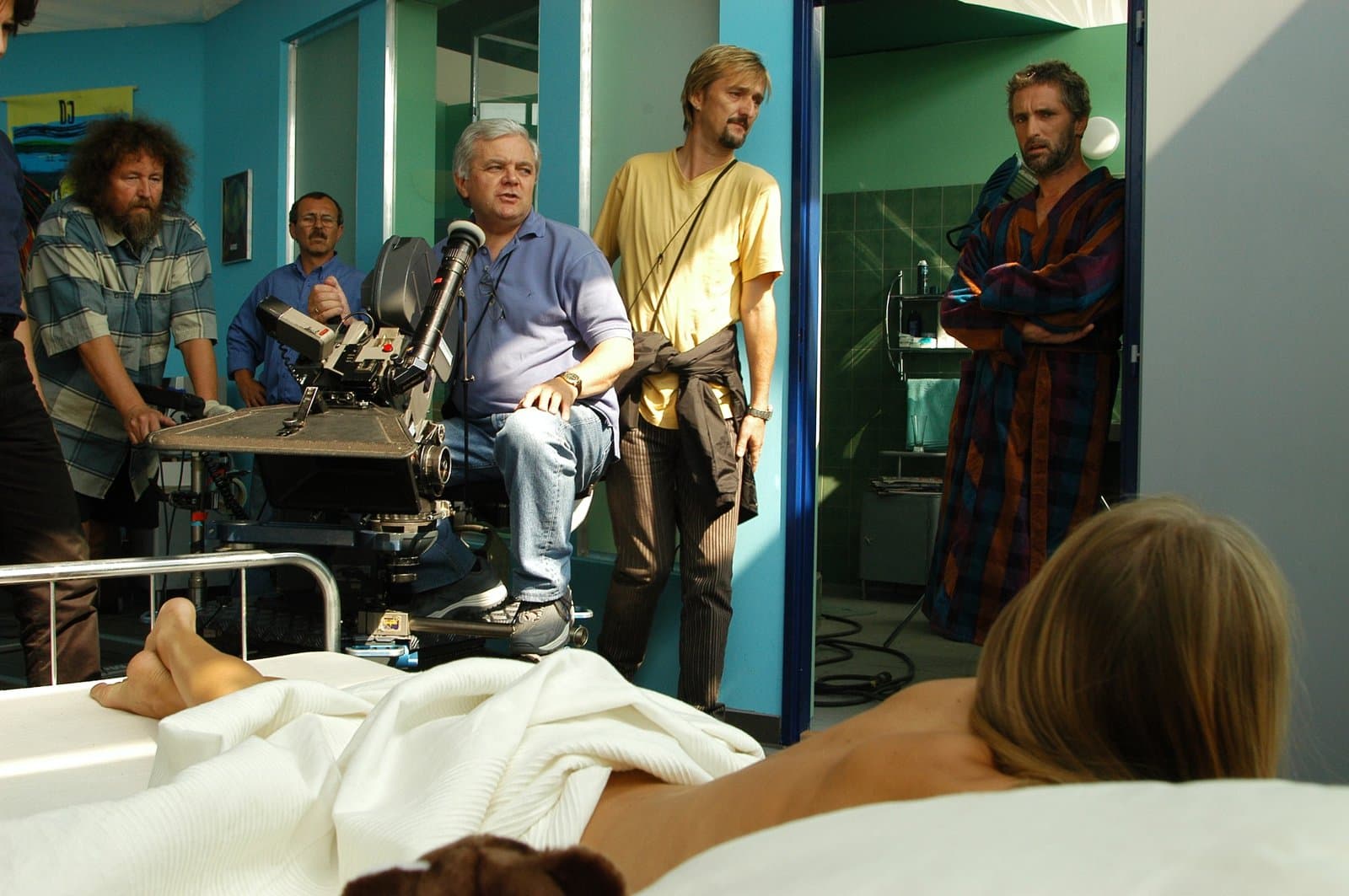
A Passionate Kiss is the story of a woman confronted with the bizarre world of a magical city somewhere in Europe. It begins with a dream — a nightmare — and continues through a series of encounters. This is not a feminist story, yet femininity plays a decisive role in it: the moral and ethical shifts in the mind of a modern woman who decides to walk away from an empty (if financially secure) relationship.
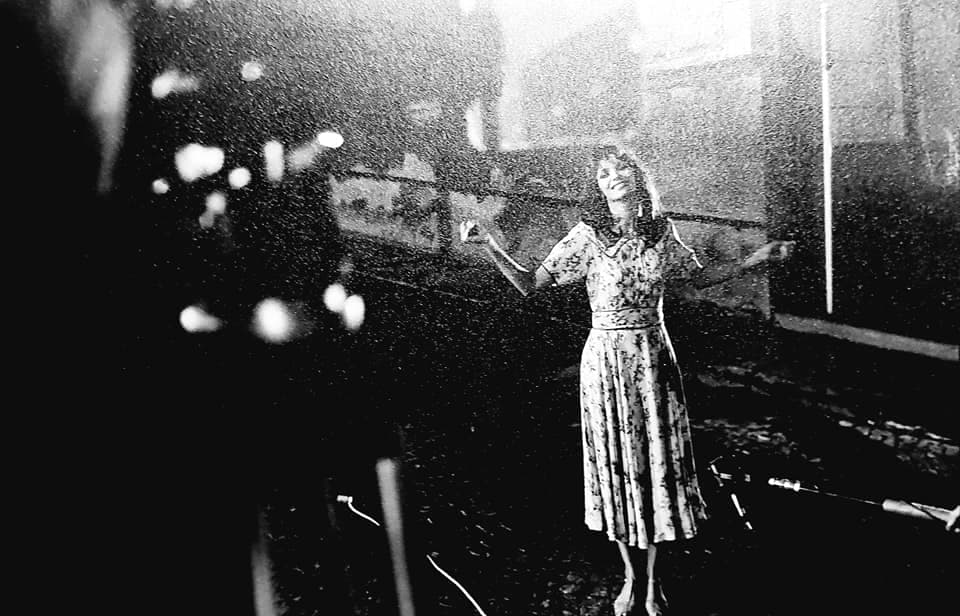
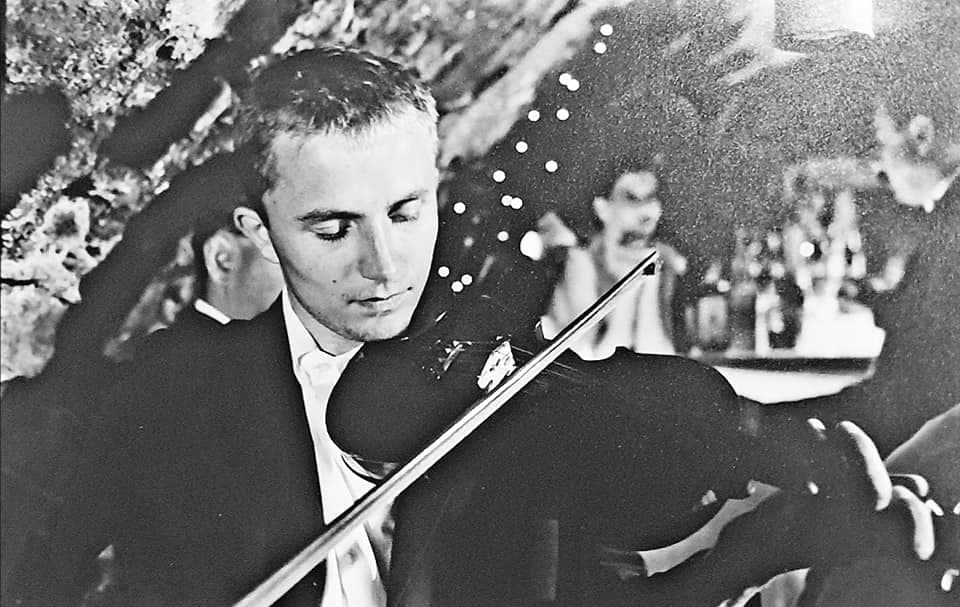
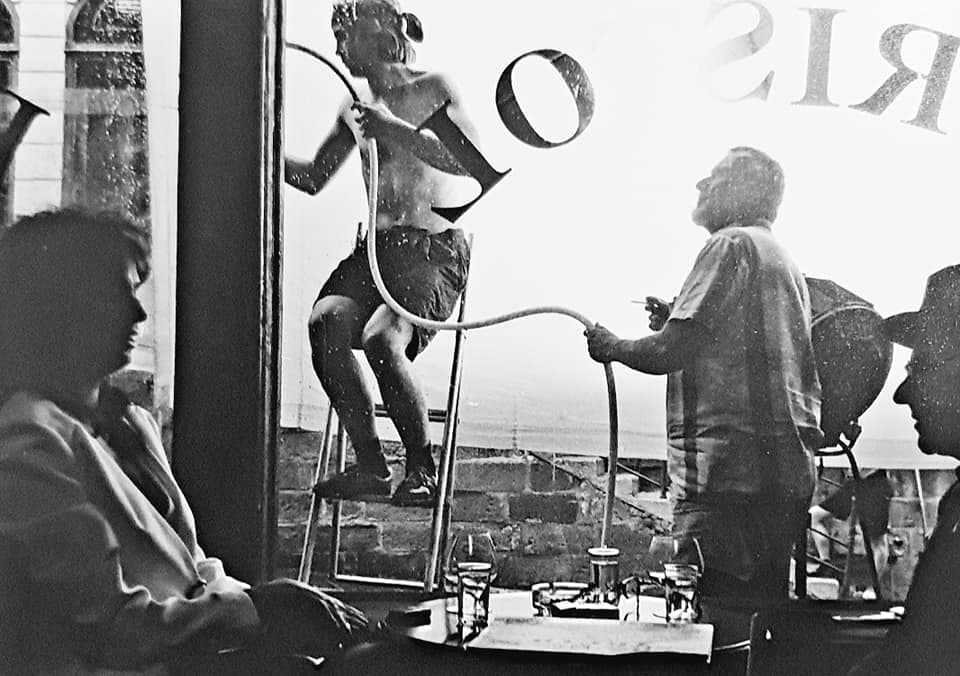
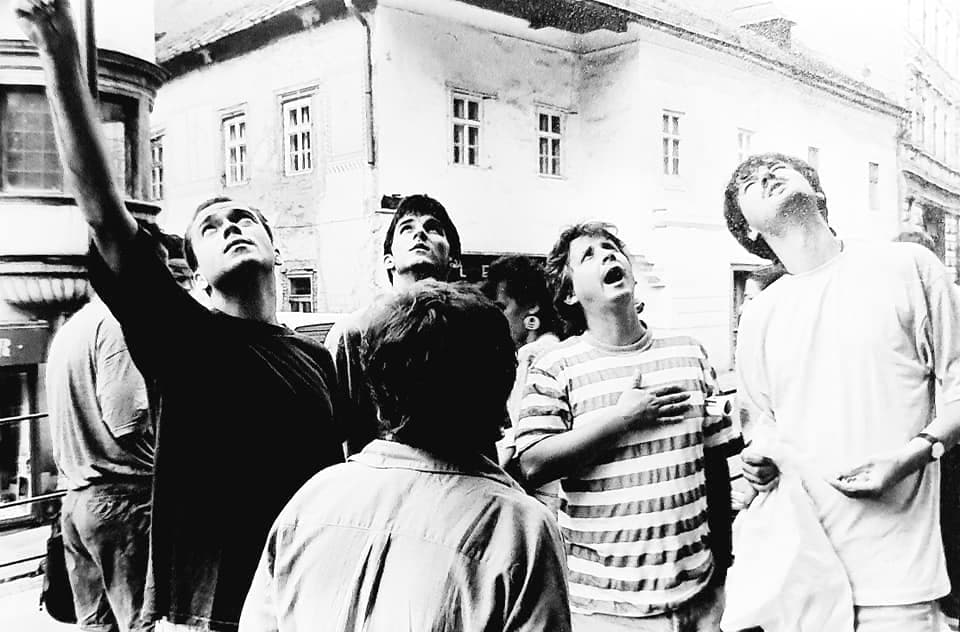
WHAT A Passionate Kiss is the story of a woman confronted with the bizarre world of a magical city somewhere in Europe. It begins with a dream — a nightmare — and continues through a series of encounters. On the first day the woman meets her husband, an Old Man and a female Friend, and the evening ends in a strange night bar. Day and night are peopled with a host of remarkable characters who influence the woman and gradually change the way she sees reality. The next day again begins with a meeting with her husband, followed by a visit to her mentally disabled son. It is then that the woman finally frees herself from her dependence on her husband and on the city. After a scene at the cinema and a last night spent with her husband, she breaks with him dramatically the following morning and returns to her son. Alongside this, the film unfolds the stories of its secondary characters — gangsters, transvestites, local eccentrics and the like — who together shape the atmosphere of the whole. This is not a feminist story, yet femininity plays a decisive role in it: the moral and ethical shifts in the mind of a modern woman who decides to walk away from an empty (if financially secure) relationship. HOW A Passionate Kiss is a genuine film for the cinema — unlike the many audiovisual works shot with readily available digital technology and better suited to television broadcast. Here Miro Šindelka uses traditional, continuous storytelling built on large shot units — wide shots, medium-wide shots, American shots. The opening title scene alone evokes a visually rich film laden with mystery. The pictorial dimension plays a decisive role. The director often works with unusual colour, favouring blue and deep, saturated tones. His emphasis on rain, the lake and falling drops turns water into a powerful visual motif. Strange compositions (an umbrella set against a flight of stairs and the like) help build the film's mysterious atmosphere. The casting is very strong. Ivana Chýlková, Jiří Bartoška, Jozef Kroner. In the supporting roles, Matej Landl, Roman Luknár and others lend the characters an important psychological depth. Of all the film's expressive means, music is the most striking in A Passionate Kiss. The director often shows live music (Kuric, Kaščák) in the city streets, in the bar and so on. The music is never in counterpoint to the mood and actions of the characters; rather it deepens and intensifies them, and often gives them a further layer of meaning. Thanks to this consistent use of music, A Passionate Kiss never settles for a stylistically conservative, descriptive kind of narration. It reaches much further, and one senses the lessons of modern world cinema (the visual associations with the work of David Lynch are unmistakable). The film ends with an effective, romanticized closing scene of the return to the son. It stays within the bounds of the genre and can also be read as the definitive end of the dream — the nightmare — that the protagonist lives through at the start of the film. CONTEXT A Passionate Kiss is one of the films that helped Slovak fiction cinema gradually break free from the rigidity of the period before 1989. Much was expected of it. It was made in 1994, at a time of enormous crisis in Slovak film. Together with Semjan's film On the Beautiful Blue Danube, these were the only (!) films made in Slovakia that year. A Passionate Kiss is also a melodrama, a rather unusual genre in Slovakia — and yet an exceptionally rich and enduring one ever since the days of Romeo and Juliet. It is a genre with no outright villains: the conflict arises from a lack of understanding, from misunderstanding. In the Slovak context all of this was quite innovative for its time. And in the context of world cinema Miro Šindelka managed to read the trend precisely. The mid-1990s were, after all, a period of great melodramas worldwide — I need only mention Lars von Trier's Breaking the Waves or Mike Leigh's fascinating Secrets and Lies. A Passionate Kiss, then, is a film that arrived at exactly the right moment. Prof. Martin Ciel, PhD. In Slovakia the film was seen by 64,124 viewers. In the Czech Republic it was seen by 57,323 viewers.
- Miro Šindelka
- Soňa Koželová, Miro Šindelka
- Ondrej Šulaj, Miro Šindelka
- Marek Jícha
- Michal Kaščák
- František Lipták
- Katarína Hollá
- Roman Varga
- Michal Holubec
- Rudolf Bierman (Charlie´s)
- STV Bratislava, ČNTS - Nova, Ateliéry Zlín, In Film Praha, EFA Praha
- Ivana Chýlková (Hana), Jiří Bartoška (Igor), Jozef Kroner (Schneider), Szidi Tobias (Blanka), Roman Luknár (Lajko), Matej Landl (Viktor), Andrej Hryc (Mário), Katarína Kolníková (grandmother) and others
- 87 minutes
- 35 mm film – colour
- © Charlie’s 1994
- Martin Kollár
1995Banská Bystrica1995Bratislava1995Cottbus1995Káhira2013ARTFILMFEST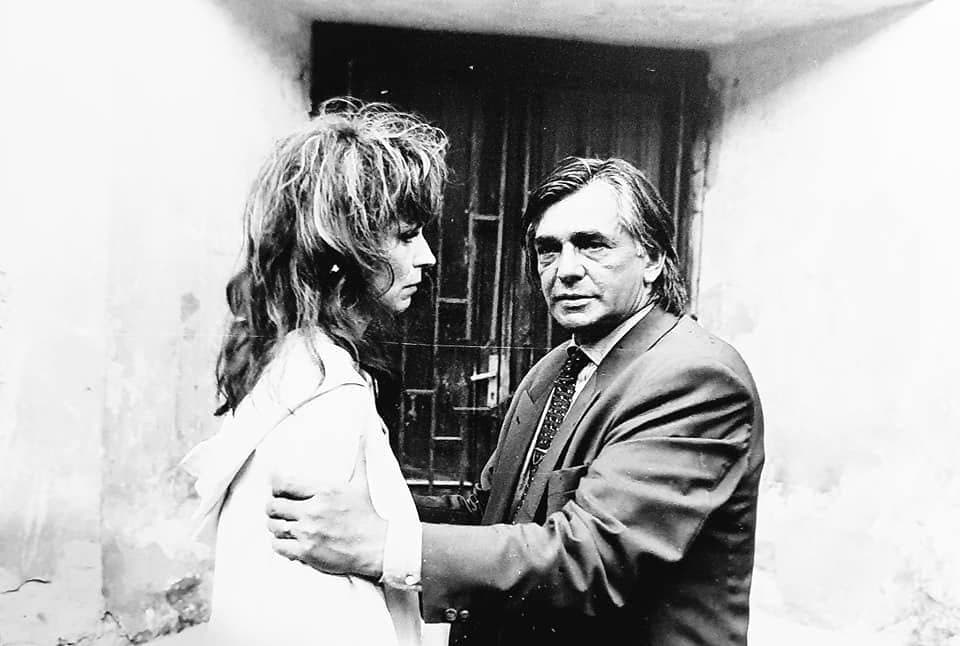
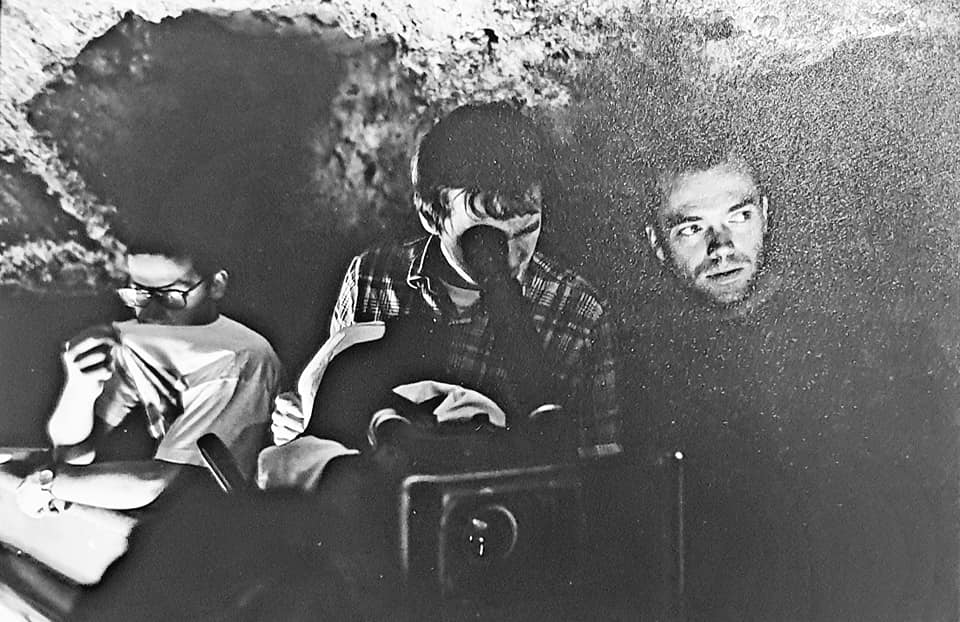
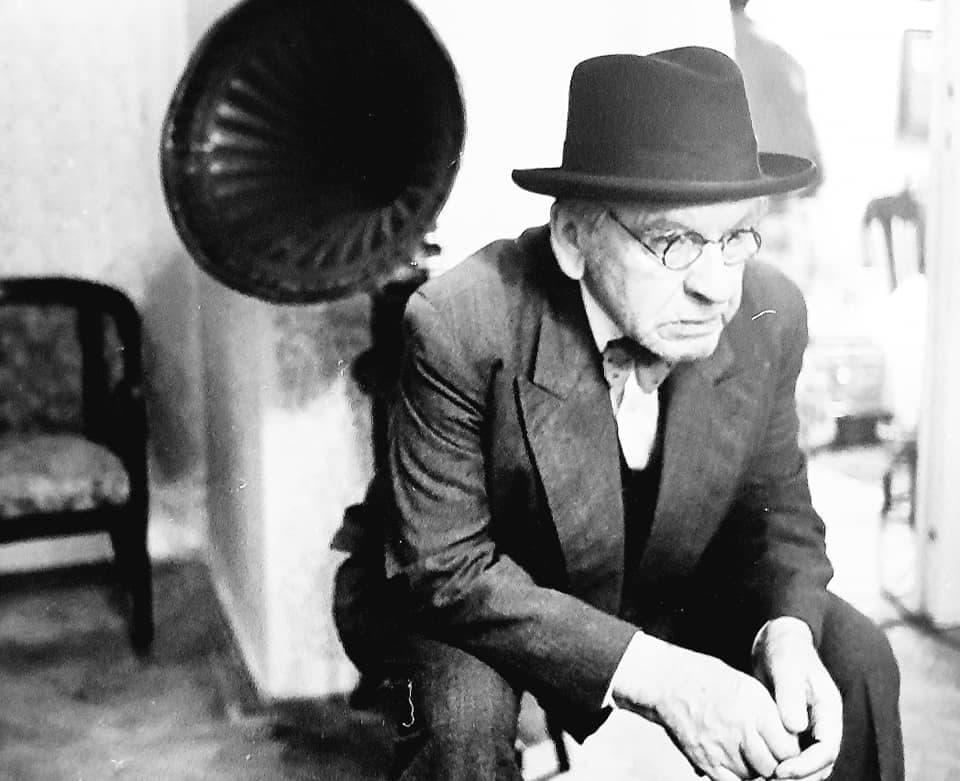
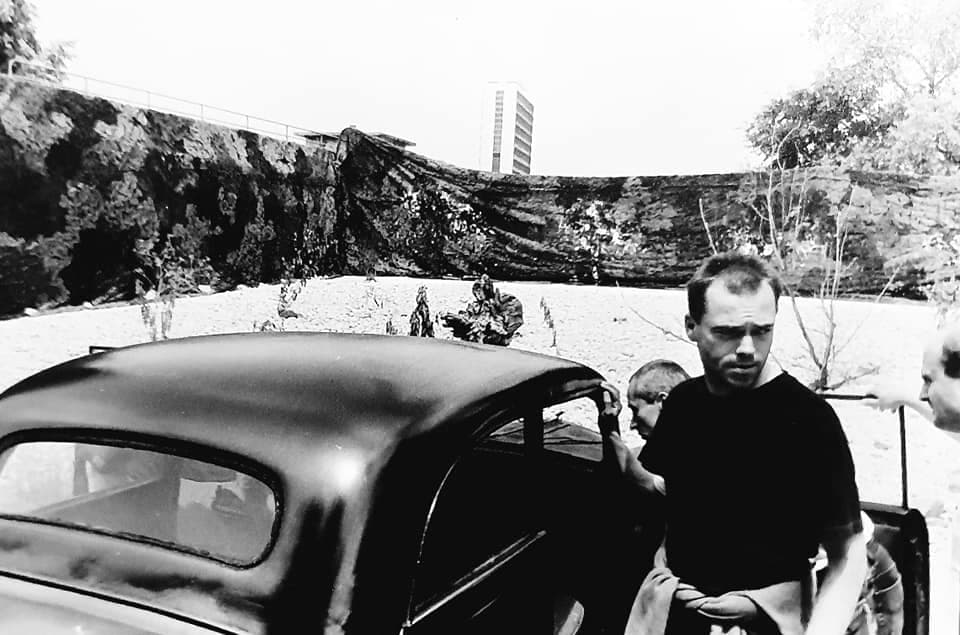
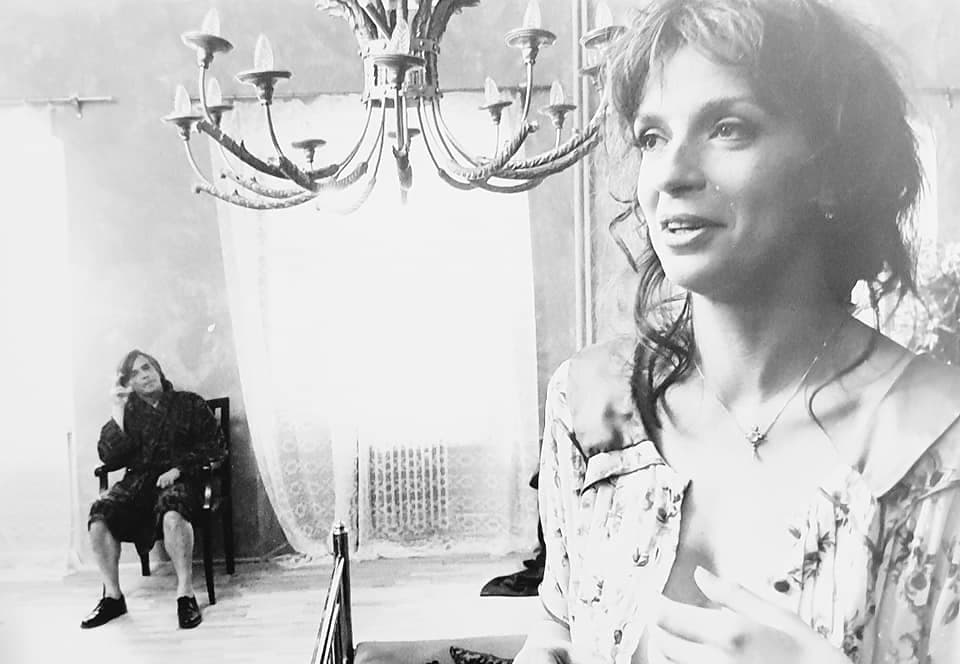
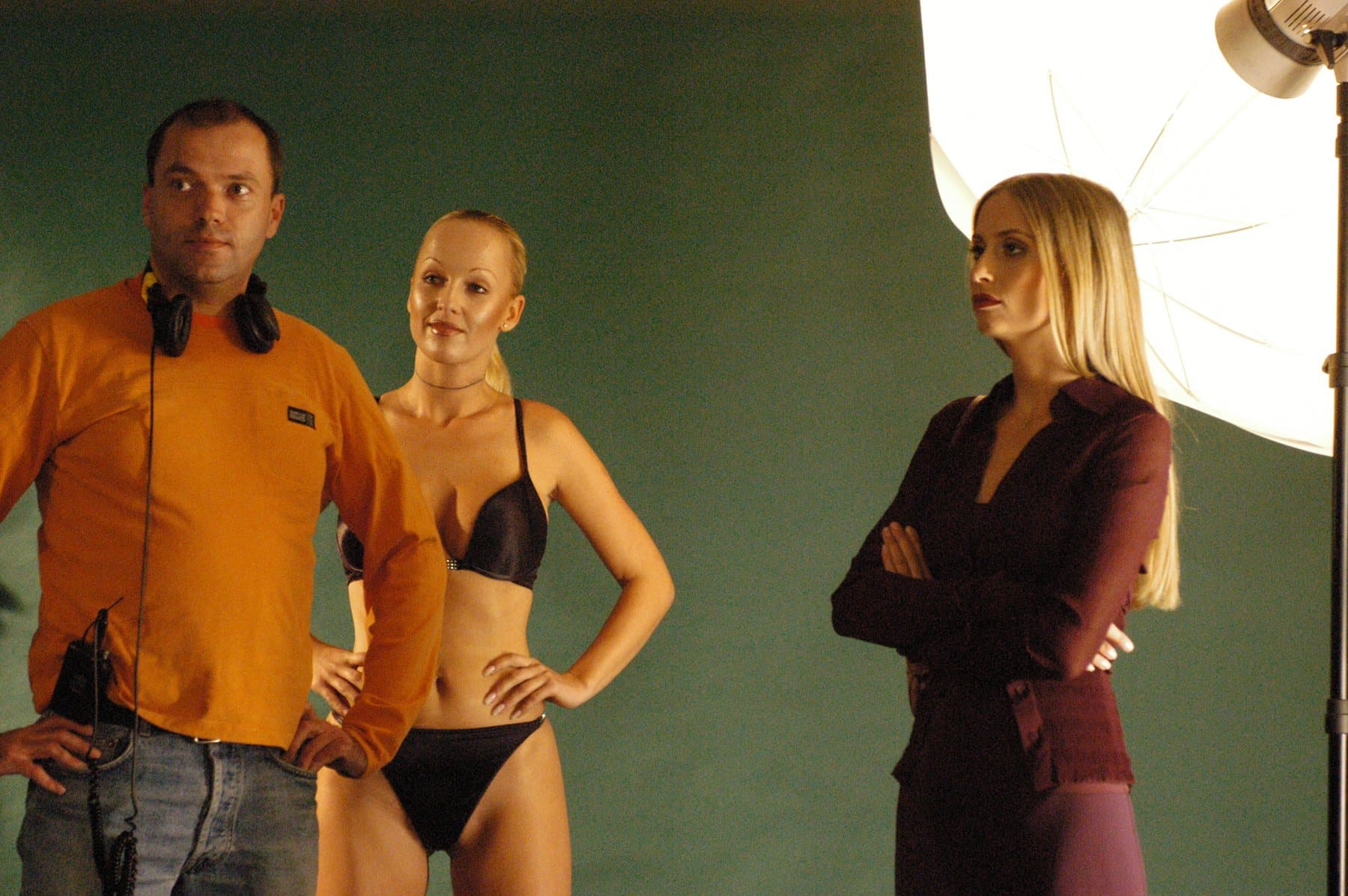
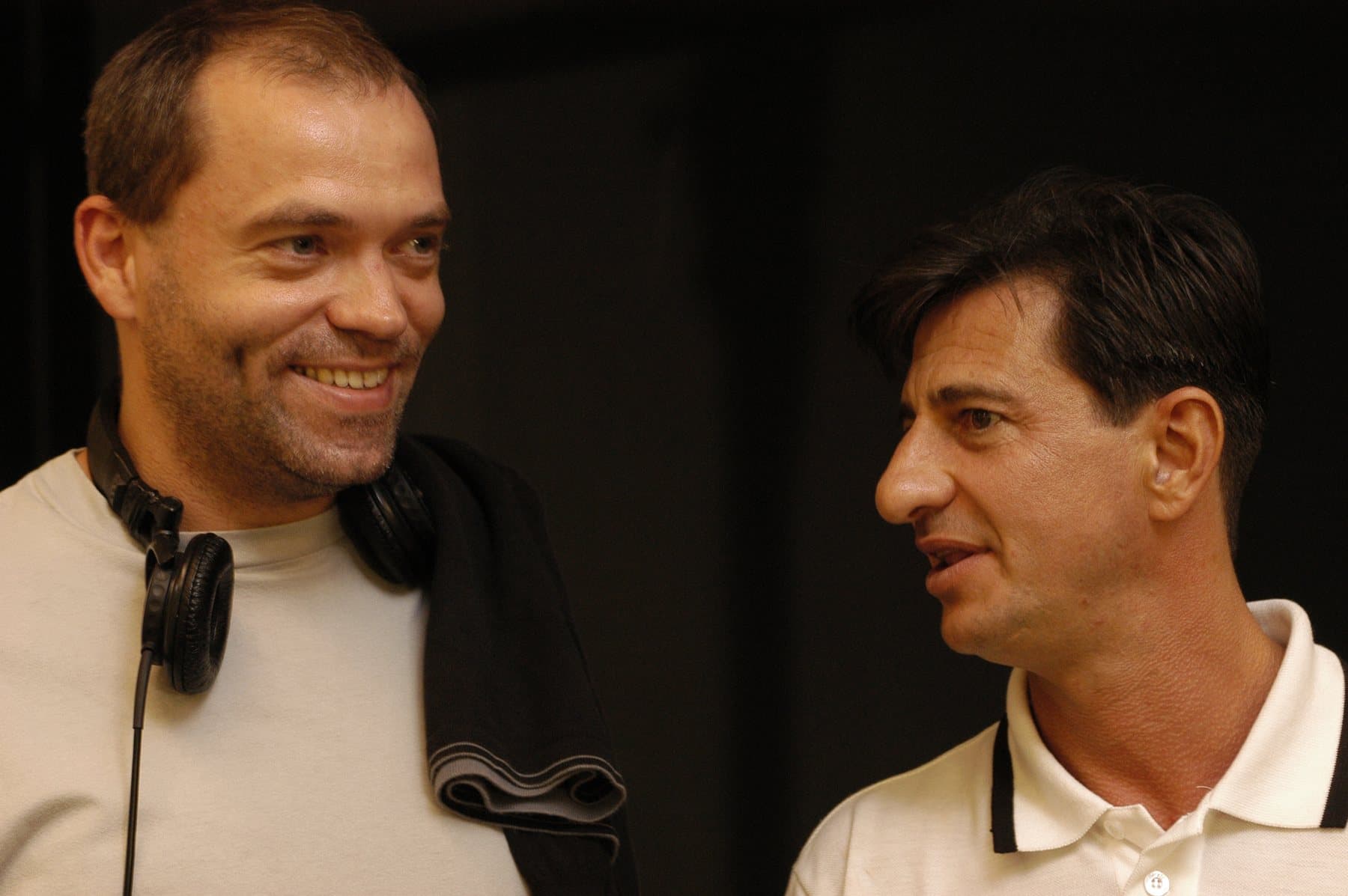
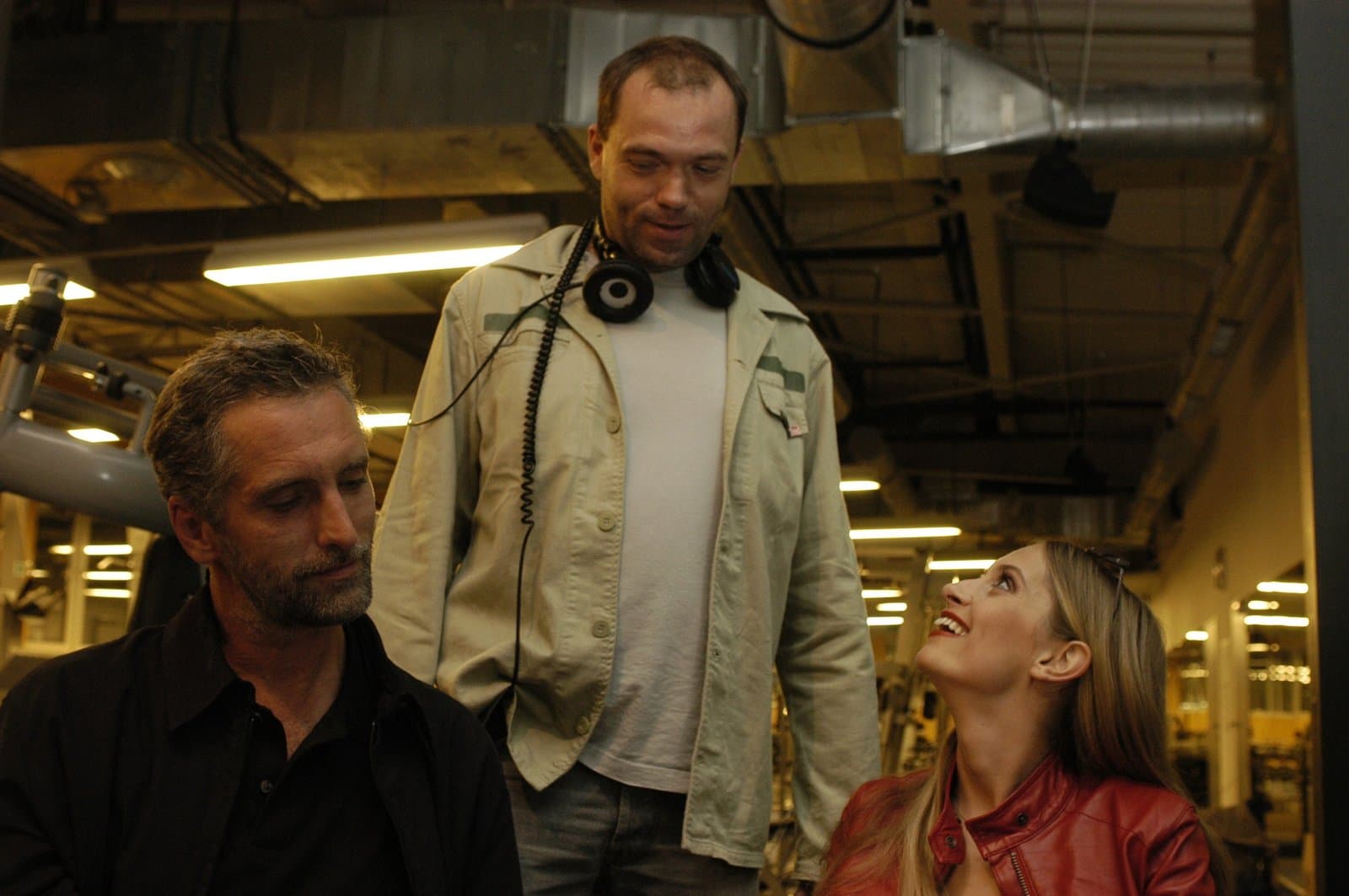
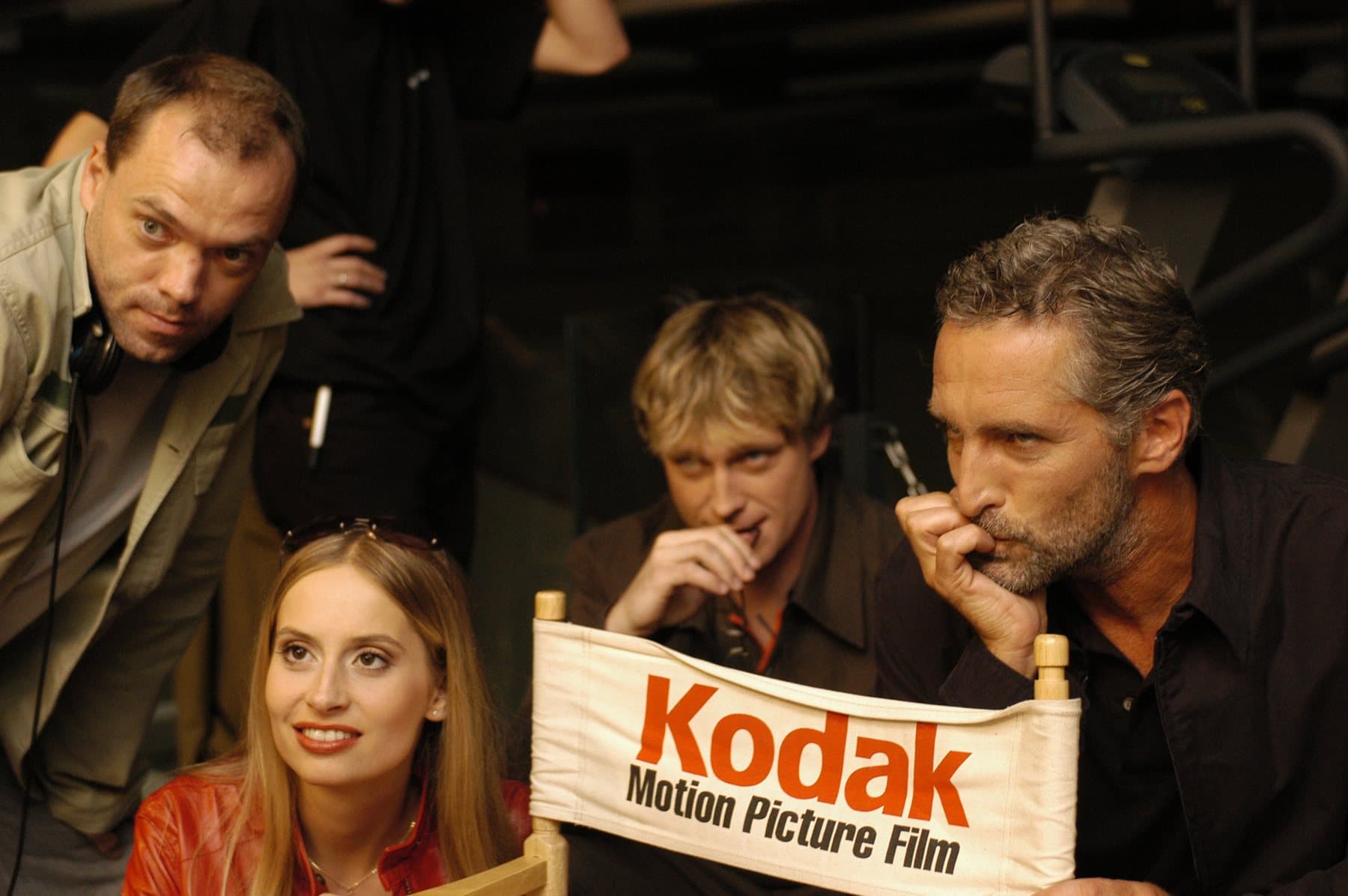
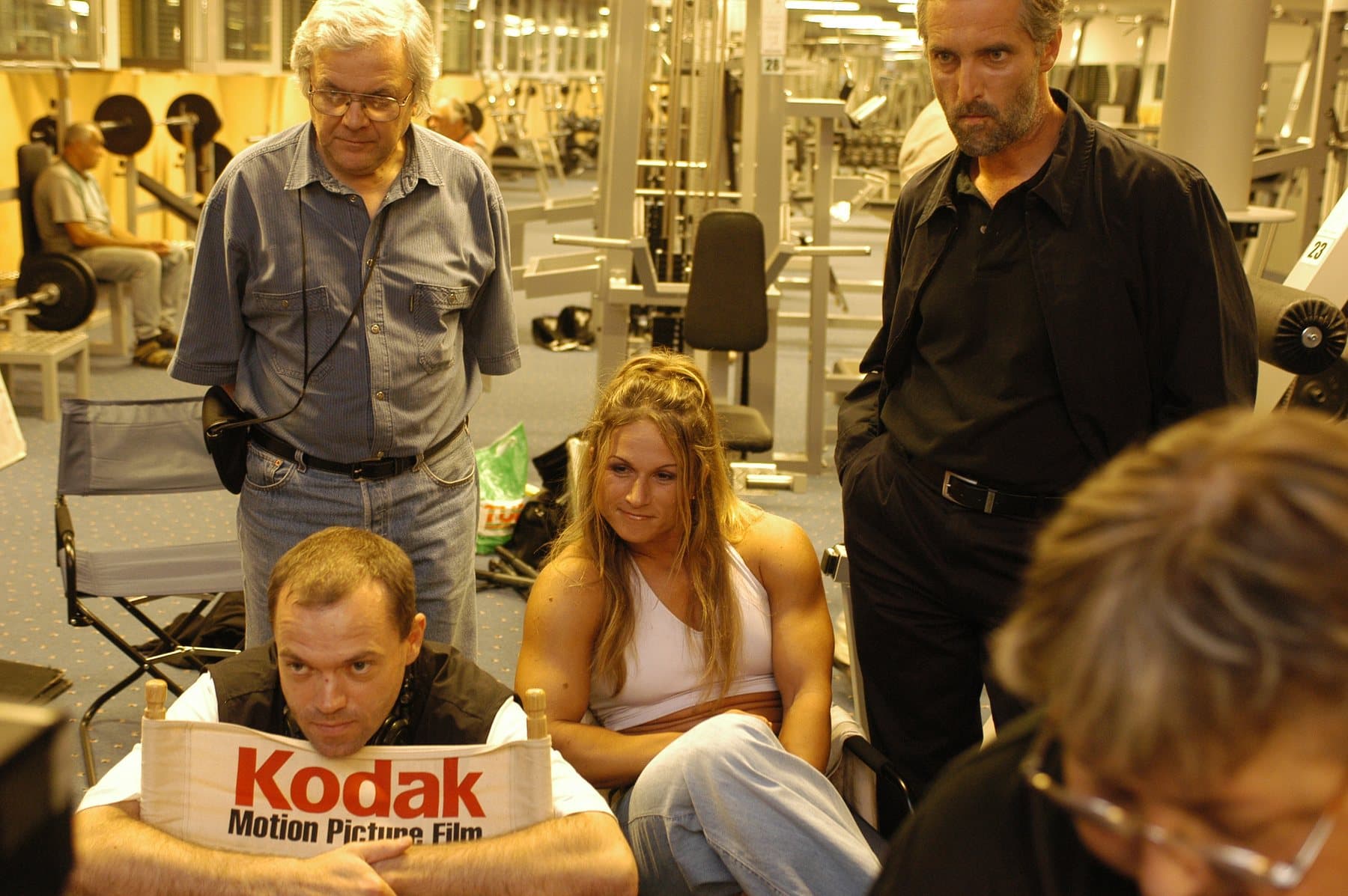
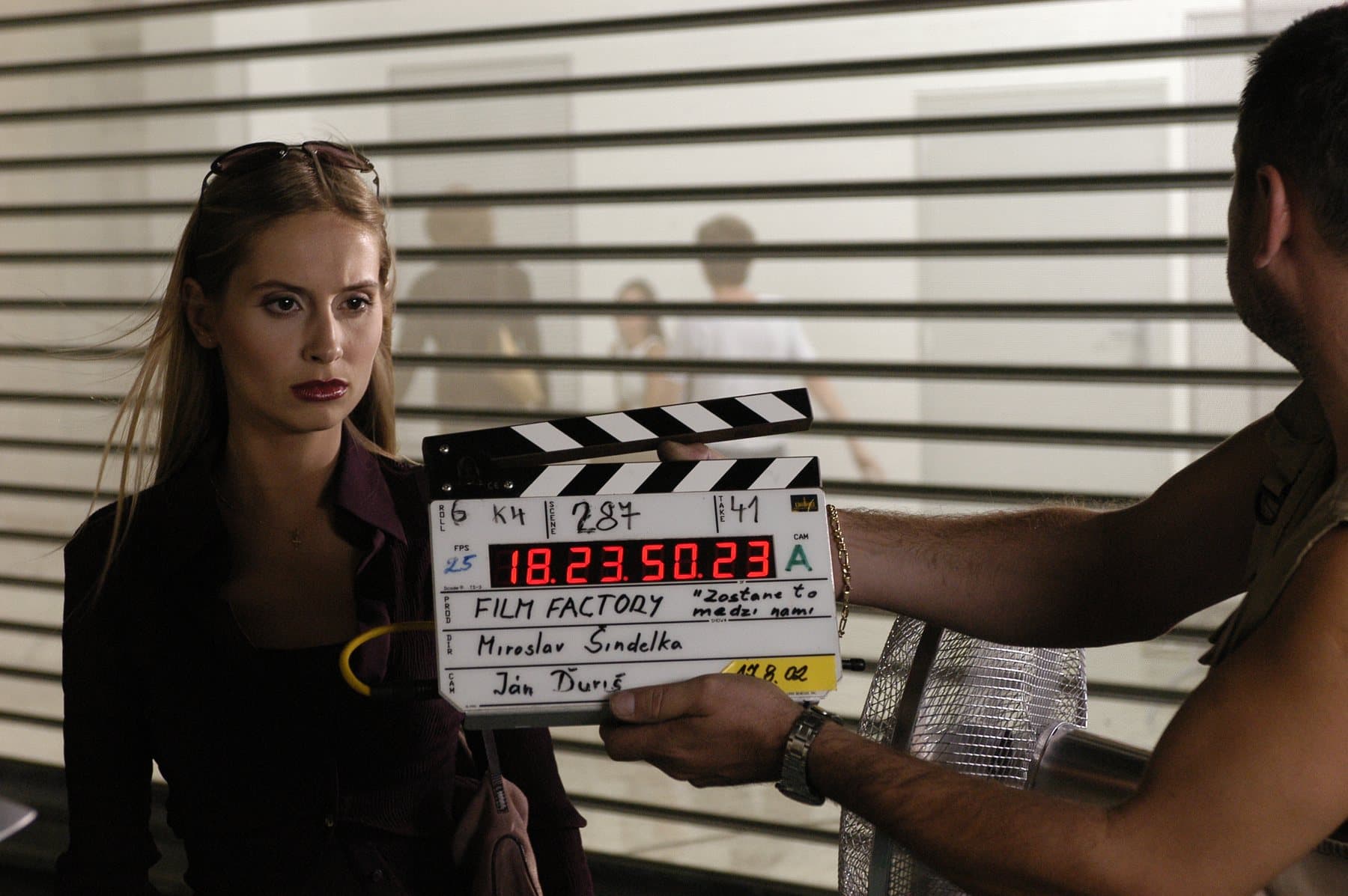
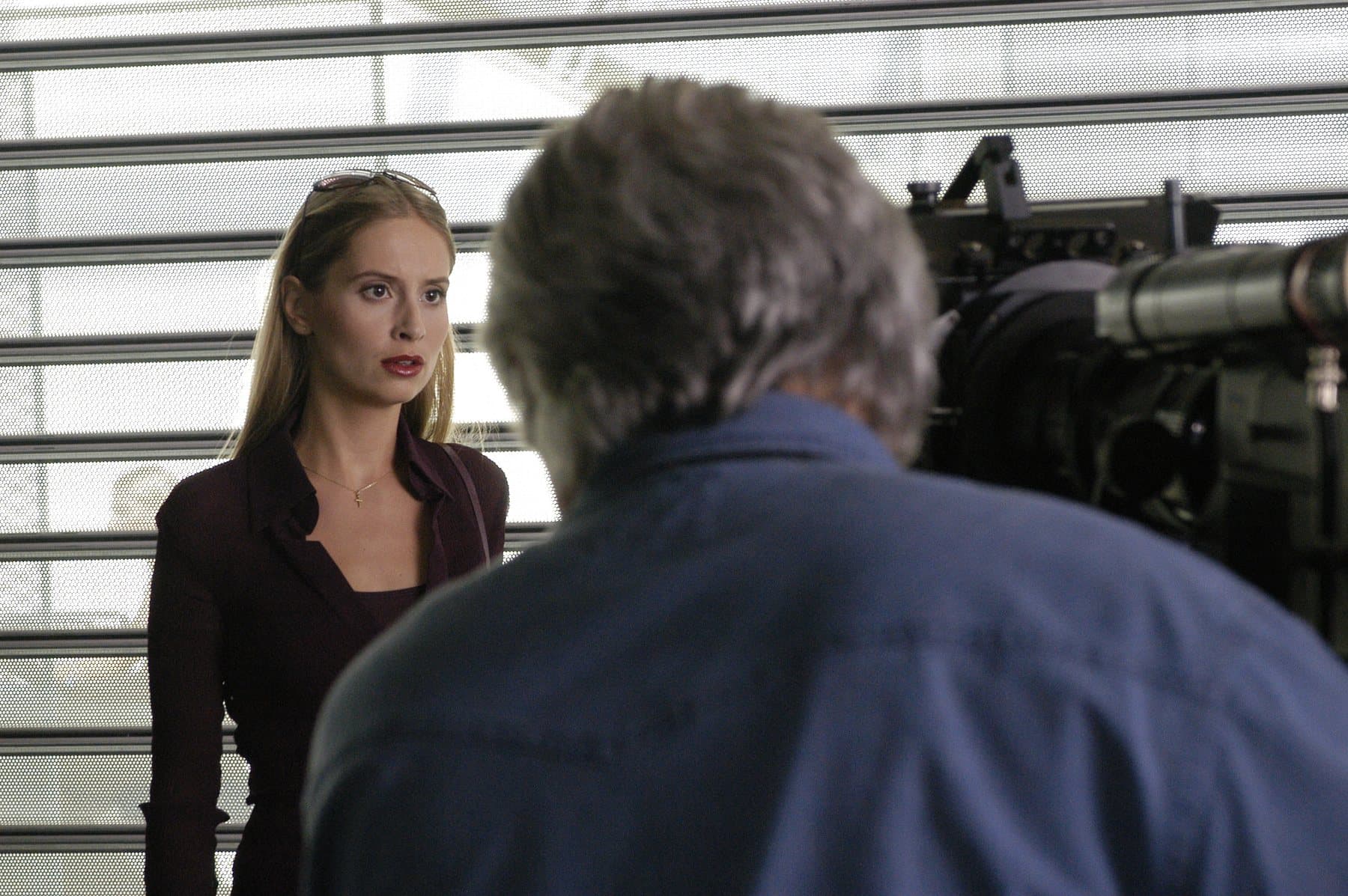
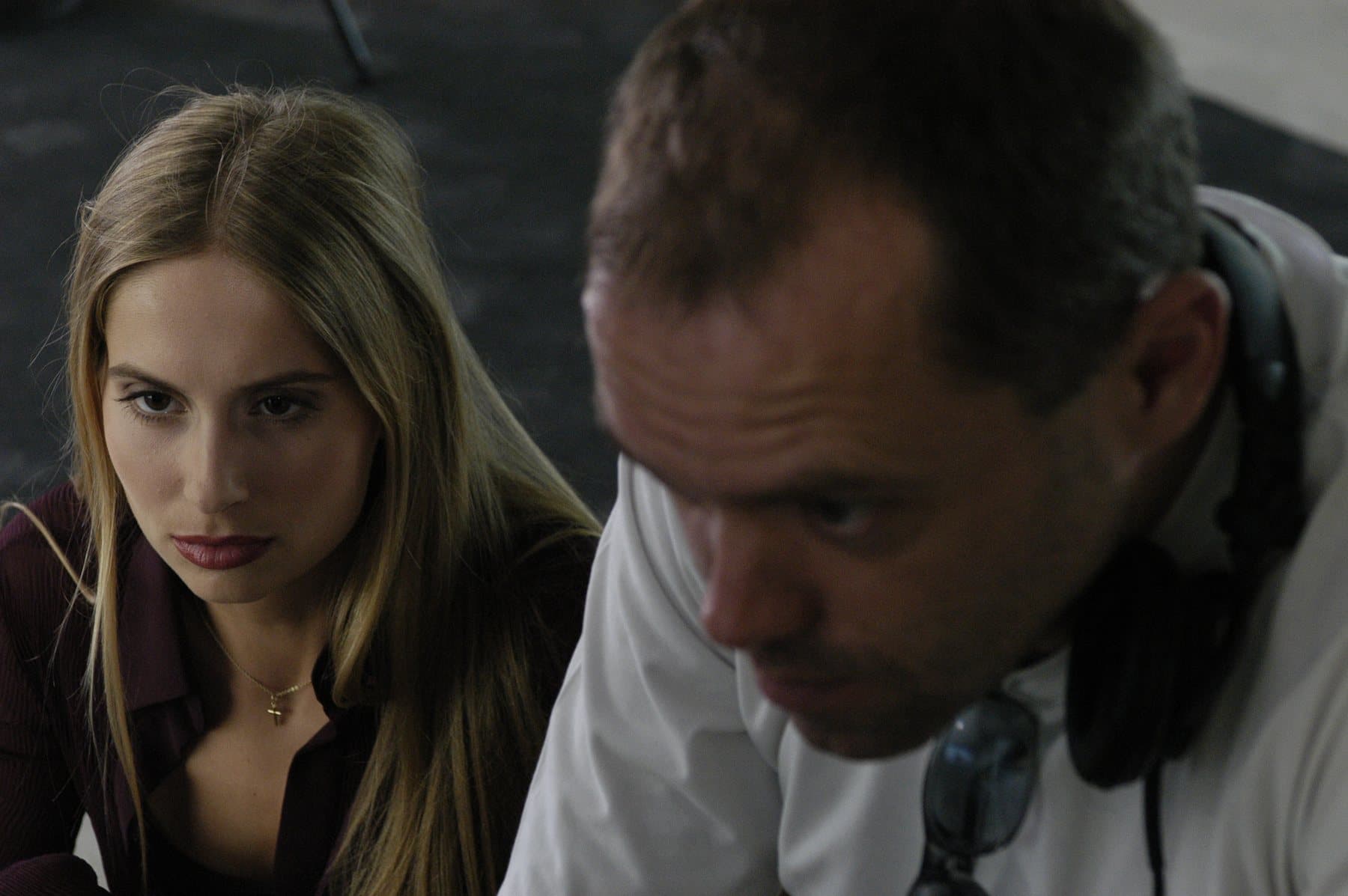
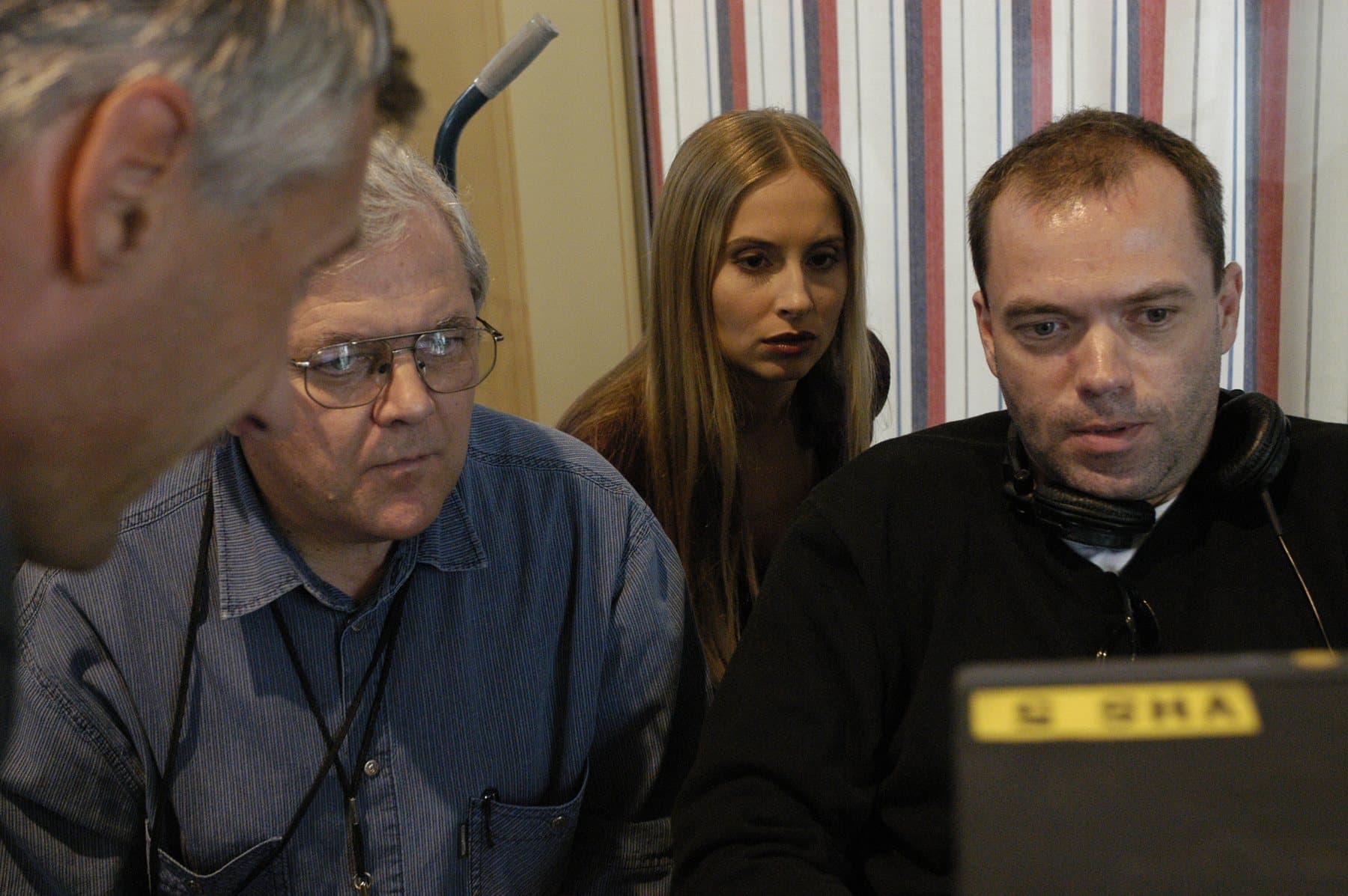
It Will Stay Between Us is the story of Dana, a young woman on the eve of her wedding, who meets the strange Tomáš under dramatic circumstances. Through him she gradually realizes that her life and her relationships are dull and unsatisfying. She discovers a new world full of freedom, chance and mystery — but also of chaos and conflicting emotions. She discovers passion.
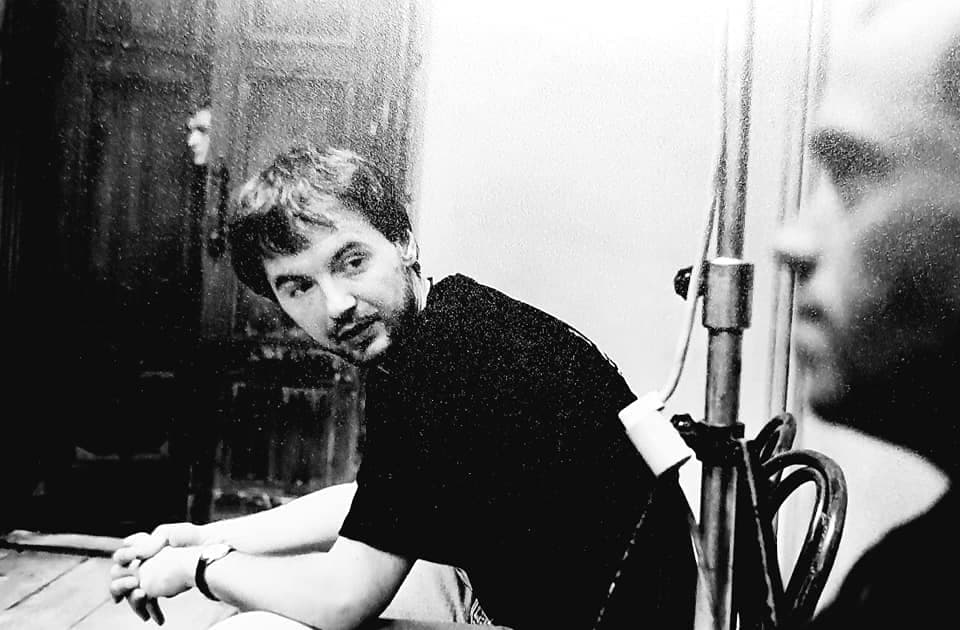
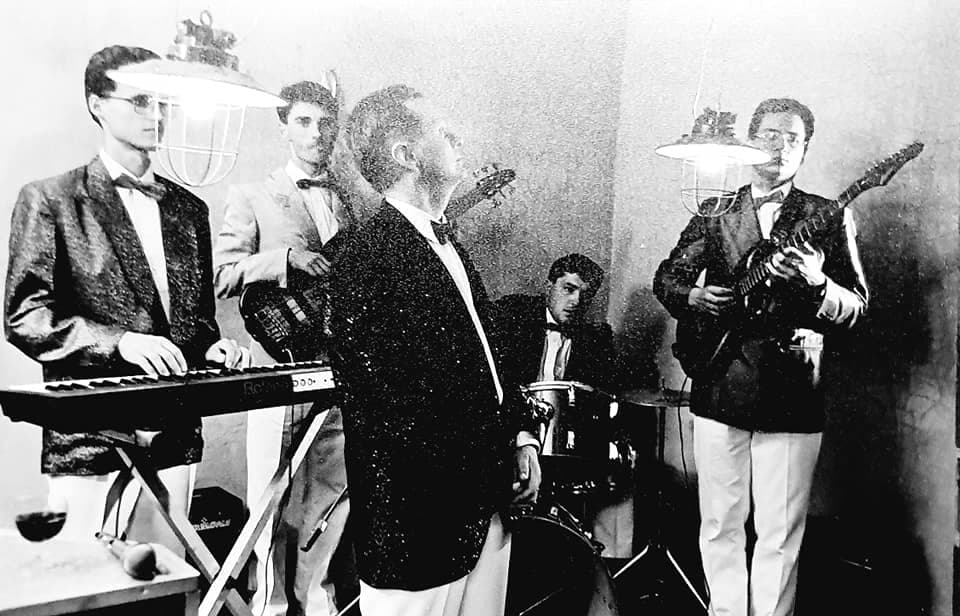
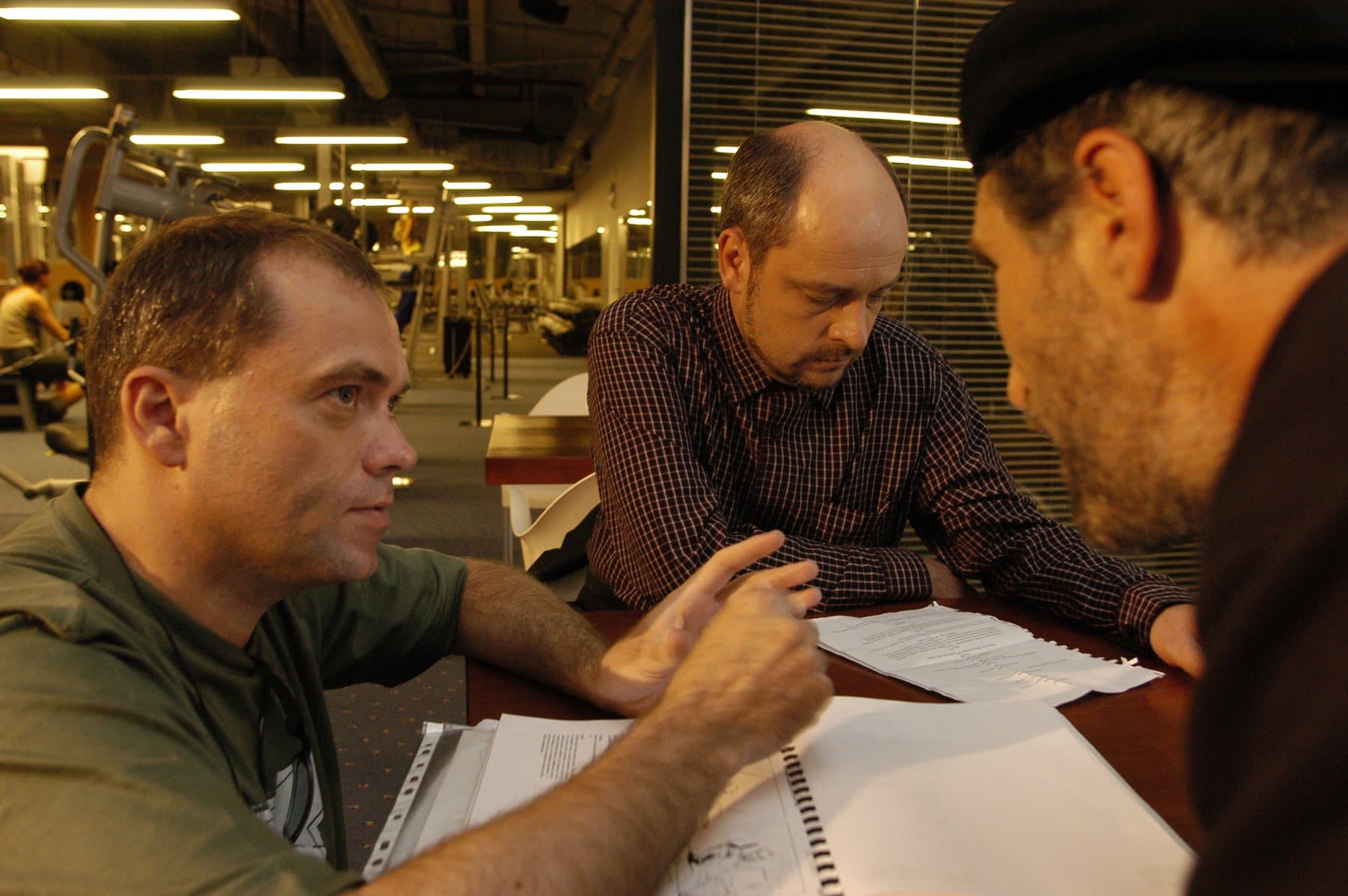
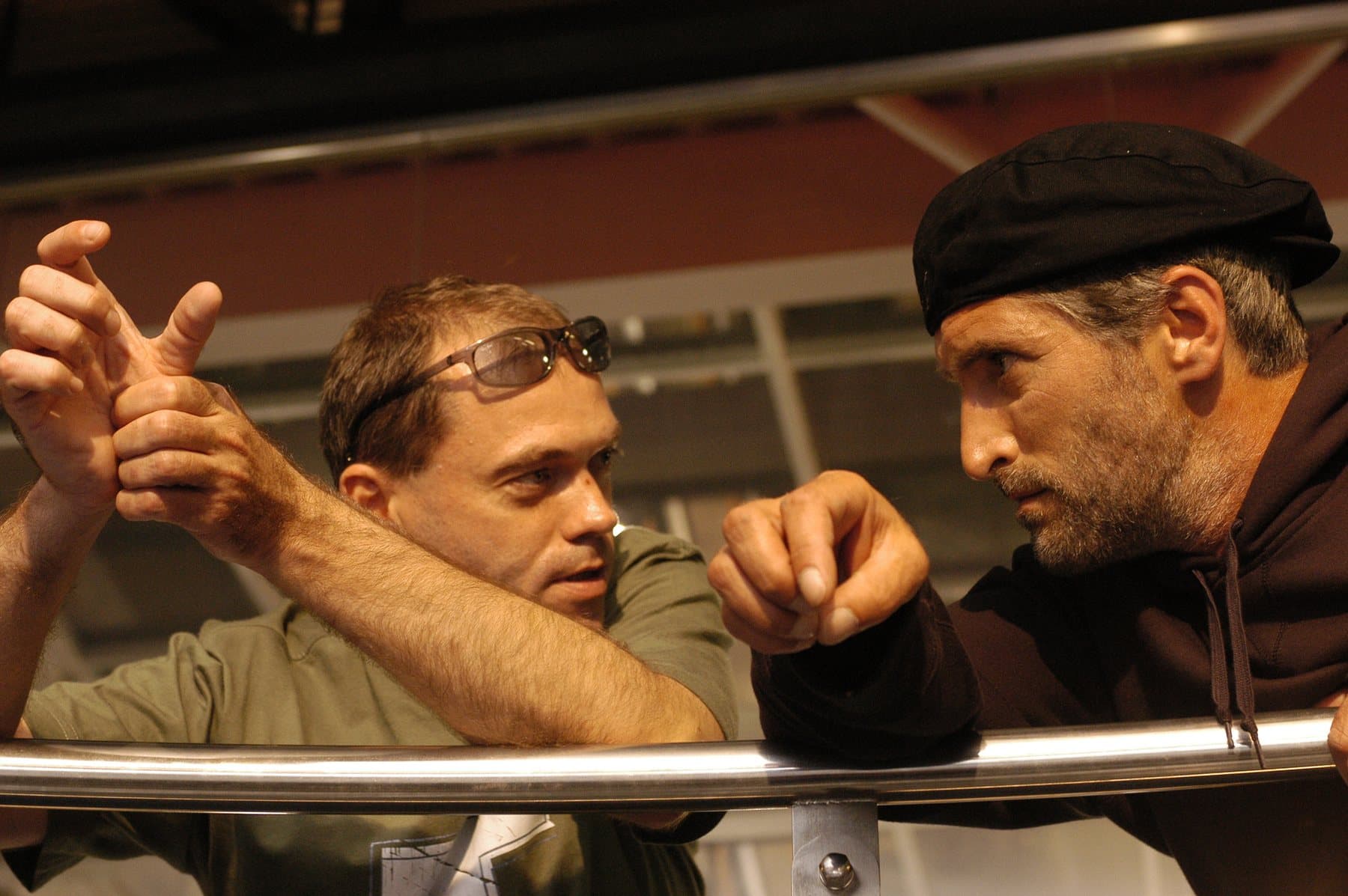
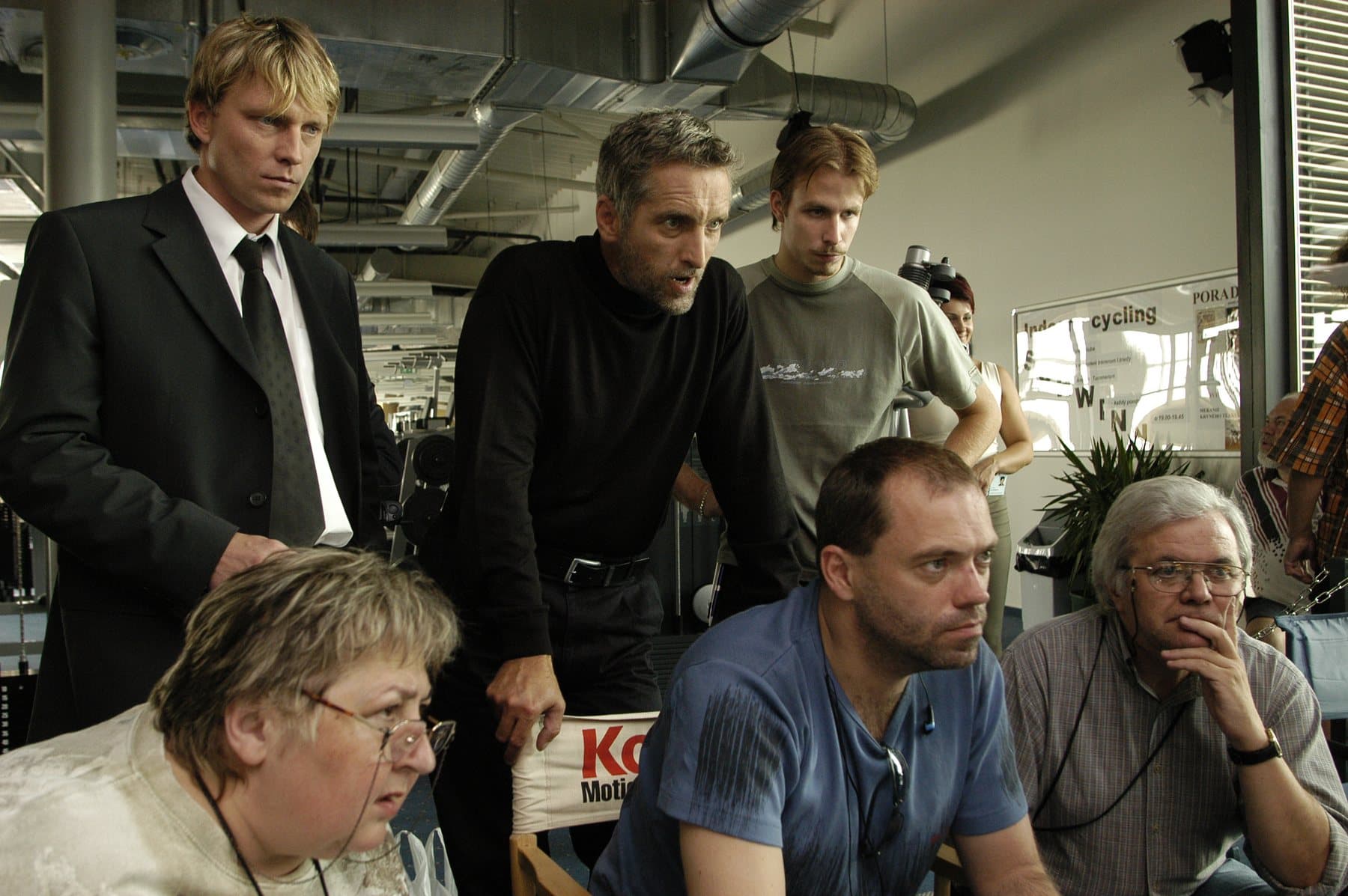
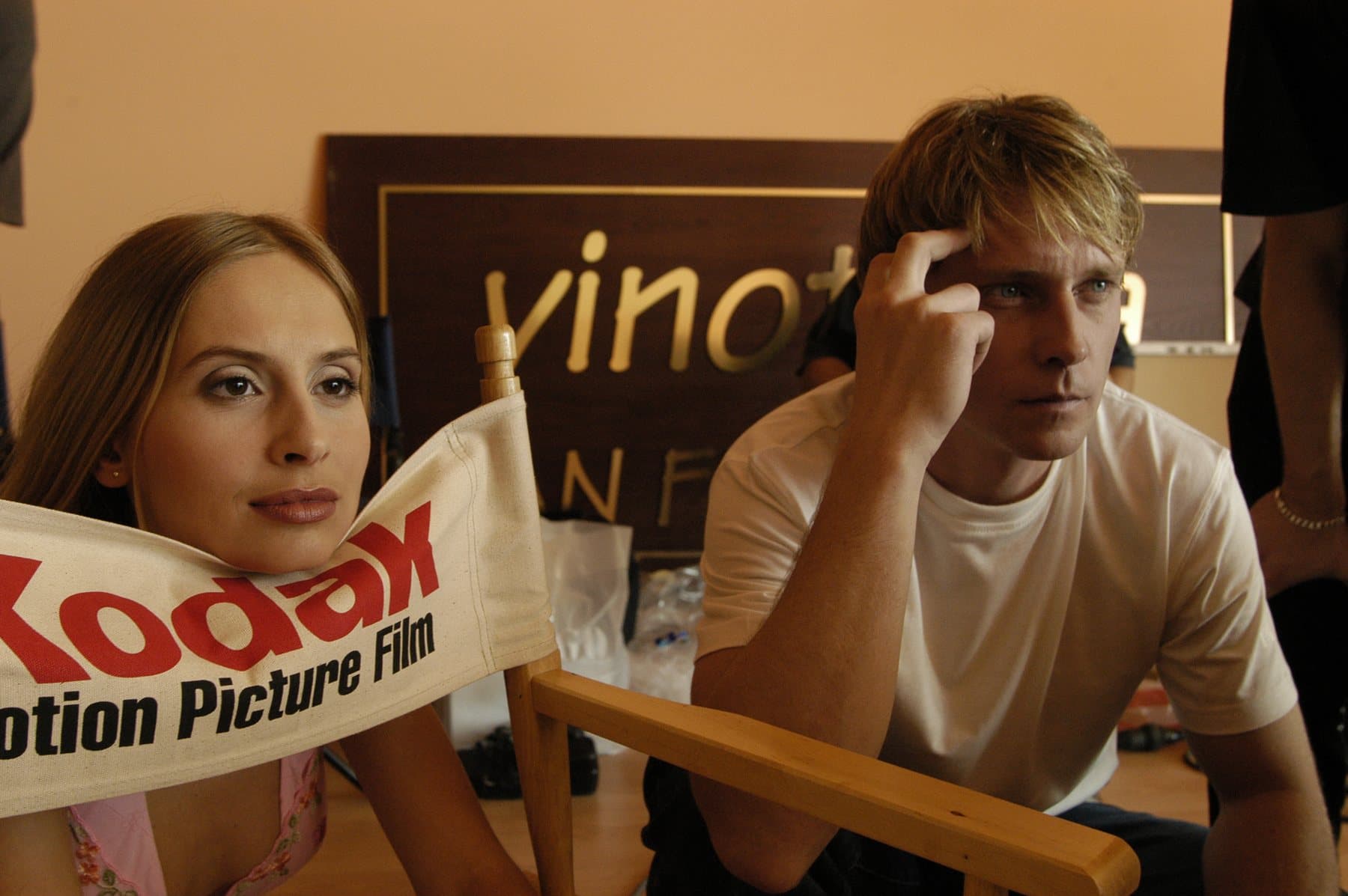
WHAT It Will Stay Between Us is the story of Dana, a young woman on the eve of her wedding, who meets the strange Tomáš under dramatic circumstances. Through him she gradually realizes that her life and her relationships are dull and unsatisfying. She discovers a new world full of freedom, chance and mystery — but also of chaos and conflicting emotions. She discovers passion. Tomáš, however, has troubles of his own — he is incapable of a full, committed relationship. Even so, Dana begins an affair with Tomáš behind the back of her fiancé Michal, and a love triangle takes shape, a merry-go-round of lies, inventions and suspicions. The situation is further tangled by a crime motif: the murder of one of the secondary characters. In the final part of the story Dana leaves Michal and attempts to build a life with Tomáš. But to no avail. Dana returns to the sad but secure relationship, full of certainty, at whose centre stands the bland, fussy Michal. Tomáš is left alone with his depressions. HOW In his second feature as well, Miro Šindelka maps the complexity of human relationships with an emphasis on his female characters. In It Will Stay Between Us the women may be complicated beings, but they are hopelessly bound by the conventions of a contemporary, largely male world. In such a world the rules of behaviour are placed above spontaneity and naturalness. Every character therefore plays some kind of game. Puts on a performance. There is little room here for sincerity. The time and space of this world are portrayed remarkably. The action unfolds mostly in a large shopping centre. Coldness and enclosure dominate, a sense that there is no escape. Cold colours and the emptied-out spaces of elegant but alienated apartments create an impression of industrial superficiality. The characters relax in enclosed sports halls and fitness centres. Nature has no place here. (Unlike the earlier A Passionate Kiss, where nature still offered a possibility of escape.) It Will Stay Between Us is a pessimistic film, a film about loneliness and enclosure. Miro Šindelka tells the story almost in passing, in hints. He concentrates on atmosphere. He often uses striking, almost advertising-like compositions, especially in the images of the protagonist. The result is a film that is attractive to audiences yet neither simple nor explicit. It is left to the viewer to read and interpret the meanings hidden in the film images offered. Essential is the focus on the film's music, one of its greatest assets. The music of Michal Kaščák and Slavomír Solovic answers the atmosphere, and in one remarkable scene Marian Varga even makes an appearance. CONTEXT In It Will Stay Between Us too, Miro Šindelka does not leave the territory of the psychological melodrama, this time combined with the motif of infidelity. The film thus joins the strong current of especially European films of the new millennium that map relationships against the backdrop of the alienated environment of contemporary urban subculture. These films are marked by a sorrow at the impossibility of authentic relationships. Without pathos they describe the inability to communicate honestly in a fast, hectic world where the most important values are success and possessions. Several films along these thematic lines can be found in contemporary Czech cinema as well. In the Slovak context, Katarína Šulajová's latest film Two Syllables Behind (2004) indirectly and faithfully continues to explore the very concerns that Šindelka examines here. Prof. Martin Ciel, PhD.
- Miro Šindelka
- Miro Šindelka, Slavena Pavlásková
- Slavena Pavlásková, Miro Šindelka
- Pavol Rankov
- Ján Ďuriš
- Slavo Solovic, Michal Kaščák
- Dušan Kojnok
- Darina Šuranová
- Ľuba Ďurkovičová
- Jiří Klenka
- Miro Šindelka (Film Factory)
- Film Factory CZ
- Barrandov Studio, Štúdio 727
- Michal Dlouhý (Michal), Tomáš Hanák (Tomáš), Danica Jurčová (Danica), Anna Šišková (Anna), Zdena Studenková (interpreter), Miro Noga (friend), Rastislav Piško (estate agent), Matej Landl (Maťo), Marek Vašut (police inspector), Radim Uzel (psychologist), Michal Gučík (friend), Zuzana Fialová (girlfriend), Szidi Tobias (girlfriend), František Kovár (priest), Božidara Turzonovová (Danica’s mother), Marian Varga (organist), Zuzana Belohorcová (call girl) and others
- 92 minutes
- 35 mm film – 1 : 1.85 – colour
- © Film Factory s.r.o. 2003
- Martin Marenčín
2003Slovenský film2003Cran-Gevrier2004Bradforde2004Finále Plzeň2004Grenzland Filmtage2004Granici / Na hranici
CAT 02 — DOCUMENTARY · 22 WORKS
A film about the regular jazz Thursdays at the Bratislava beer hall "Mamut," performed by jazz singer Peter Lipa and the T + R Band. (Part of the TV series Paths of Life, no. 8/1986.)
- Miro Šindelka
- Miro Šindelka
- Martin Štrba
- Peter Lipa a T + R Band
- 10 minutes
- 16 mm film – colour
- © Czechoslovak Television Bratislava 1986
Miro Šindelka's graduation film is an indictment of socialist society. Its subject is the excommunication of the individual, his exclusion from society.
WHAT Miro Šindelka's graduation film is an indictment of socialist society. Šindelka no longer searches for metaphor. This time he respects the authority of documentary narration. In the strict logic of documentary dramaturgy, he indicts society from the very first moments through the words of his protagonist: They branded me as useless. They told me I was a useless person. In that instant the viewer MUST stop to consider the meaning of existence. Where am I? Where do I live? Where am I going? What kind of society is this? Who has the right to say such a thing? The subject of the film is the excommunication of the individual, his exclusion from society. (Miro Šindelka returns to this theme in his next two documentaries, Trembling and Written.) Whom does this joyfully flourishing socialist society refuse to see? Anyone, of course, who is DIFFERENT. And Karol Zikan has been different since childhood — an alcoholic mother, a father he never knew. He grows up in reformatories. No one ever gave him a chance. No one ever remembered his birthday. No one wants anything to do with him. Šindelka assembles his story as his unrealized conversations — with his mother, who does not feel guilty (though Karol Zikan knows that parents ought to care for their child), with his girlfriend (later briefly his wife) Zuzana, whom he threw out and with whom he has a child, with an employer who has nothing but trouble from him, and even with little Zuzanka — his daughter, whom he does not look after. Zikan is an addict, a repeat offender, an outcast. No one has a good word to say about him. Existential despair. What is there to live for? Society is full of lies. Tell the truth — it goes badly; lie — it goes badly again. Zikan values neither his own life, nor anyone around him, nor even himself. After all, they branded him as useless. He goes back to prison, having stolen a pair of jeans. The karmic circle is closed, turning round and round forever. The film's last line rings out like an exclamation mark: I don't know what will become of my child. HOW Miro Šindelka builds the story as dialogues in which no one listens to anyone. The minimalist fine-print of these inner worlds is knotted. It cannot be untied. There is no escape. Society is deaf and blind. It has marked Zikan with an unmistakable stamp. Among us "decent people" he has no place. The railway station (where Karol worked unloading luggage) is an image of paths that cross, diverge and meet. Anonymous people. Anonymous faces. Anonymous fates. Karol Zikan sits on a train heading into a tunnel. CONTEXT And So I Started Running is one of the key foundational titles of Slovak documentary filmmaking at the end of the socialist era. It is a deep social and psychological analysis of a society that pushed a young delinquent and addict to its margins. The young man is left with no chance of a new beginning. It is a critical look at a society convulsed in a definitive ethical collapse. Prof. Ingrid Mayerová, ArtD.
- Miro Šindelka
- Miro Šindelka
- Jozef Krivošík
- Dušan Milko
- Štefan Šváňa
- Kveto Hečko
- 13 minutes
- 35 mm film – black and white
- © Slovenská filmová tvorba - Štúdio krátkych filmov Bratislava - Koliba 1988
1988Berlín1989Tampere1989Boleslav1989Krakow1989Oran1989Tours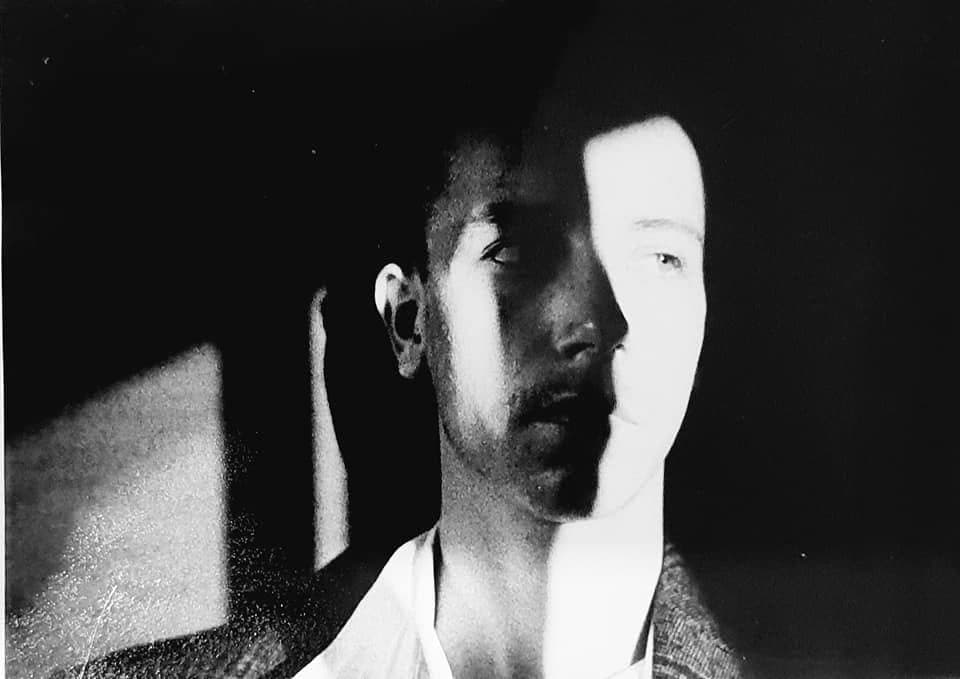
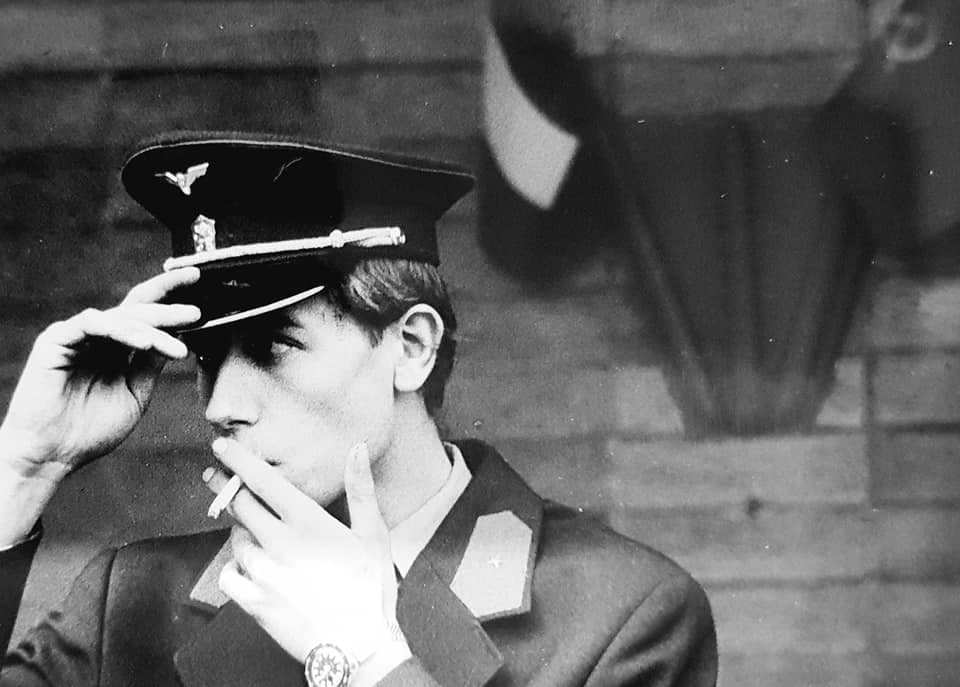
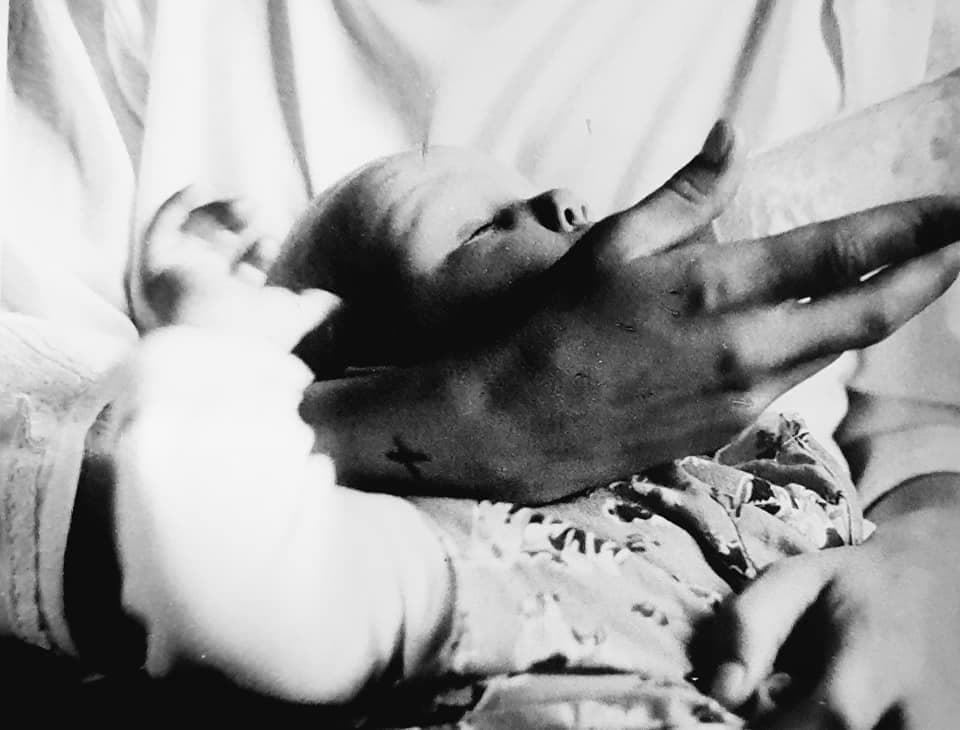
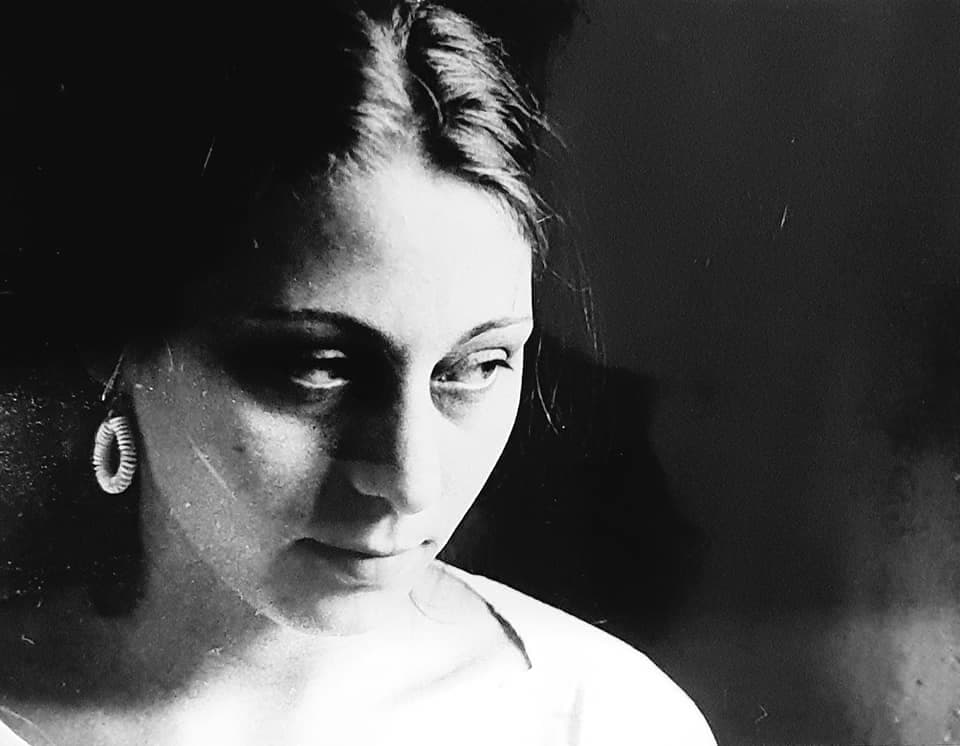
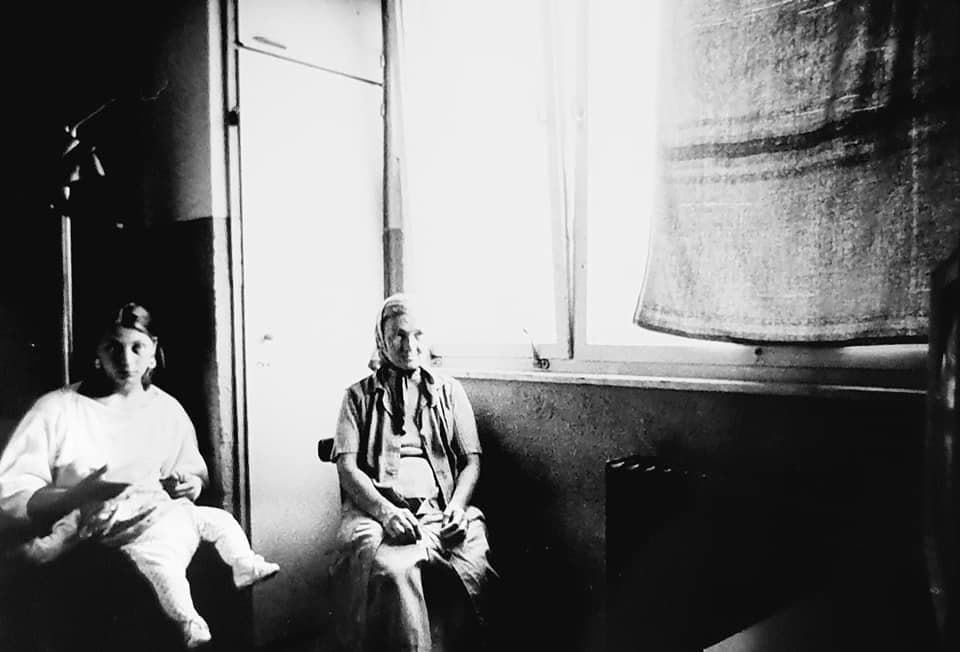
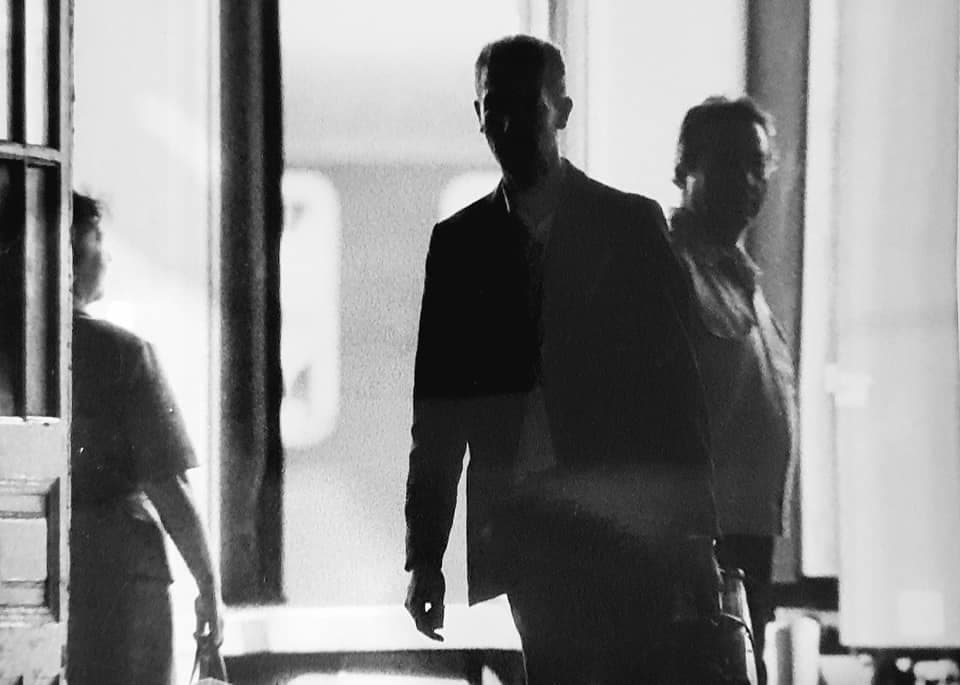
The subject of the documentary Trembling is the existential fear of the individual. Trembling is an indictment of socialist society — a society for which the human being means nothing.
WHAT The subject of the documentary Trembling is the existential fear of the individual. Augustín Dobrodenka was first the chief inspector of the state Restaurants enterprise. Everyone feared him; his power was almost unlimited. Behind his back they called him Pinochet. He and the general director, Beleš, were as thick as thieves. They covered for one another, handed out bonuses and honours to each other, organized drinking parties with the district party officials. Everyone knew something on everyone else, and so they were friends. But Dobrodenka began to report the embezzlement in the enterprise to the authorities. And that was the end of the friendship. Beleš slowly began to turn his life into hell — everyone shunned him, his colleagues were forbidden to meet him, he had to file reports on everything he did. The psychological violence against him escalated beyond the bounds of the bearable. Dobrodenka feared for his own existence, for his family. The humiliation of one man by another swelled into a hyena-like inhumanity of monstrous proportions. As long as you belong to the group and keep to its rules, nothing will happen to you. Dobrodenka broke the rules. The community expelled him. The rules of the "pack" are unchanging, after all. There is no way back. Like Zikan in the film And So I Started Running, Dobrodenka too is left alone. No one carries on a dialogue with him any longer. He asks himself paranoid questions, but no answers come. Dobrodenka applied for permission to emigrate from Czechoslovakia. His request was of course refused. The pack sticks together. HOW The investigative principle of narration brings a new formal principle into the documentary film. Šindelka searches for the facts and arranges them in logical sequence. He lets the protagonist tell his whole story. Yet the "talking head" does not remain merely at the level of primary narration. In macro-close-ups of the face the camera finds the hero's inner world, his emotion, and analyzes his psychological state. Windows, as a directorial motif, become a metaphor for the prying, the lurking and the surveillance so characteristic of the end of the 1980s in our society. Everyone wants to know everything about everyone else, everyone has something on everyone... CONTEXT Trembling is an indictment of socialist society. Not only because it feeds on hyena-like predation, betrayal and informing. But above all because for it the human being means nothing. Individuality must be crushed, personal opinion smothered in the bud. The human individual can be destroyed with impunity. Prof. Ingrid Mayerová, ArtD.
- Miro Šindelka
- Miro Šindelka, Ladislav Milko
- Jozef Krivošík
- Roman Varga
- Štefan Šváňa
- Ingrid Mayerová
- 20 minutes
- 35 mm film – black and white
- © Slovenská filmová tvorba - Štúdio krátkych filmov Bratislava – Koliba 1989
1990Films Trespassing1991Bratislava1991Grenzland Filmtage1992Karlove Vary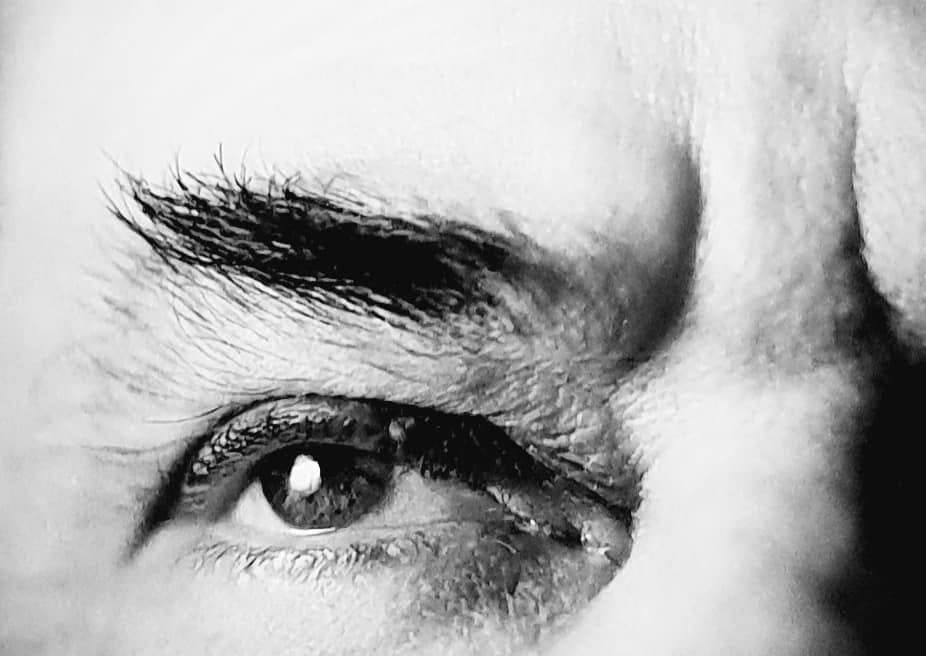
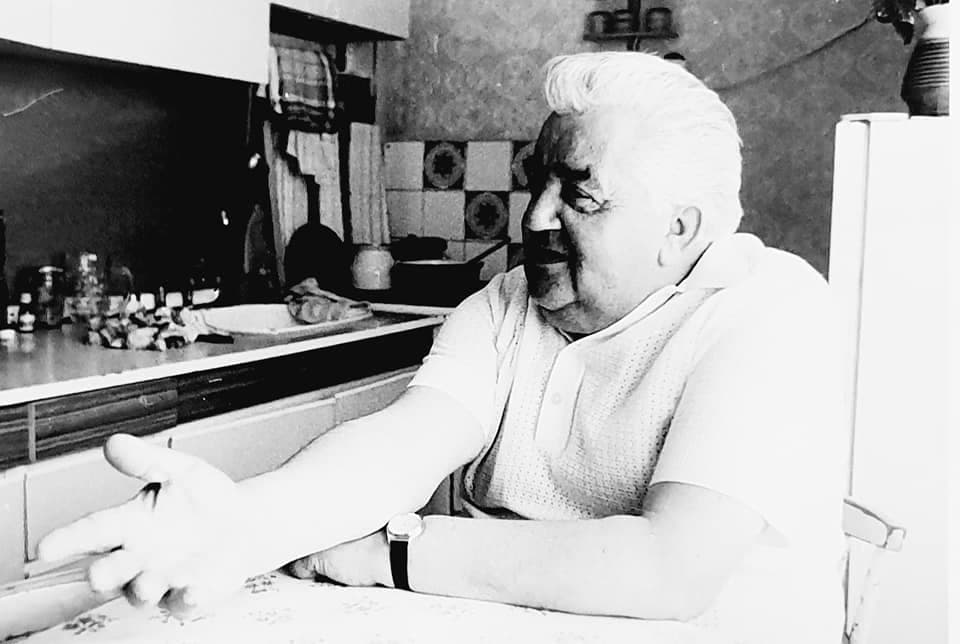
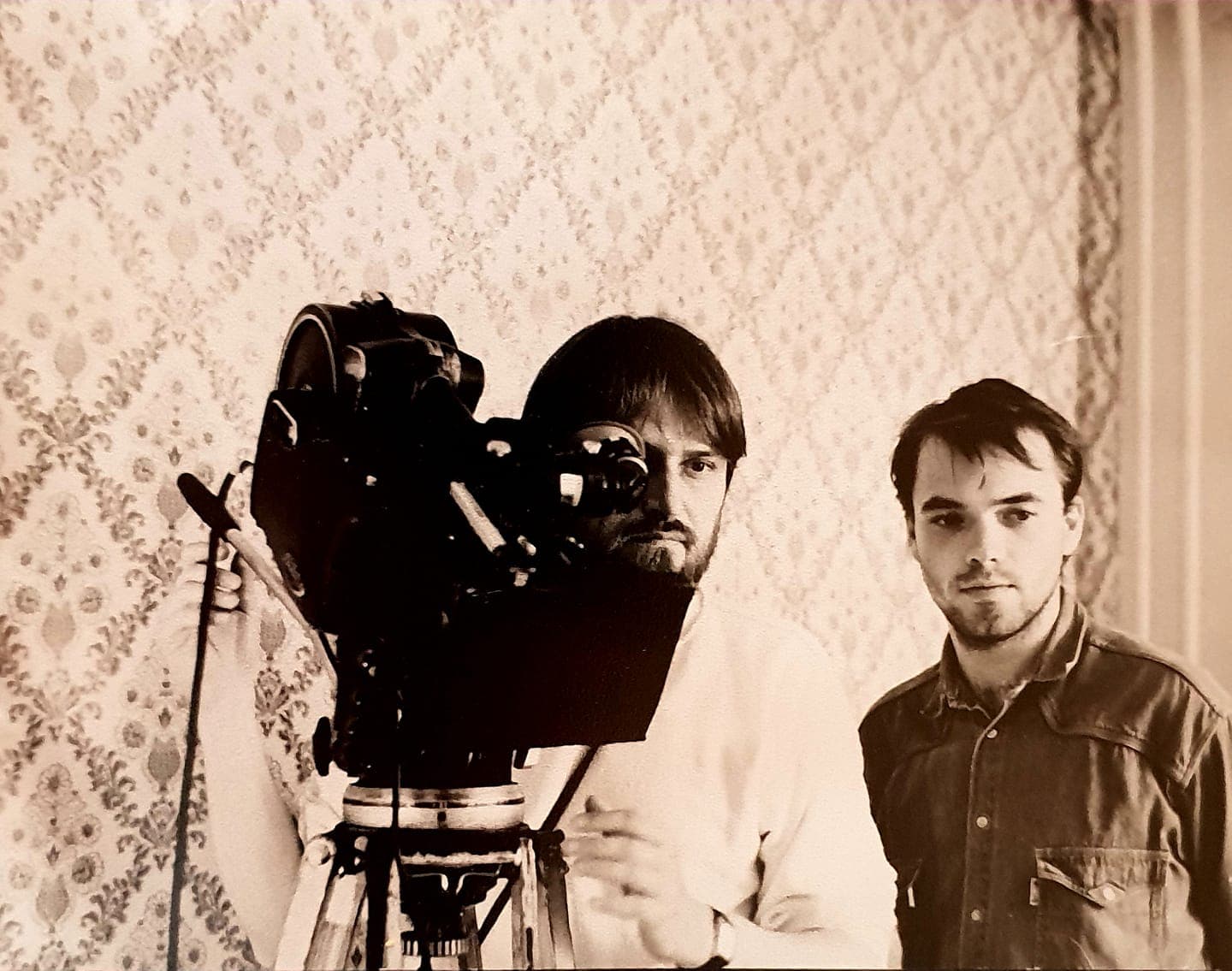
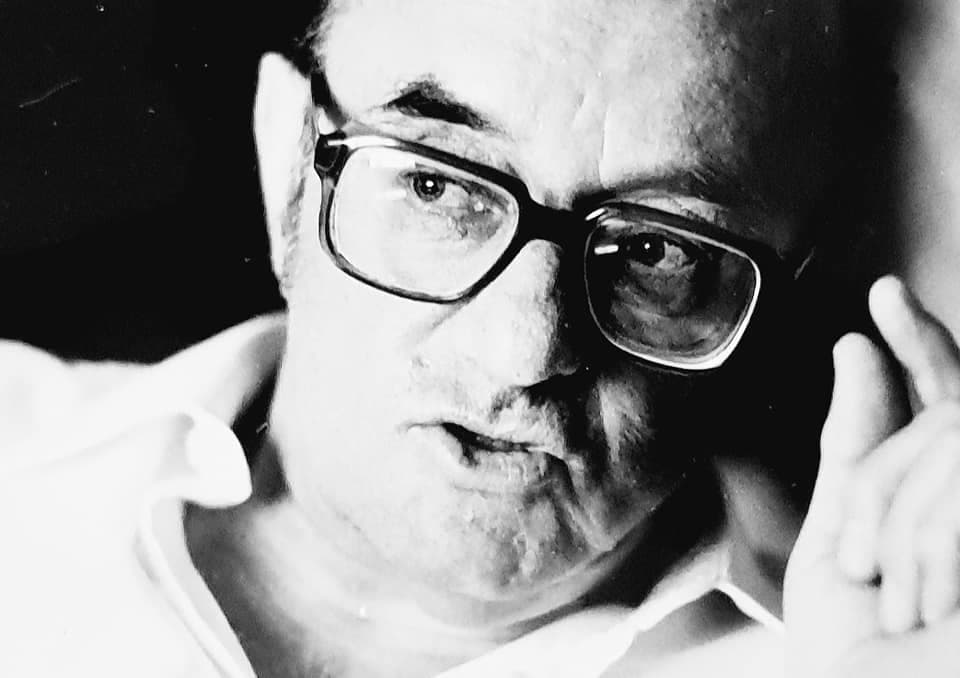
In Written, Miro Šindelka consistently continues his minimalist mapping of the inner worlds of those protagonists whom society refuses to see.
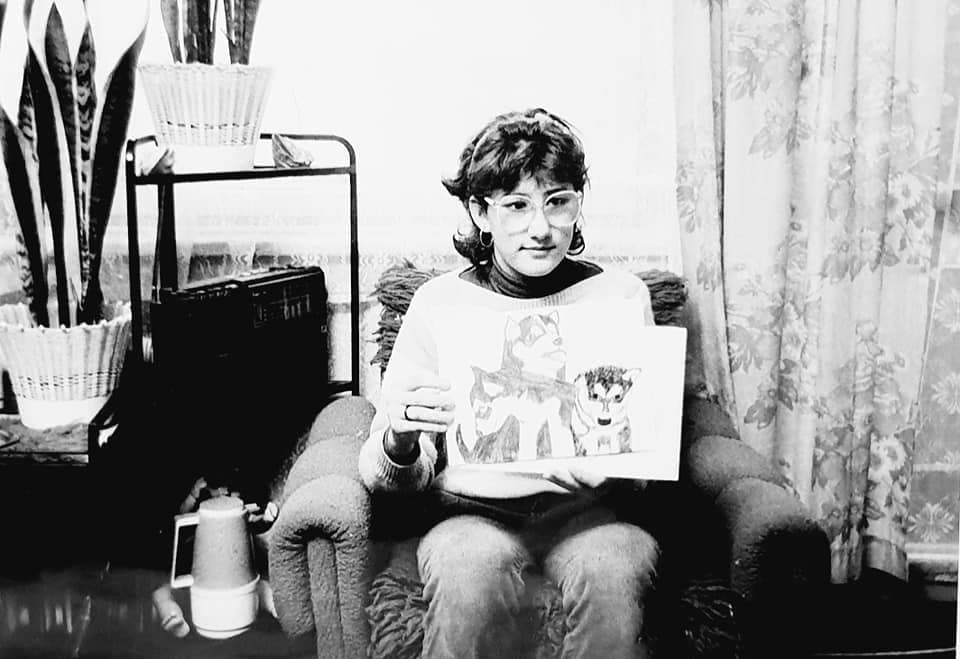
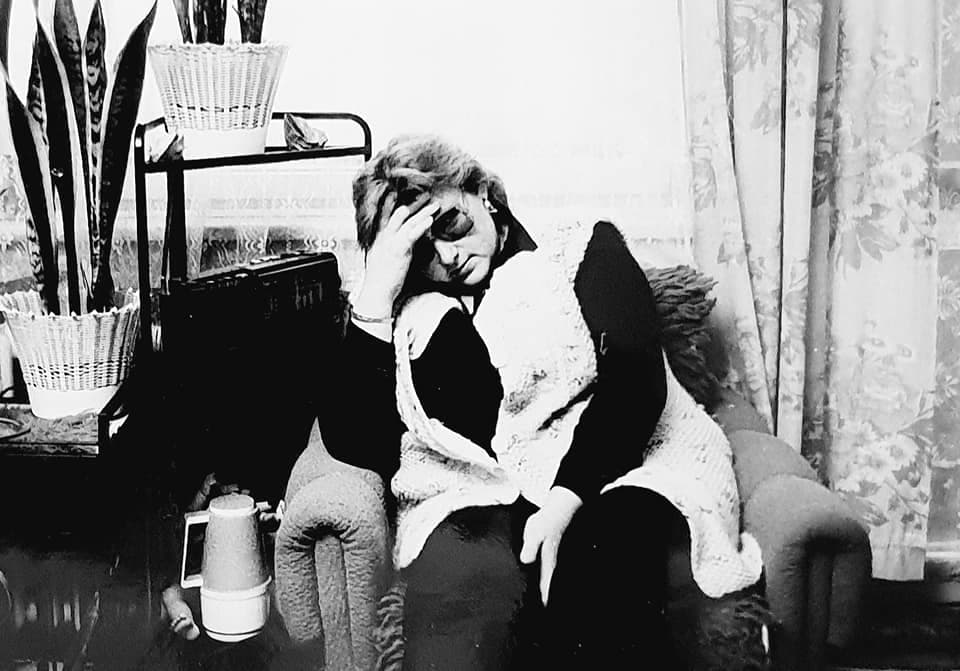
WHAT In Written, Miro Šindelka consistently continues his minimalist mapping of the inner worlds of those protagonists whom society refuses to see. The subject is almost archetypal: somewhere in a housing estate, in a prefab block, a divorced and lonely woman lives with her two children. She works shifts in a hospital geriatric ward, and so her children are often left home alone, even overnight. The teenage daughter suffered a traumatizing shock in the past — she was assaulted under an archway, and ever since she has lived with an uncontrollable fear. I'm afraid of adults. They are wicked, unkind. Her little brother does not understand her fear; the exhausted mother pays it too little attention. We're not doing well, the girl says. Her fear of solitude and abandonment grows into a grave existential dread; she is afraid of the very essence of being. Quite by chance the mother finds a farewell letter on her daughter's desk — the girl is seriously contemplating suicide. She is saying goodbye to her mother. She writes that if they sell her things, life will be easier for them. Everything will be resolved, her fear too. The girl does not wish to make a display of her needs in a fit of emotion. Quite rationally she sees suicide as the only way out of a dire situation. HOW The basis of the film's narration is the simple, sincere monologue of the mother — a woman utterly broken. Day after day she meets death at her workplace, among the elderly patients. And yet one cannot get used to death. Her encounter with her daughter's farewell letter takes her completely by surprise. And we are taken by surprise along with her. The girl did not, in the end, take her own life, but she thought about it rationally and pragmatically. Such a simple confession has immense value in a documentary film. To see a farewell letter written in a child's hand forces everyone to stop, to reflect. The girl shows her drawings; the little boy politely greets the camera. Where are we, all of us? Where is society? What has become of us? How can we allow children to contemplate death? Šindelka shows the geriatric ward and the maternity ward. The old departs. New children keep coming into this world. CONTEXT In Written, the director Miro Šindelka searches for the existential essence of human being. The hero of And So I Started Running was branded useless; the hero of Trembling was degraded below human dignity; in Written a callous indifference brings a child to the very brink of death. And this is neither prison nor emigration. This is the definitive end of everything. This is apocalypse. Where is our hope? What will become of our children? Prof. Ingrid Mayerová, ArtD.
- Miro Šindelka
- Miro Šindelka
- Zoltán Weigl
- Roman Varga
- Štefan Šváňa
1991Media1992Valencia1992Karlove Vary
A generous visual poem about the smallest high mountains in the world. Šindelka masterfully weaves aerial vistas and scenes of nature into ever new rhythmic variations.
The documentary about the nature of the Tatras is a generous visual poem about the smallest high mountains in the world. Šindelka masterfully weaves aerial vistas and scenes of nature into ever new rhythmic variations. Dawn and sunset, night and rain, rocks and mountain lakes, the life of animals, forests and blades of flowers, insects, waterfalls, clouds. The poetry of the image plays uniquely with colour. It draws fully on everything the nature of the Tatras offers in its variations of light and shadow. The commentary is pared down to the barest essential information. It cedes the dominant role to the visual narration. The film honours the musical motifs of Andrej Šeban, tying the image consistently to their playful tempo. Prof. Ingrid Mayerová, ArtD.
- Miro Šindelka
- Martin Novacký
- Miro Šindelka
- Ján Ďuriš
- Vladimír Biskupič, Zoltán Weigl, Mikuláš Ricotti, Pavol Marko
- Andrej Šeban
- Roman Varga, Dalimír Líška
- Csaba Török, Juraj Filo
- 45 minutes
- 35 mm/BTC – colour
- DELTA 3k s.r.o – STV Bratislava – ORF
1994Poprad1995TrentoMontrealThrough the life story of Wayne McLaren, alias the Marlboro Man — familiar from the Marlboro cigarette commercials — the film shows the gradual advance of advertising into Slovakia after 1989, advertising which, as everywhere in the world, awakens in people a longing for the "material." (Part of the TV series Visions.)
- Miro Šindelka
- Miro Šindelka
- Zoltán Weigl
- Eva Horová
- Štefan Šváňa
- 20 minutes
- 16 mm film – colour
- © STV Bratislava 1994
A profile of the eminent Slovak film director Martin Hollý. (Part of the series Profiles.)
- Miro Šindelka
- Dana Hermannová
- Stanislav Szomolányi
- Vladimír Krajňák, Roman Varga
- Juraj Oravec
- 30 minutes
- BTC
- © STV Bratislava 1994
A film about the artists’ collective Trojštít — whose members are Ivan Csudai, Martin Knut and Laco Teren — made on the occasion of their joint exhibition. (Part of the TV series Áno-ume-nie.)
- Miro Šindelka
- colour, video
A film about the writer, visual artist and filmmaker Albert Marenčín, who contributed significantly to the shaping of modern art in Slovakia. (Part of the series Profiles.)
- Miro Šindelka
- Juraj Hora
- Miro Šindelka, Vlado Balko
- Stanislav Szomolányi
- Roman Varga, Alexander Vlčko
- Ivan Rek
- 20 minutes
- BTC – colour
- © STV Bratislava 1995
The documentary Spiš is a poetic, sensitive invitation into one of the most beautiful corners of Slovakia.
The documentary Spiš is a poetic, sensitive invitation into one of the most beautiful corners of Slovakia. Alongside its characteristic places and towns, the film presents the most important historical and sacred landmarks and the ancient artefacts of this region. The poetry of the image, in a virtuoso interplay with music, creates a playful cinematic mosaic. As author and director, Šindelka enters this game with staged shadow plays. These are second-plane visual signs referring to the characteristic scenes of the individual settings. Such visual enrichment lends the film a new creative dimension. Prof. Ingrid Mayerová, ArtD.
- Miro Šindelka
- PhDr. Ivan Chalupecký
- Miro Šindelka
- Ján Ďuriš
- Ján Kuric
- Roman Varga
- Marián Pemčák
- 10 minutes
- BTC – colour
- © Aton multimedia s.r.o. 1996
1998Tourfilm SlovakiaA profile of the first Miss Czechoslovakia, Ivana Christová. (Part of the TV series DOZEN ’97.)
- Miro Šindelka
- Ján Ďuriš
- Dalimír Líška
- Vladimír Illiť
- Miro Šindelka (Film Factory)
- TV Markíza
- 13 minutes
- BTC – colour
- © Film Factory s.r.o. 1998
A profile of Ján Kasper, owner and director of a large advertising agency. (Part of the TV series DOZEN ’97.)
- Miro Šindelka
- Ján Ďuriš
- Rudolf Mihálik
- Štefan Šváňa
- Miro Šindelka (Film Factory)
- TV Markíza
- 13 minutes
- BTC – colour
- © Film Factory s.r.o. 1998
A profile of Jaroslav Nemčík, a businessman working in leasing and finance. (Part of the TV series DOZEN ’97.)
- Miro Šindelka
- Ján Ďuriš, Norbert Hudec
- Rudolf Mihálik
- Štefan Šváňa
- Miro Šindelka (Film Factory)
- TV Markíza
- 13 minutes
- BTC – colour
- © Film Factory s.r.o. 1998
A profile of the internationally successful Slovak swimmer Martina Moravcová. (Part of the TV series DOZEN ’98.)
- Miro Šindelka
- Vladimír Biskupič, Vladimír Ďurčanský
- Matej Beneš
- Marek Zemanovič
- Miro Šindelka (Film Factory)
- TV Markíza
- 13 minutes
- BTC – colour
- © Film Factory s.r.o. 1999
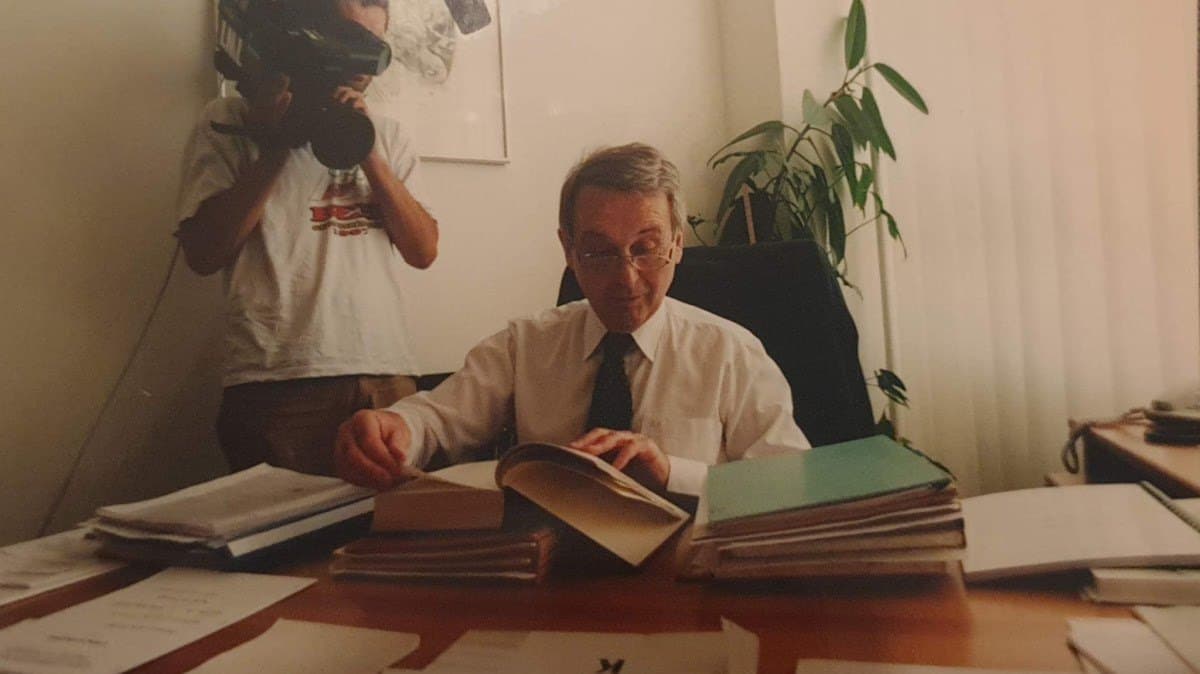
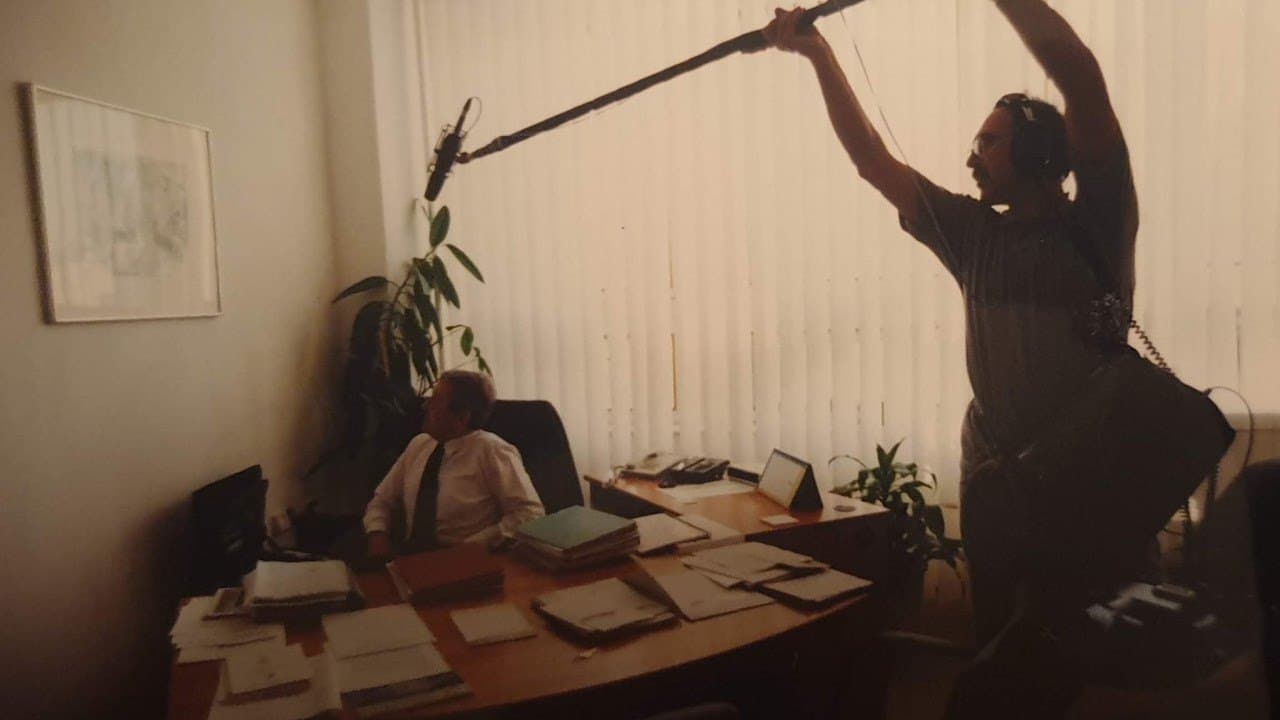
A profile of Juraj Stern, professor and former rector of the University of Economics in Bratislava, active in the European structures that champion the idea of a united Europe. (Part of the TV series DOZEN ’99.)
- Miro Šindelka
- Martin Kollár
- Matej Beneš
- Štefan Šváňa
- Miro Šindelka (Film Factory)
- TV Markíza
- 13 minutes
- BTC – colour
- © Film Factory s.r.o. 2000
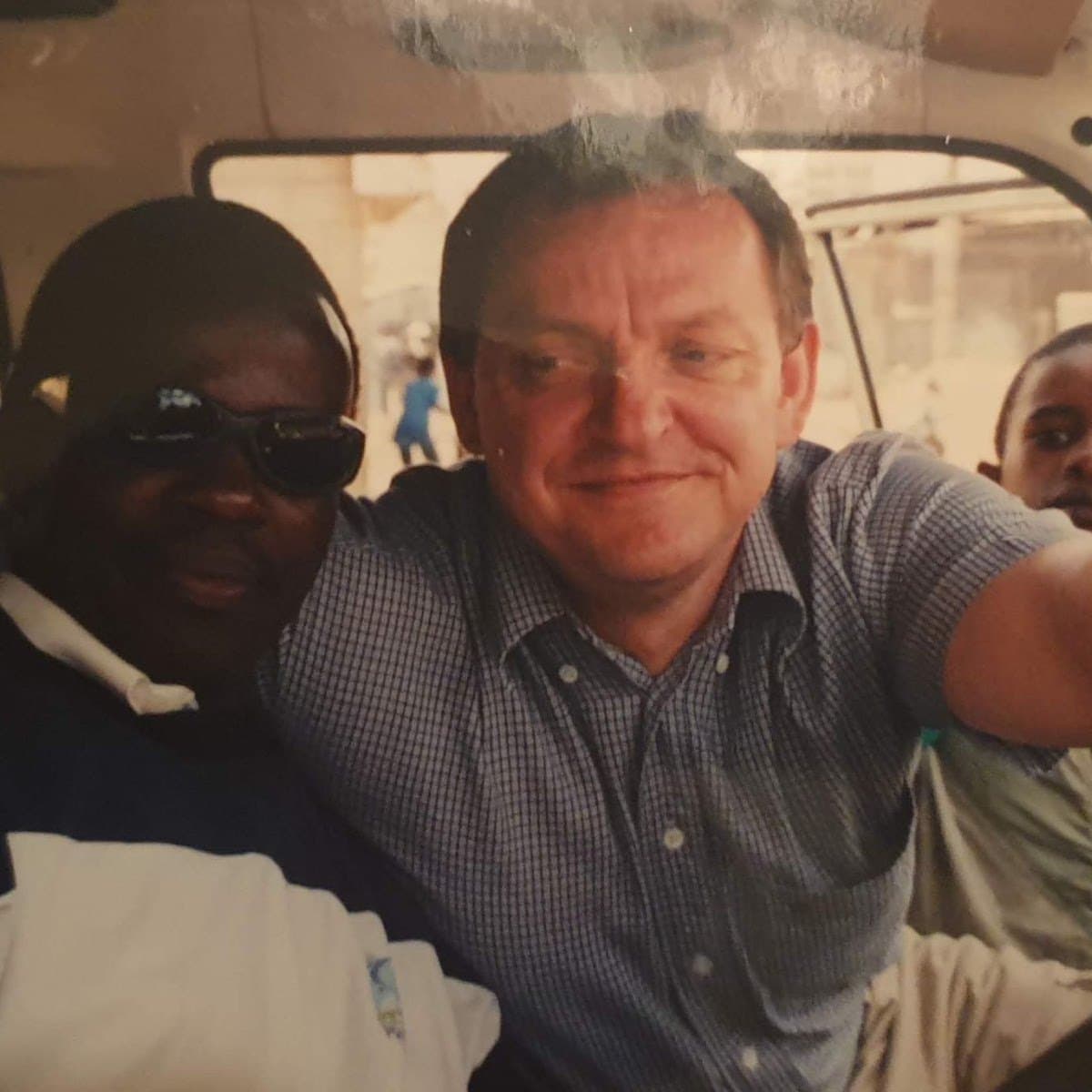
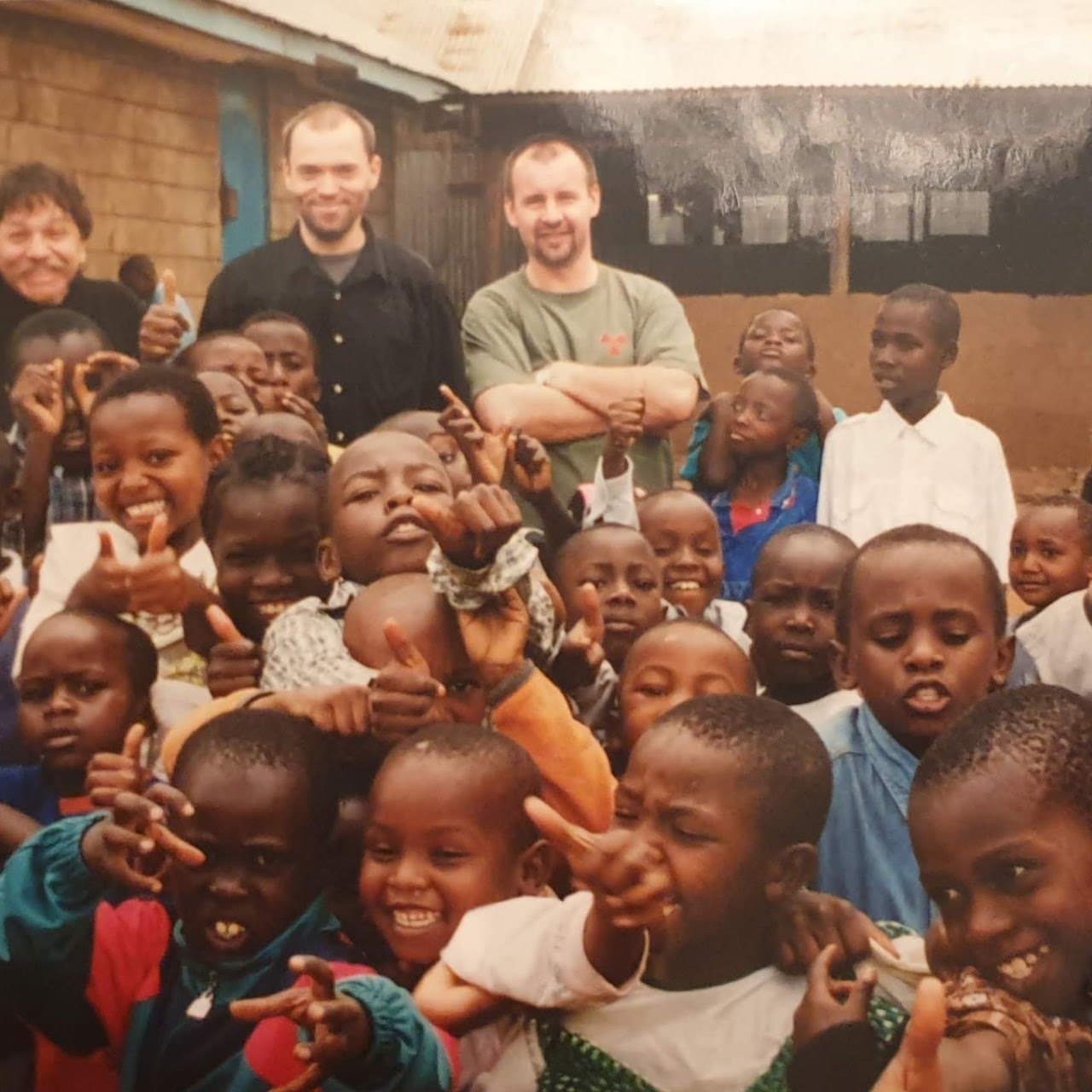
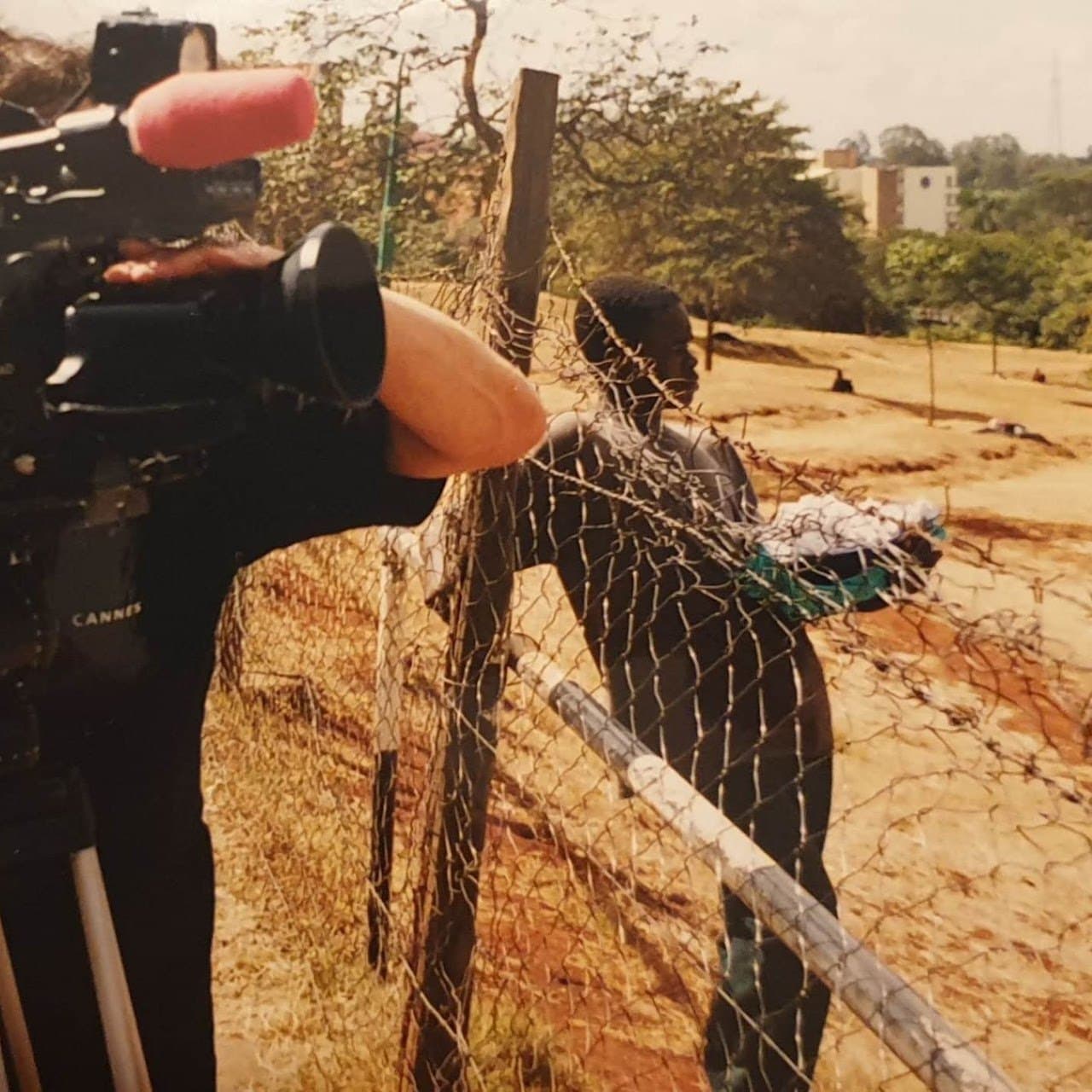
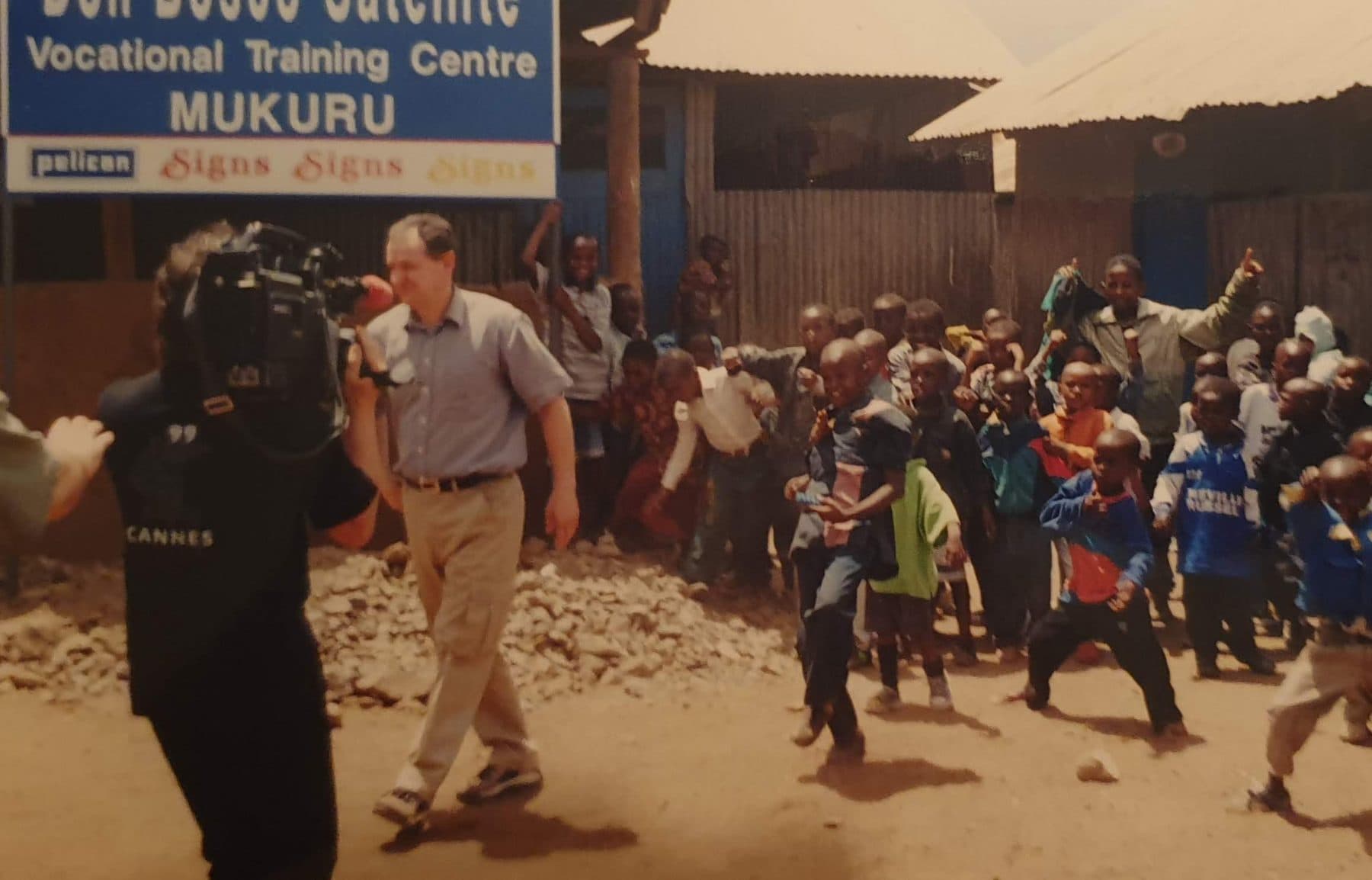
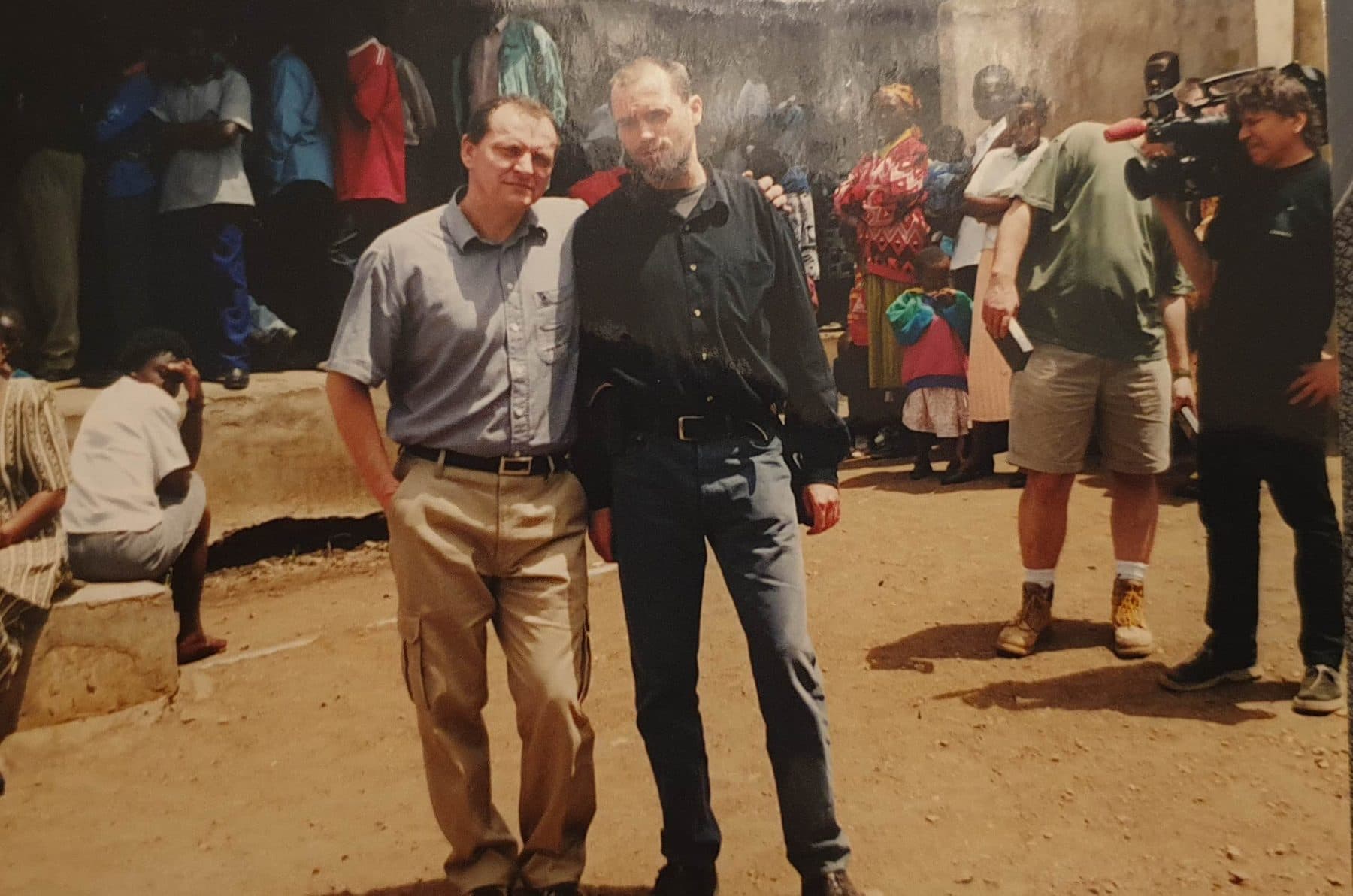
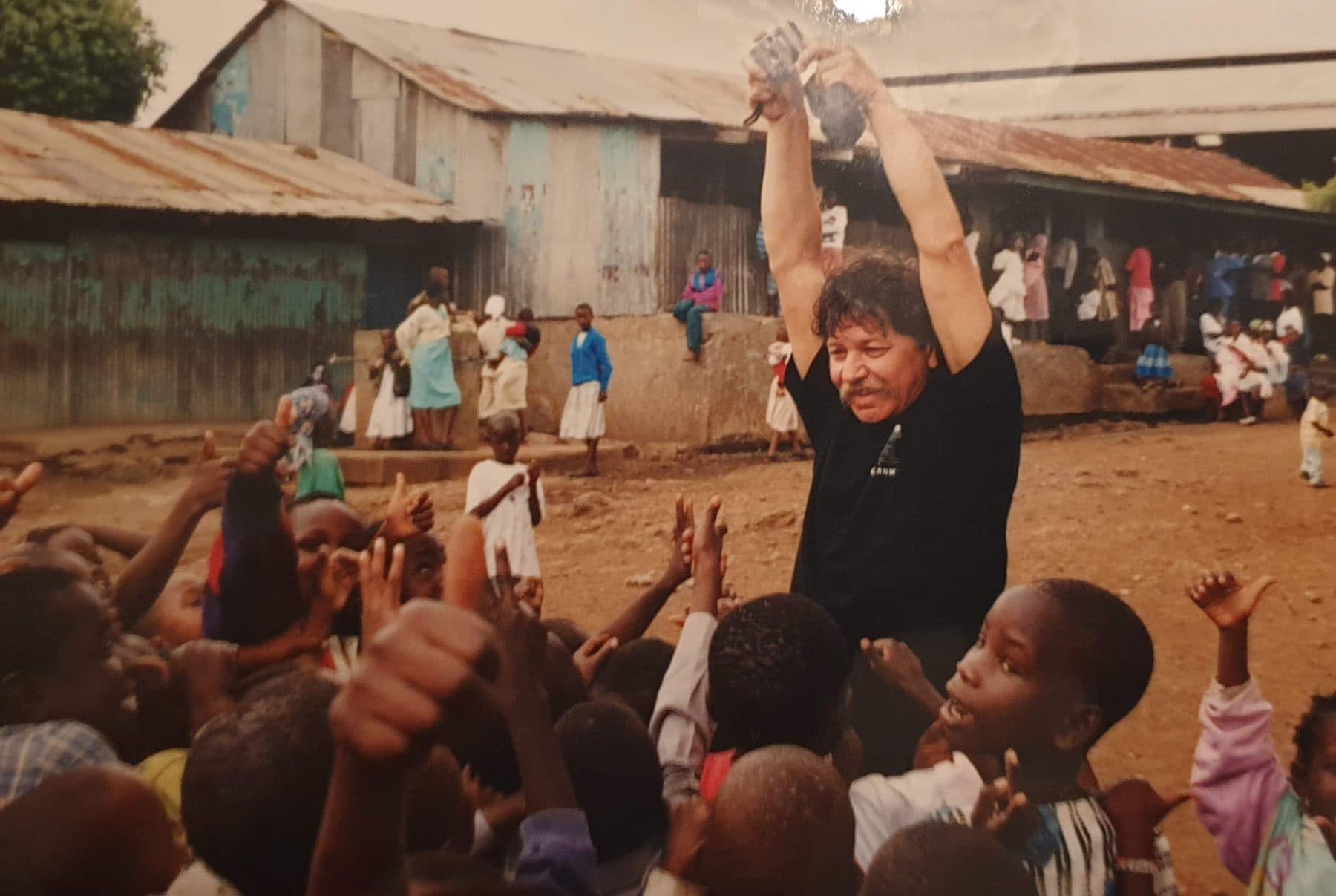
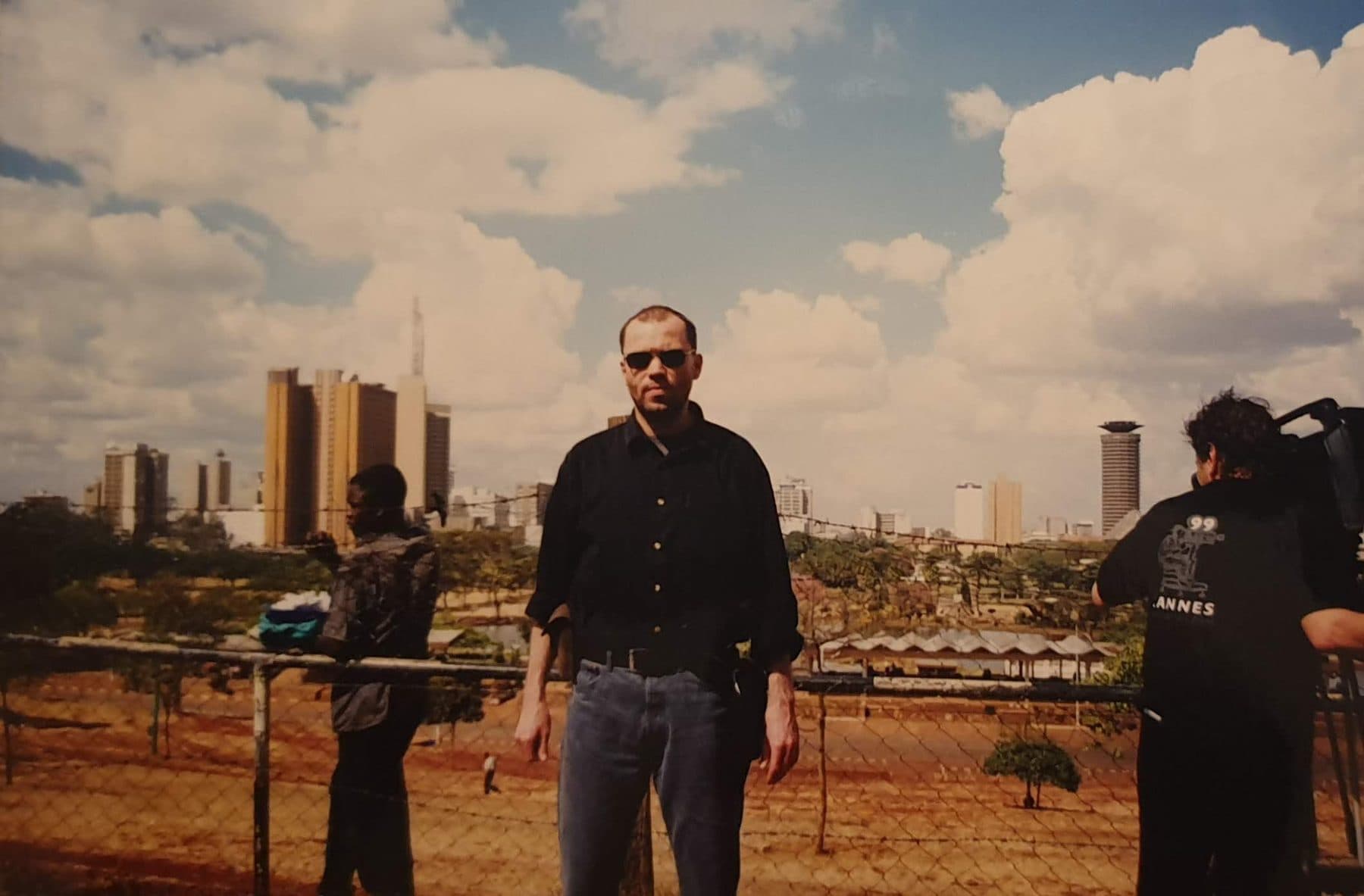
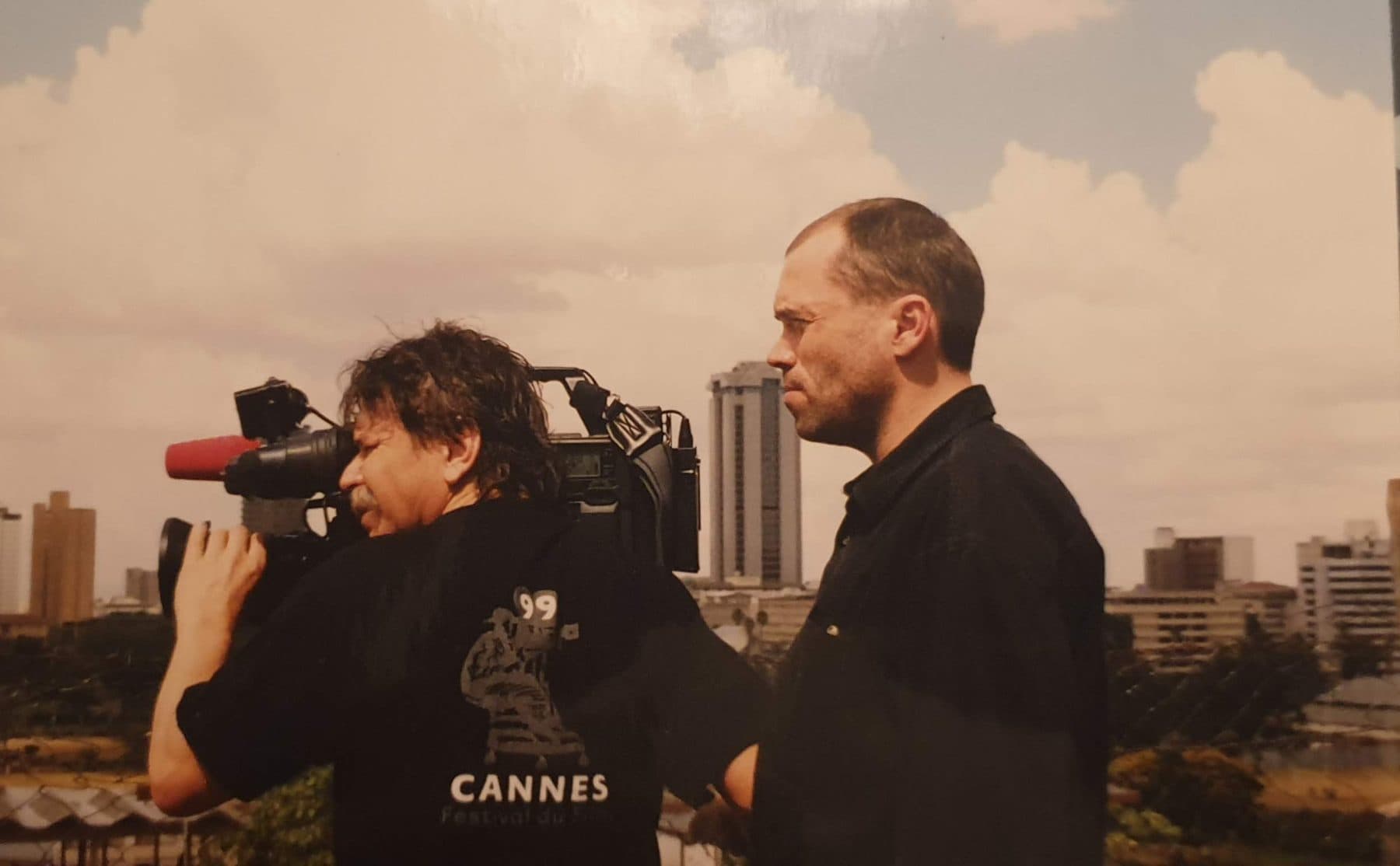
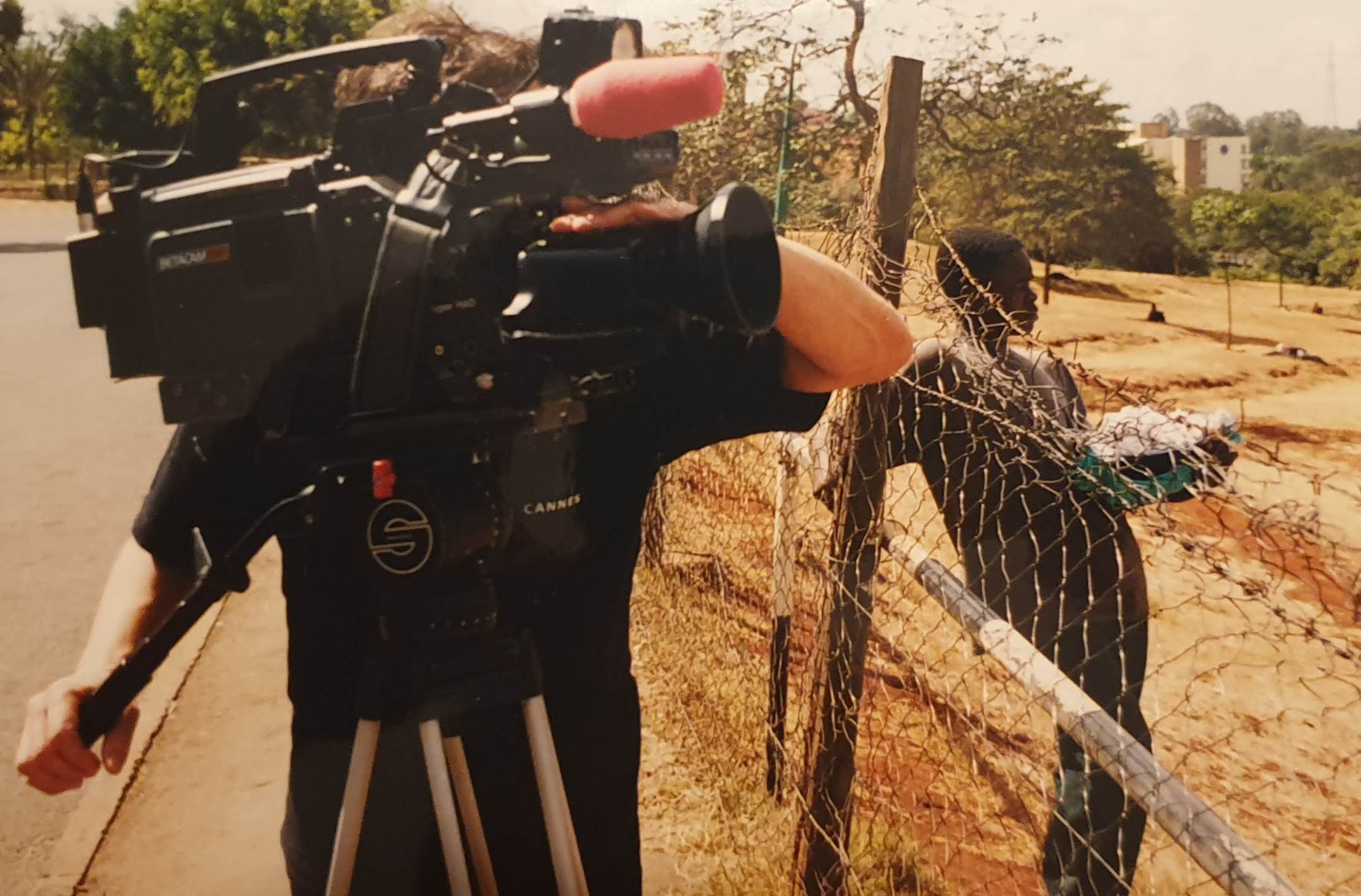
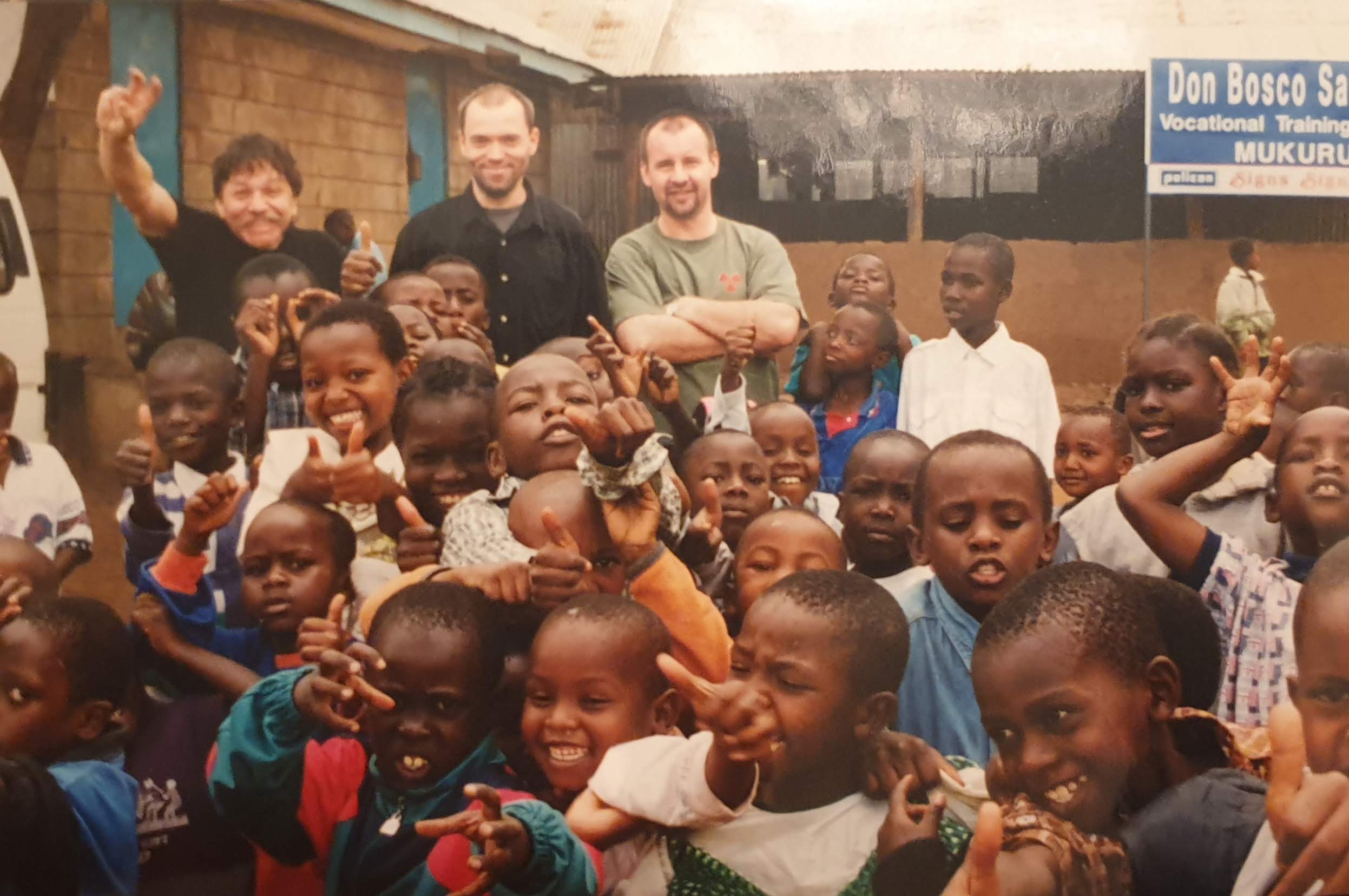
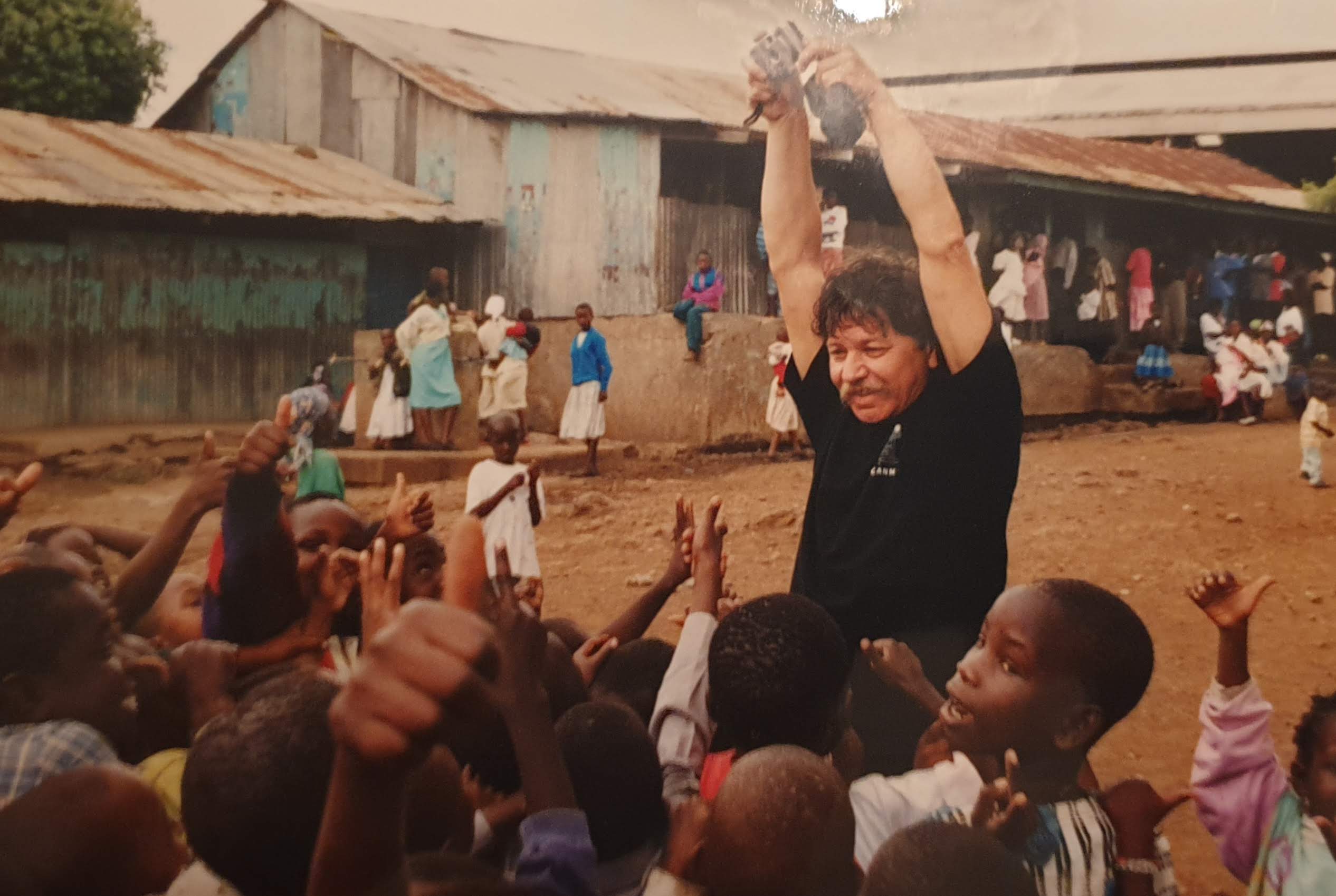
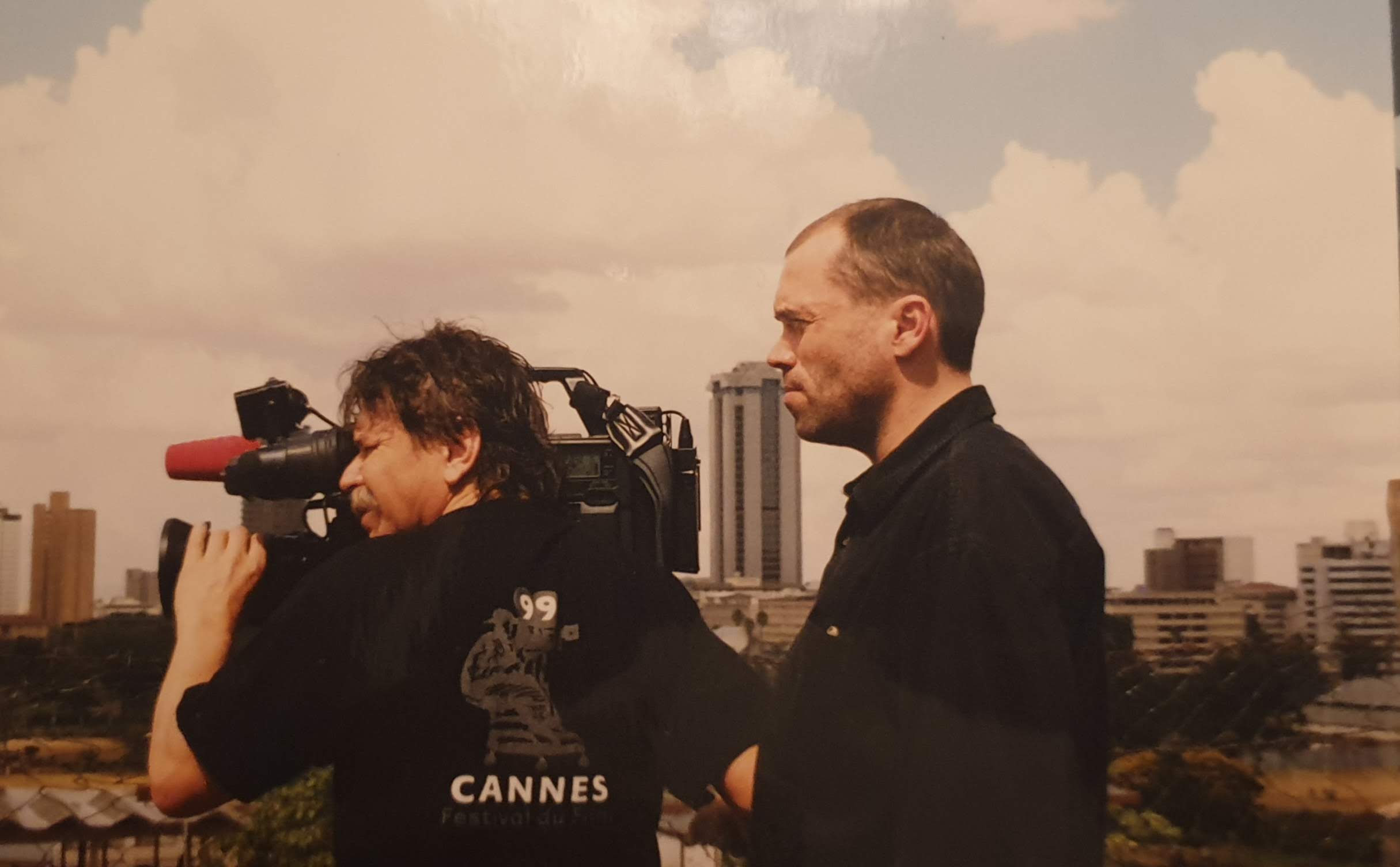
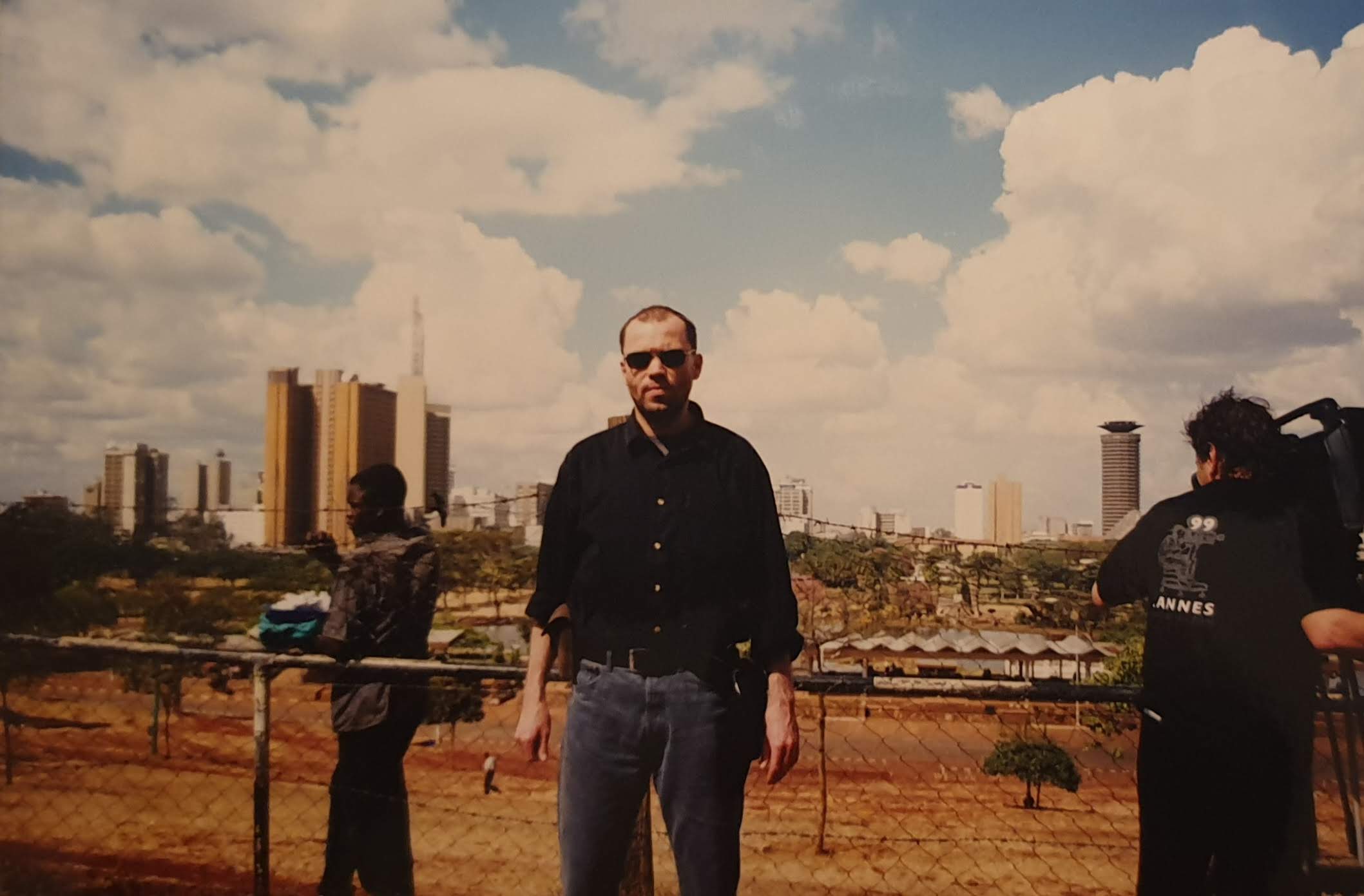
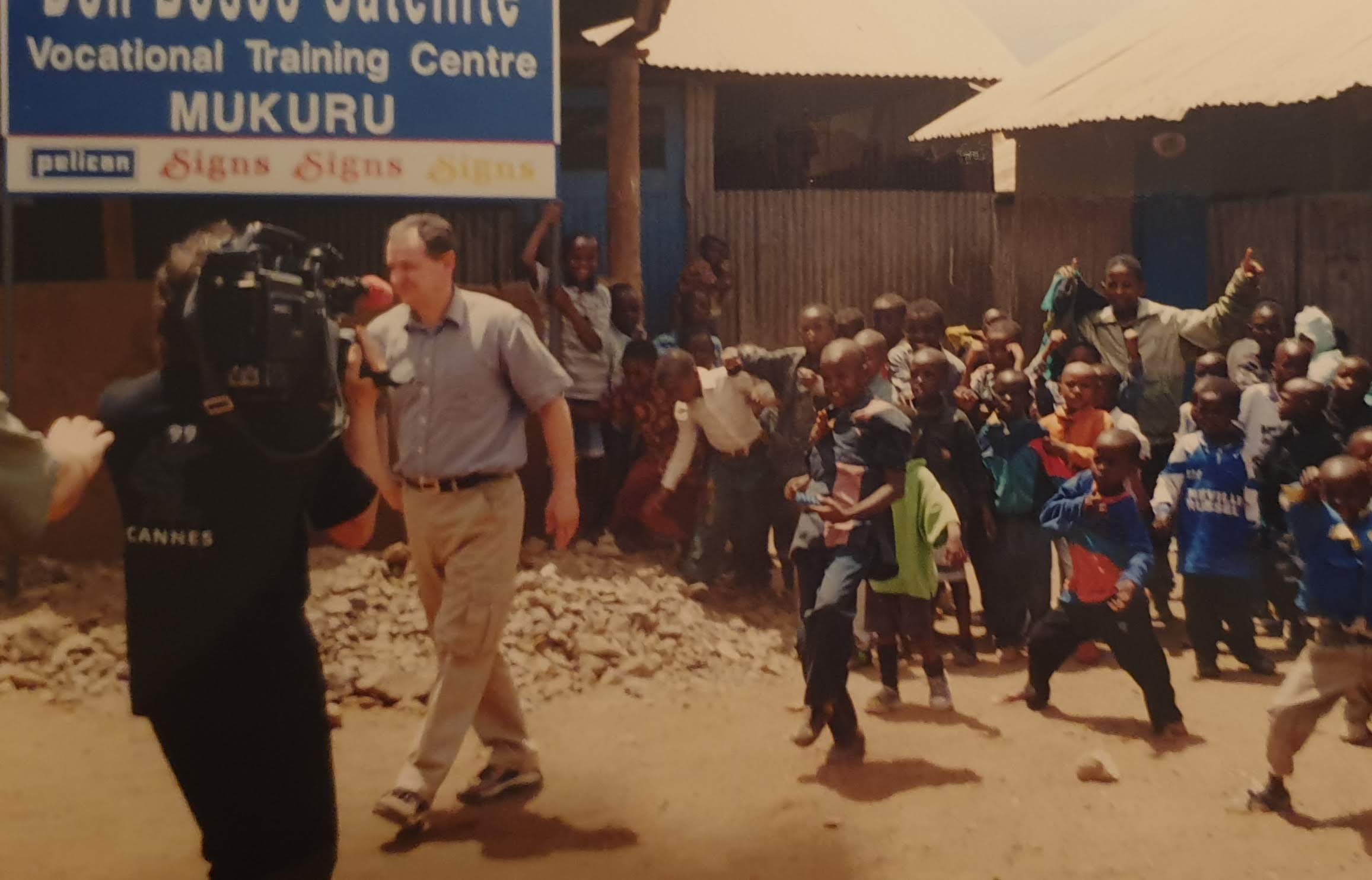
A profile of the businessman František Šulka, who helped establish a hospital in Nairobi where Slovak doctors treat the inhabitants of the poor slums built on the outskirts of Kenya’s capital. (Part of the TV series DOZEN ’99.)
- Miro Šindelka
- Richard Krivda
- Matej Beneš
- Juraj Oravec
- Miro Šindelka (Film Factory)
- TV Markíza
- 13 minutes
- BTC – colour
- © Film Factory s.r.o. 2000
A profile of the Slovak ice-hockey player Peter Šťastný, one of the greatest players in the history of international ice hockey. (Part of the TV series DOZEN 2000.)
- Miro Šindelka
- Ján Ďuriš
- Rudolf Mihálik
- Vladimír Lenko
- Miro Šindelka (Film Factory)
- TV Markíza
- 13 minutes
- BTC – colour
- © Film Factory s.r.o. 2001
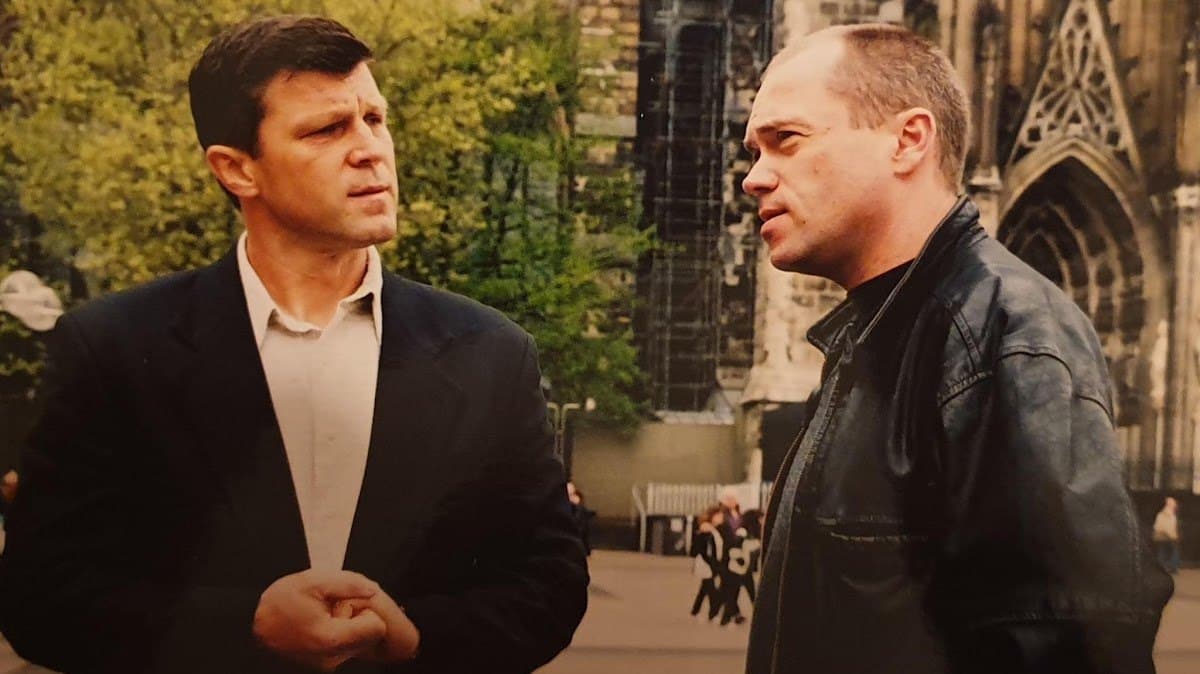
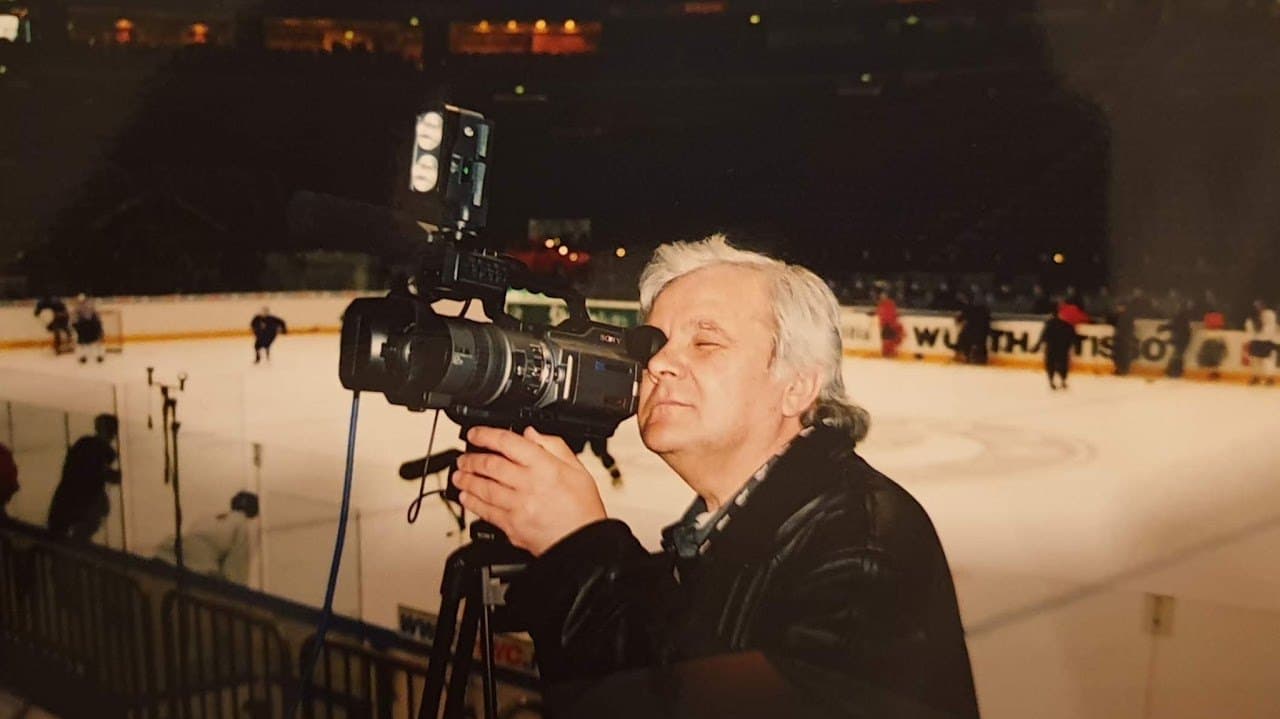
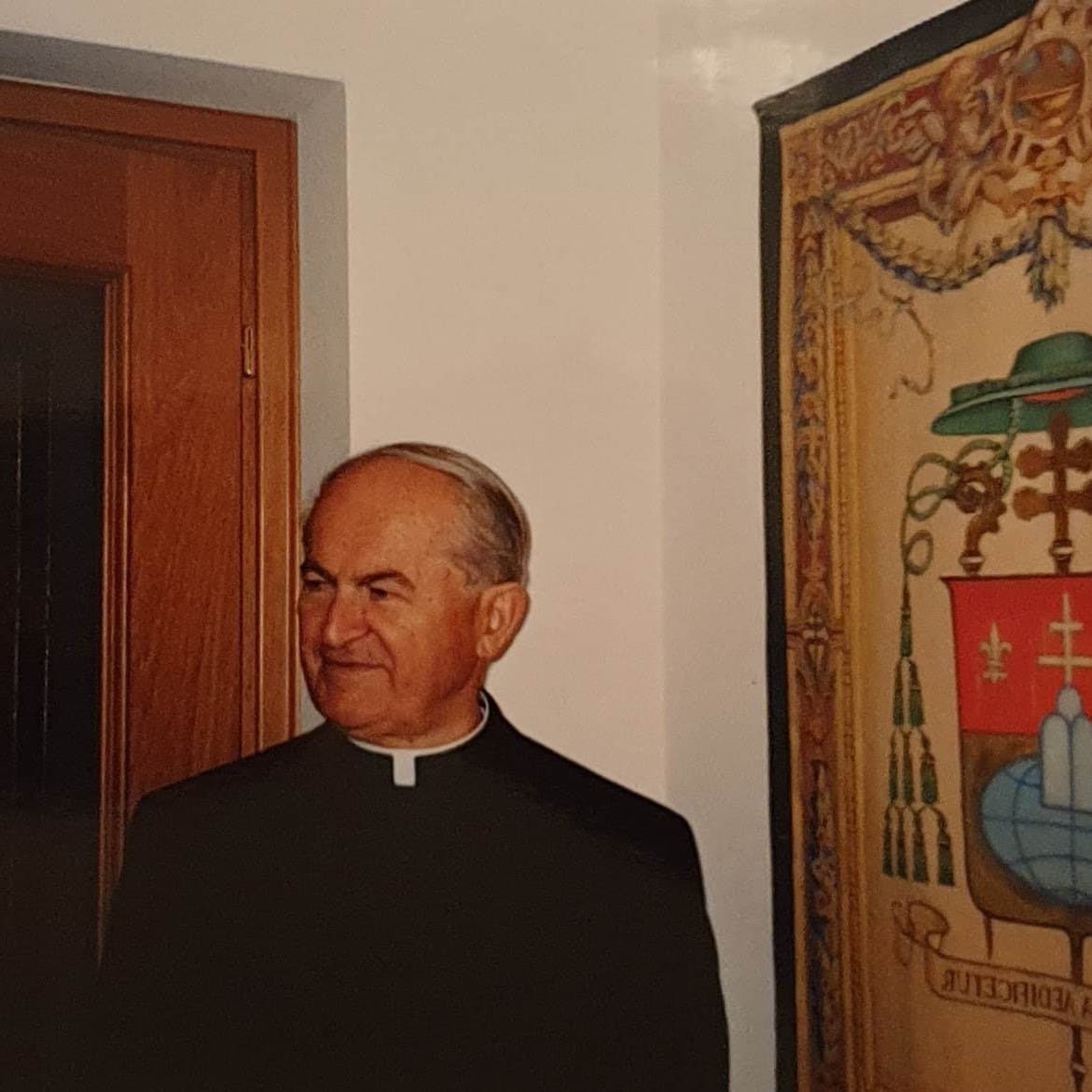
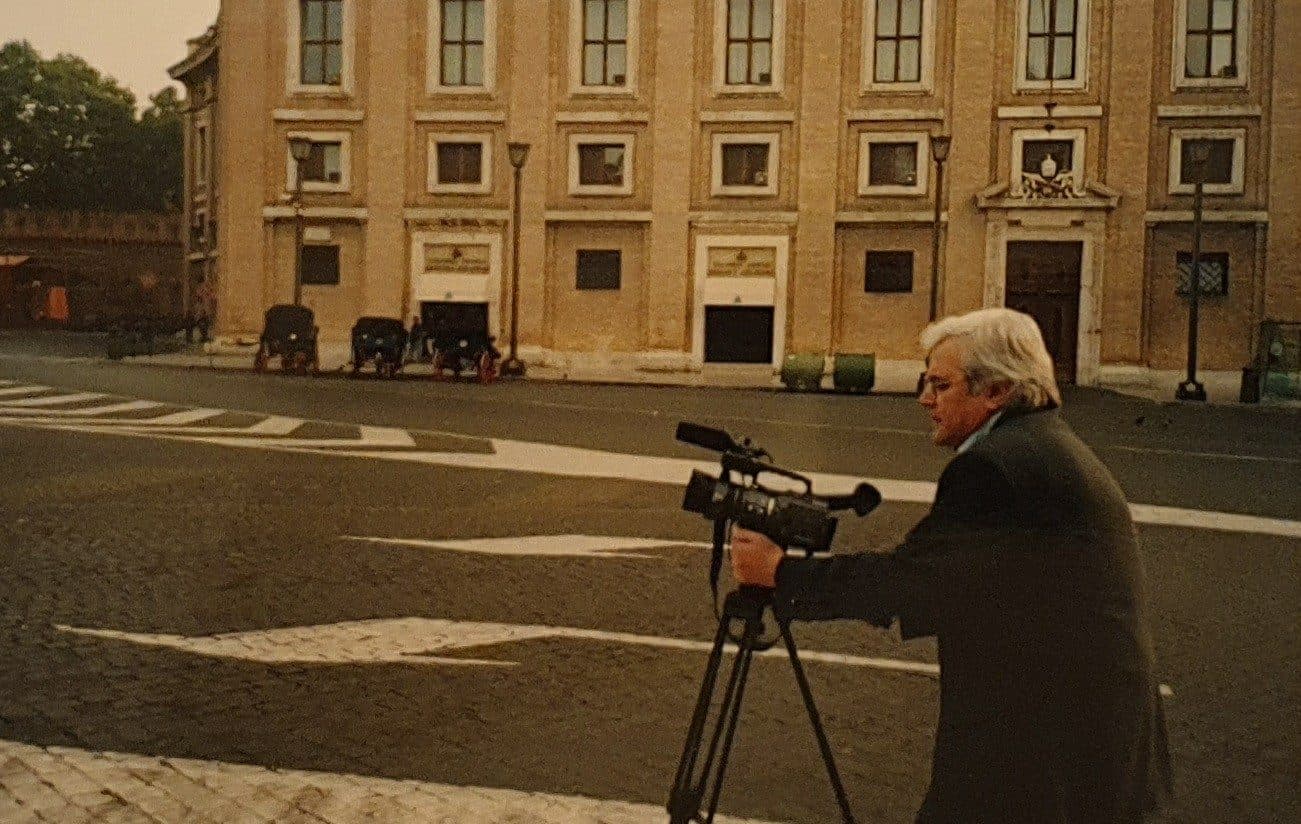
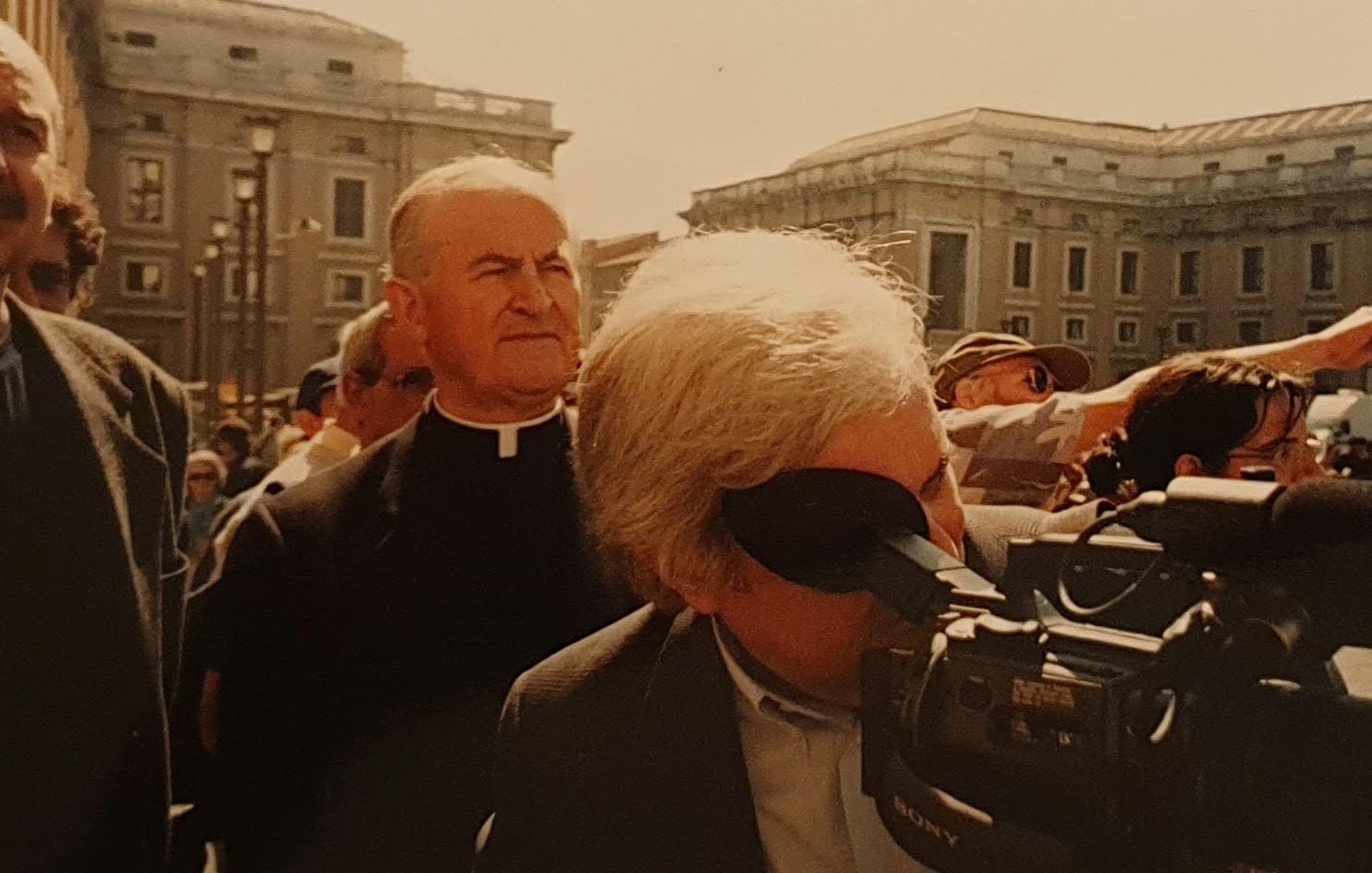
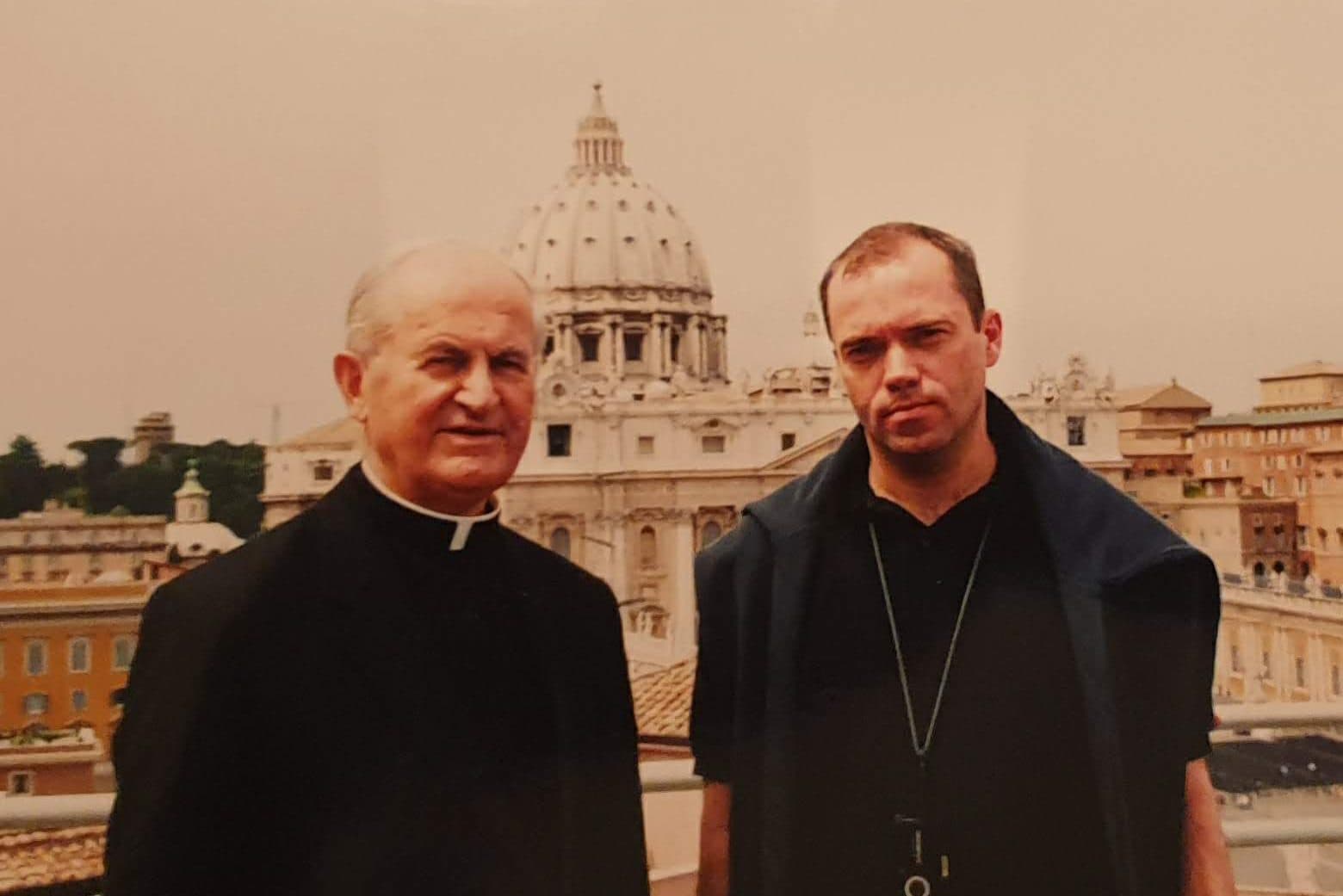
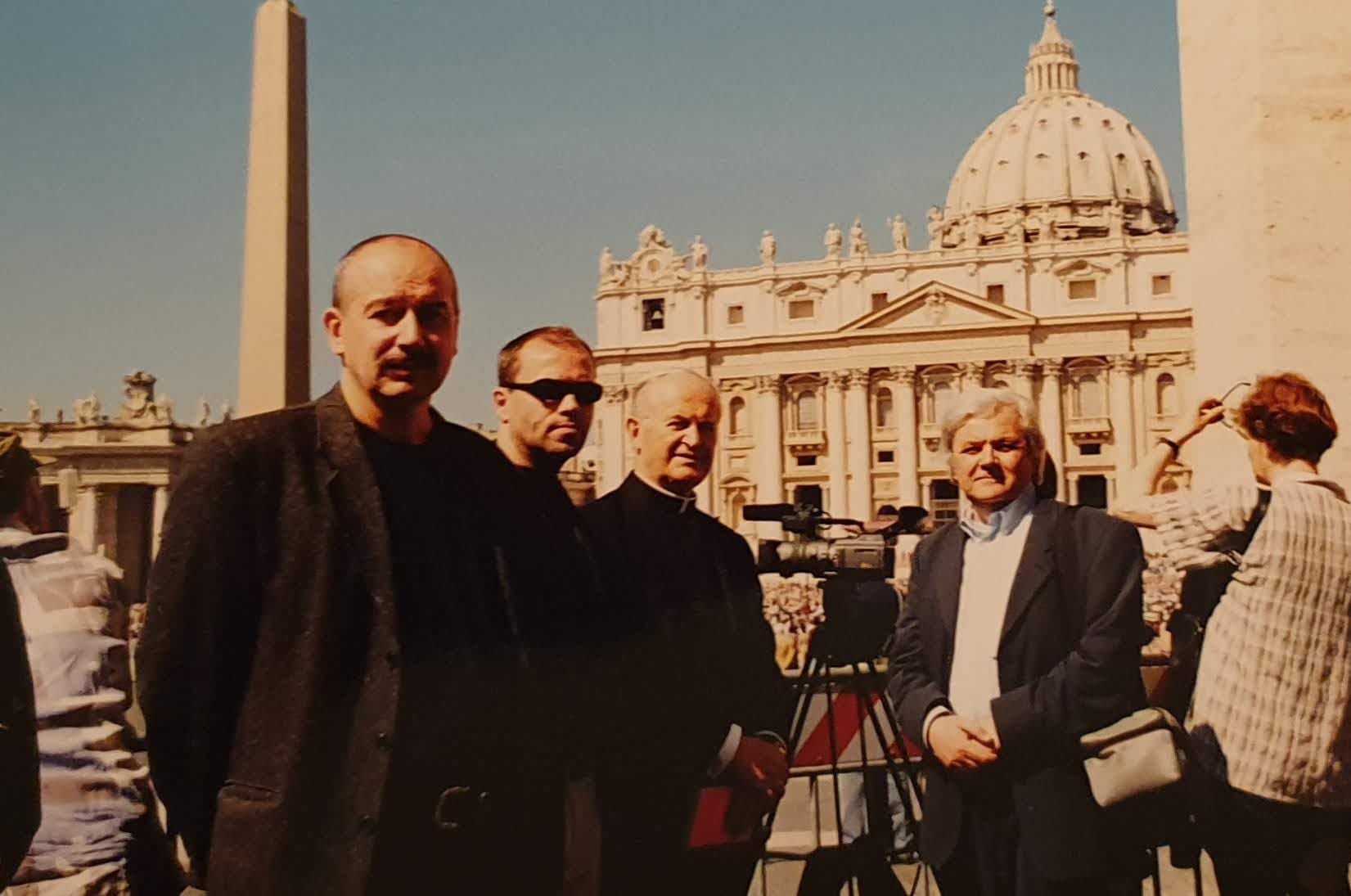
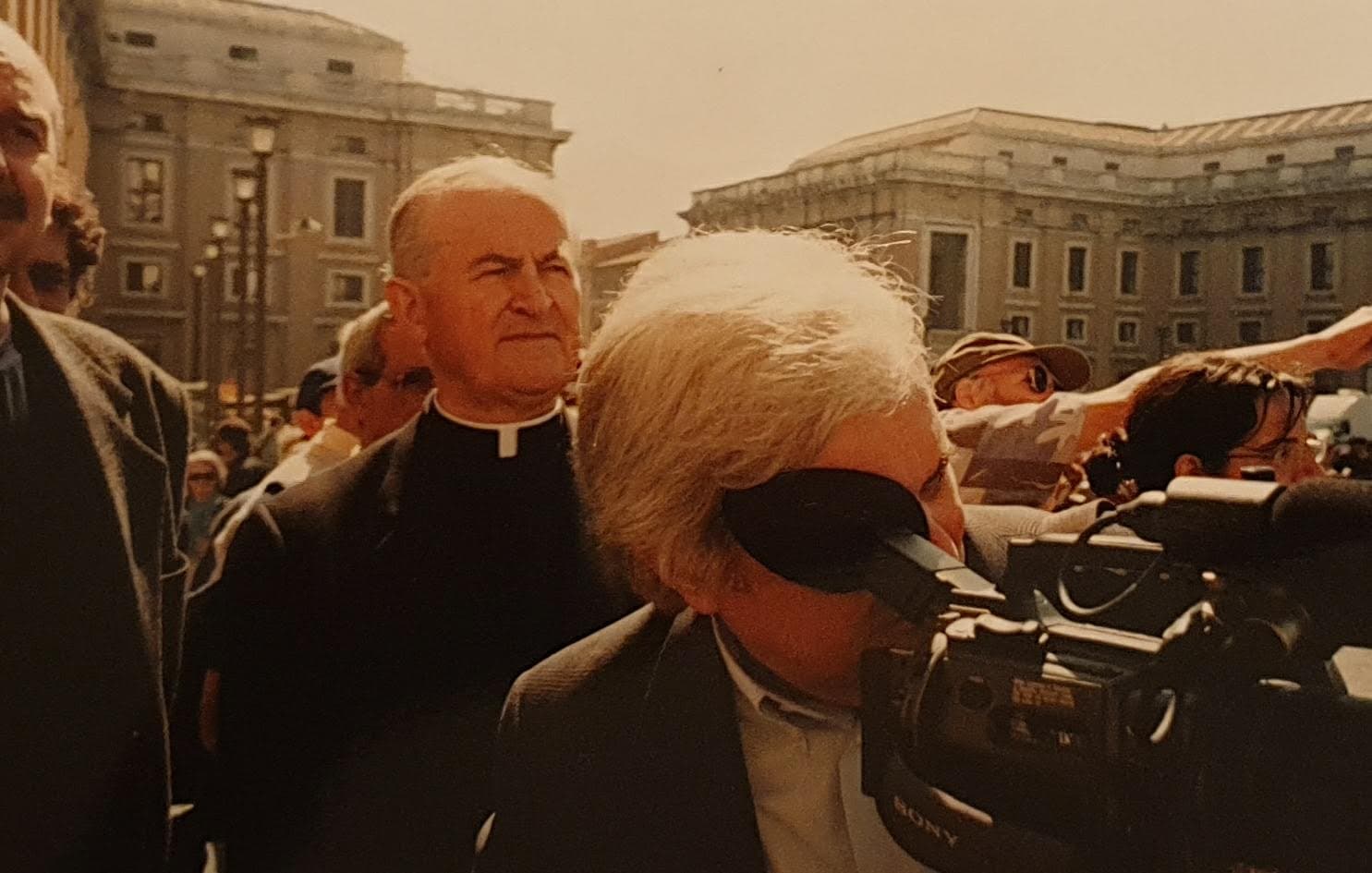
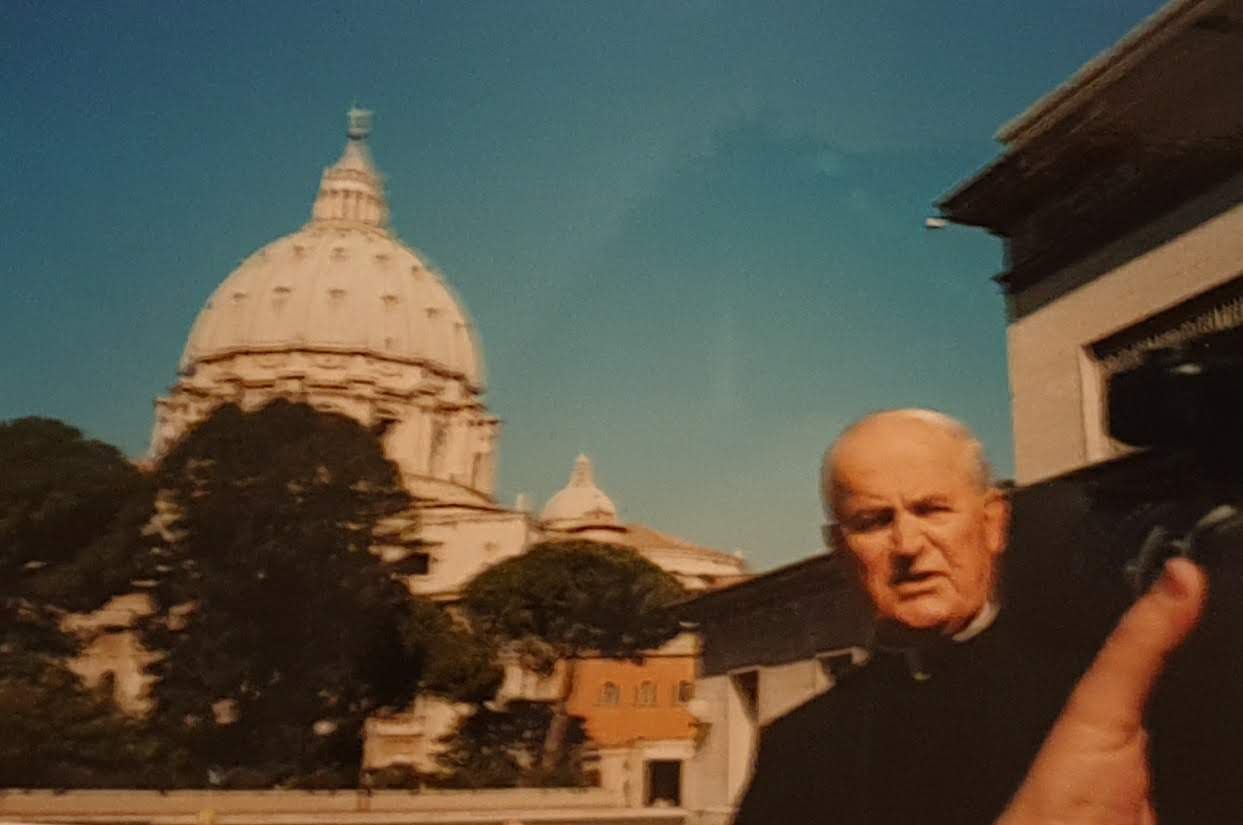
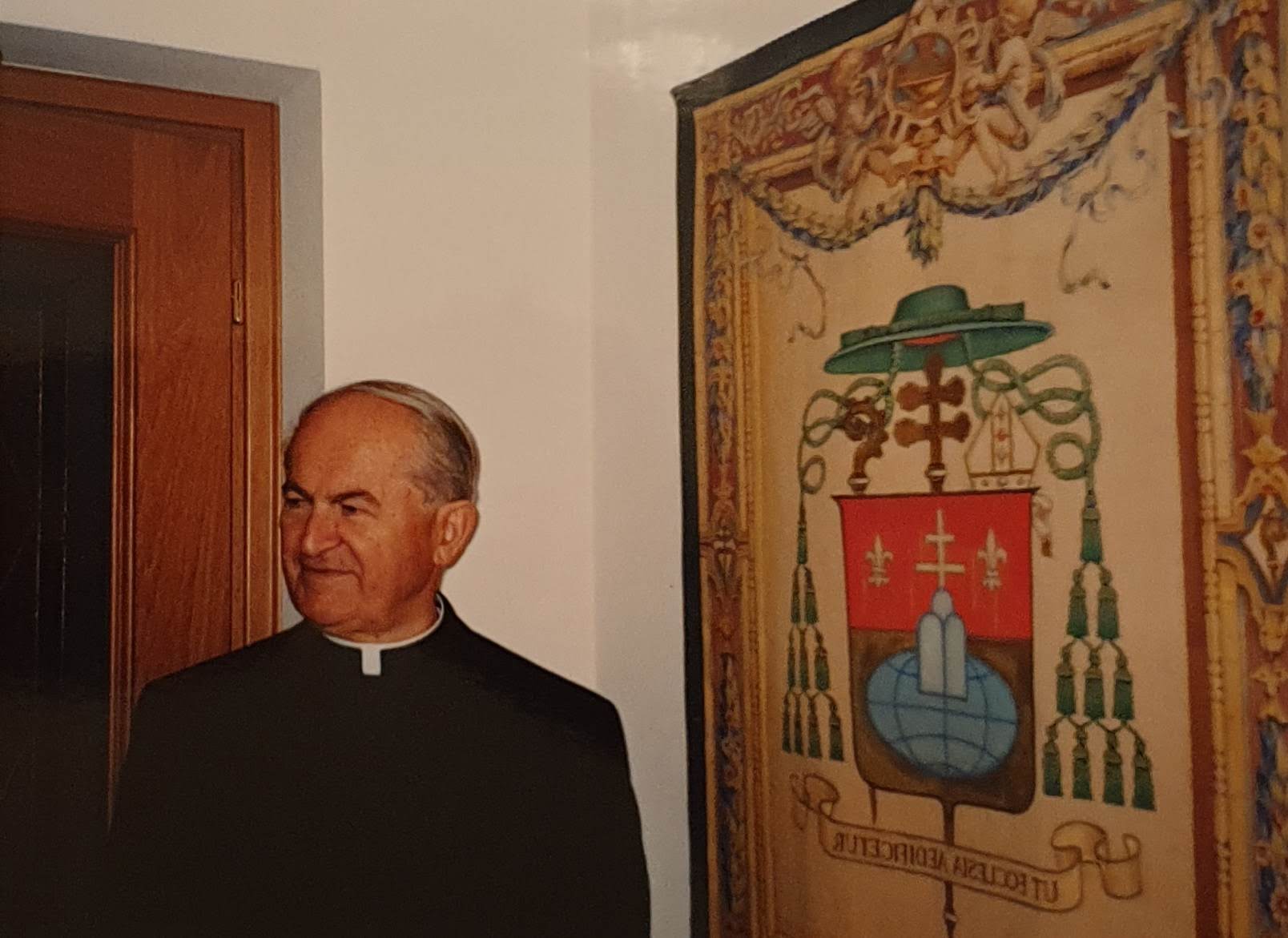
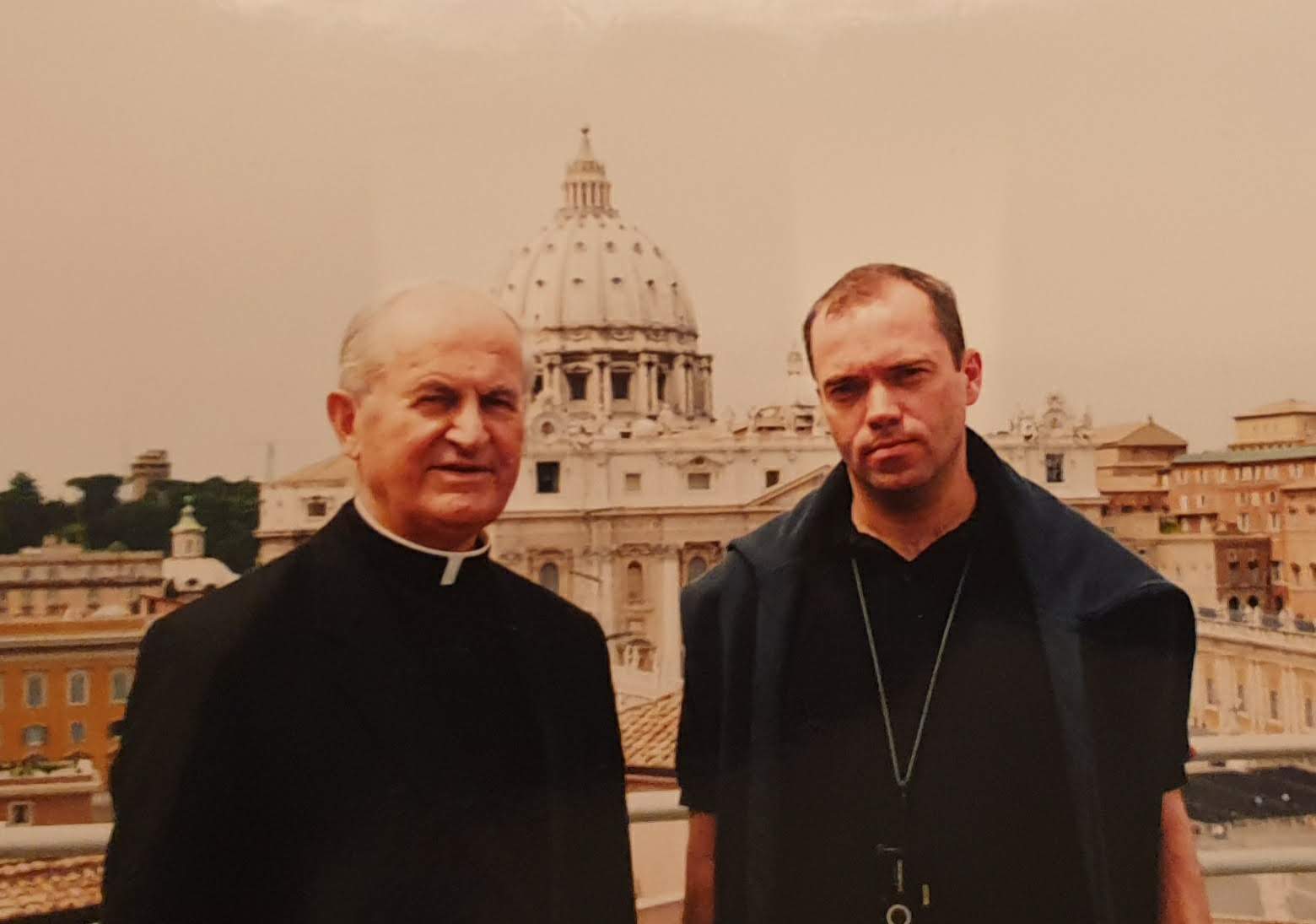
A profile of Cardinal Jozef Tomko, who served in the highest church offices of the Catholic Church at the Vatican. (Part of the TV series DOZEN ’01.)
- Miro Šindelka
- Ján Ďuriš
- Rudo Mihálik
- Jozef Červenka
- Igor Csonka
- Miro Šindelka (Film Factory)
- TV Markíza
- 13 minutes
- BTC – colour
- © Film Factory s.r.o. 2002
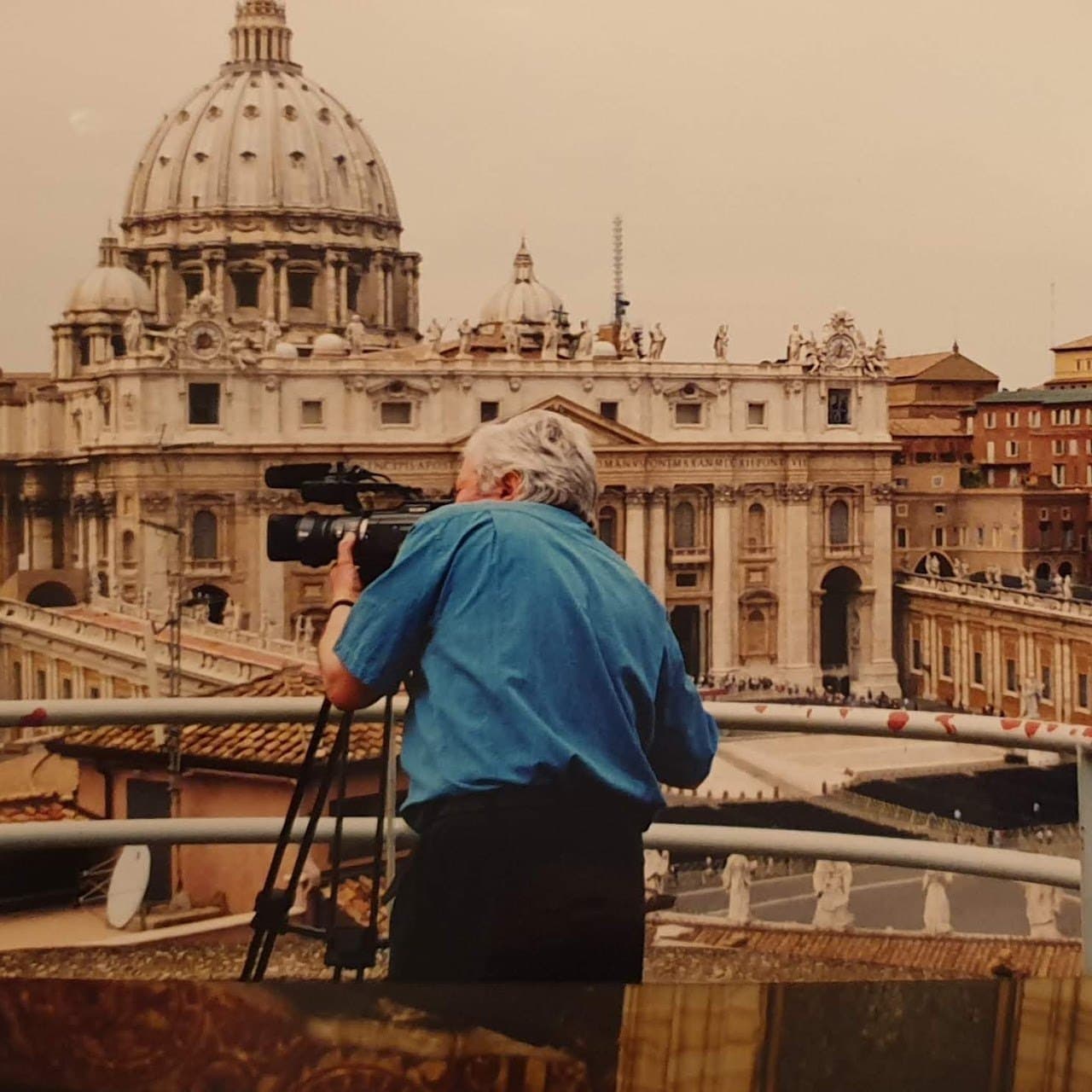
A profile of the nationalist politician Ján Slota. (Part of the TV series DOZEN ’04.)
- Miro Šindelka
- Vlado Biskupič
- Miro Šindelka (Film Factory)
- TV Markíza
- 13 minutes
- BTC – colour
- © Film Factory s.r.o. 2005
A profile of the Paralympian Ján Riapoš — a successful Slovak table-tennis representative and Paralympic medallist. (Part of the TV series Profiles of Paralympians.)
- Miro Šindelka
- Vlado Ďurčanský
- Ľuboš Čechovič ml.
- Igor Baar
- Miro Šindelka (Film Factory)
- 30 minutes
- BTC – colour
- Film Factory s.r.o. for © STV Bratislava 2008
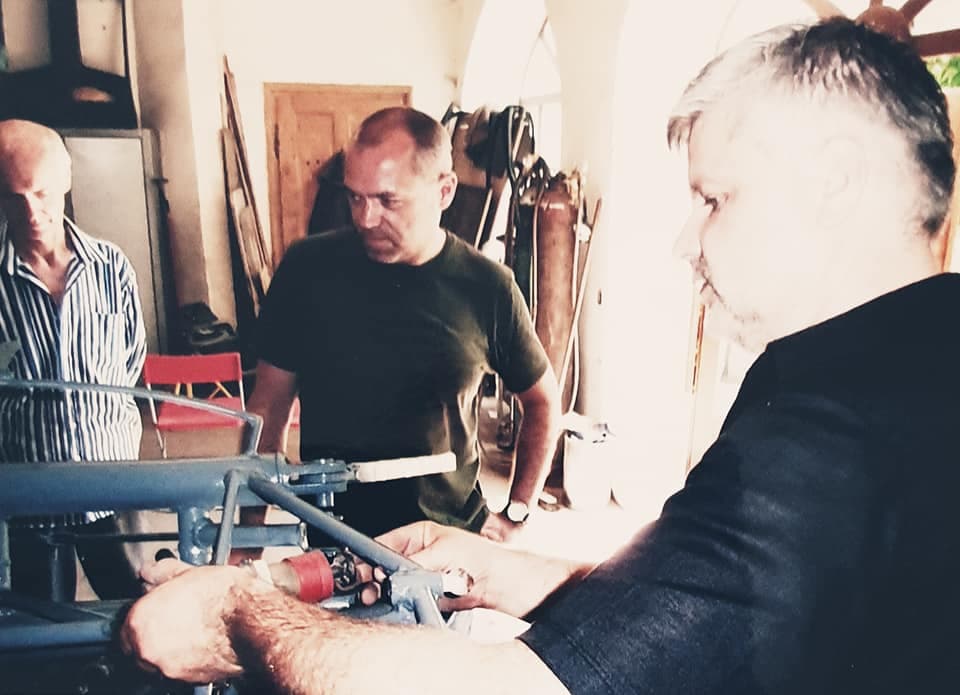
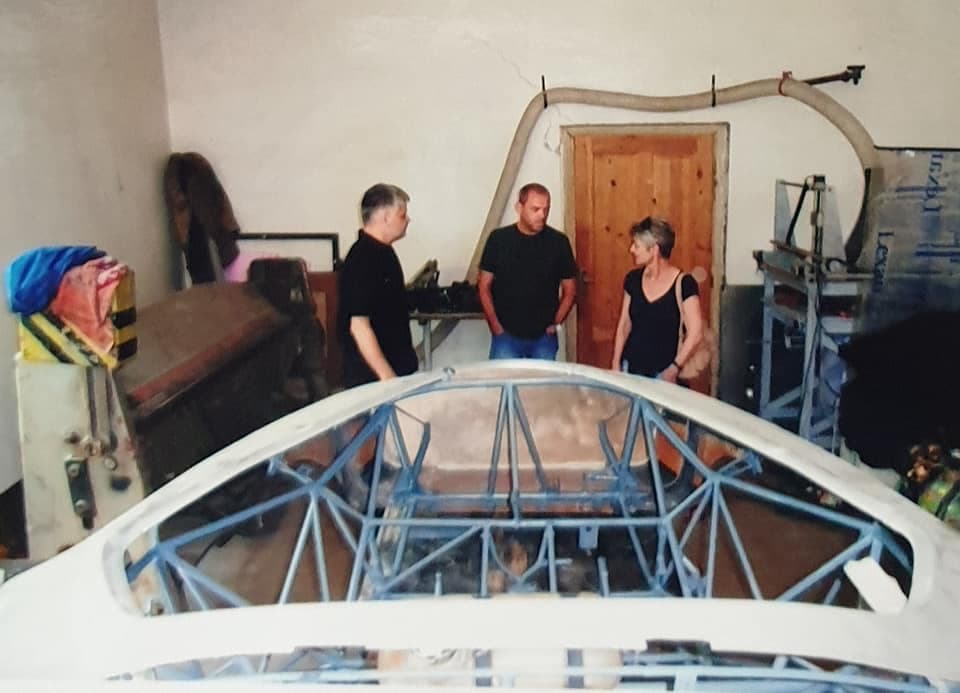
A profile of Štefan Klein — pedagogue at the Academy of Fine Arts and Design and founder of the Department of Transport Design — who built the AeroMobil 2, a car capable of flying through the air as well as driving on ordinary roads. (Part of the TV series GEN SK.)
- Miro Šindelka
- Vlado Ďurčanský
- Rudo Mihálik
- Patrik Pašš (Trigon Production)
- 13 minutes
- BTC – colour
- Trigon Production for © STV Bratislava 2008
CAT 03 — ANIMATED FILM · 02 WORKS
The rise and fall of orators whose mouths spew reams of covered paper that flood the landscape. Nodding, assenting onlookers. The machinery of power, with its two faces. All of this is suggested by the sculptural creations of the Moravian artist Jiří Žlebek.
The rise and fall of orators whose mouths spew reams of covered paper that flood the landscape. Nodding, assenting onlookers. Female figures both wounded and wounding. The machinery of power, with its two faces. All of this is suggested by the sculptural creations of the Moravian artist Jiří Žlebek. The filmmaker Miro Šindelka gives them a kinetic dimension, setting them into space and time, into the realities of contemporary life — where "the present" is not bound to any particular time. For he speaks of people, relationships and feelings of yesterday, today and tomorrow. The construction of Žlebek's figurines (and of Šindelka's film) reaches not only "into" human meanings; thanks to a satirical detachment, it also brings to life a rewarding gallery of unexpected art-and-film creations. In this way Šindelka's static and moving figures become part of a remarkable surrealist family tree of cinema — one that spreads from the fertile Buñuelian root to the Švankmajer branches, and in Šindelka's poetics finds precise and profound connotations. Miro Šindelka threw the gates of this lineage wide open in Slovak filmmaking. And, like his predecessors, he remained one of a kind. Prof. Rudolf Urc
- Miro Šindelka
- Miro Šindelka
- Milan Peťovský
- Martin Knut, Miro Šindelka
- Iva Bittová
- Roman Varga
- Štefan Šváňa
- 20 minutes
- 35 mm film – colour
- Slovenská filmová tvorba Bratislava - Koliba, Štúdio Alef for © STV Bratislava 1991
EdinburghCran-Gevrier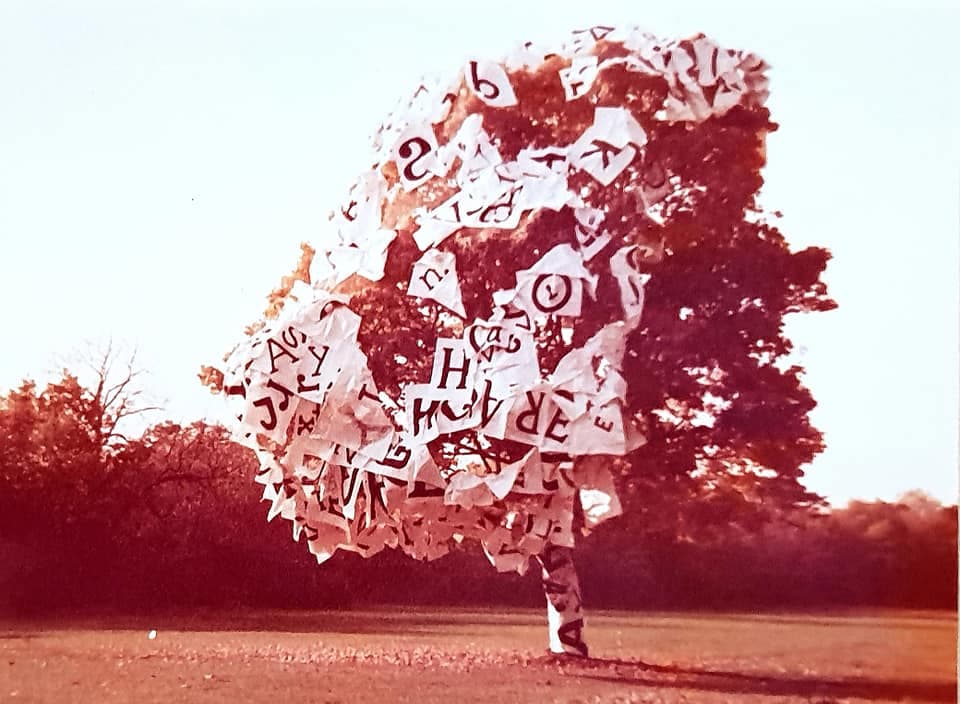
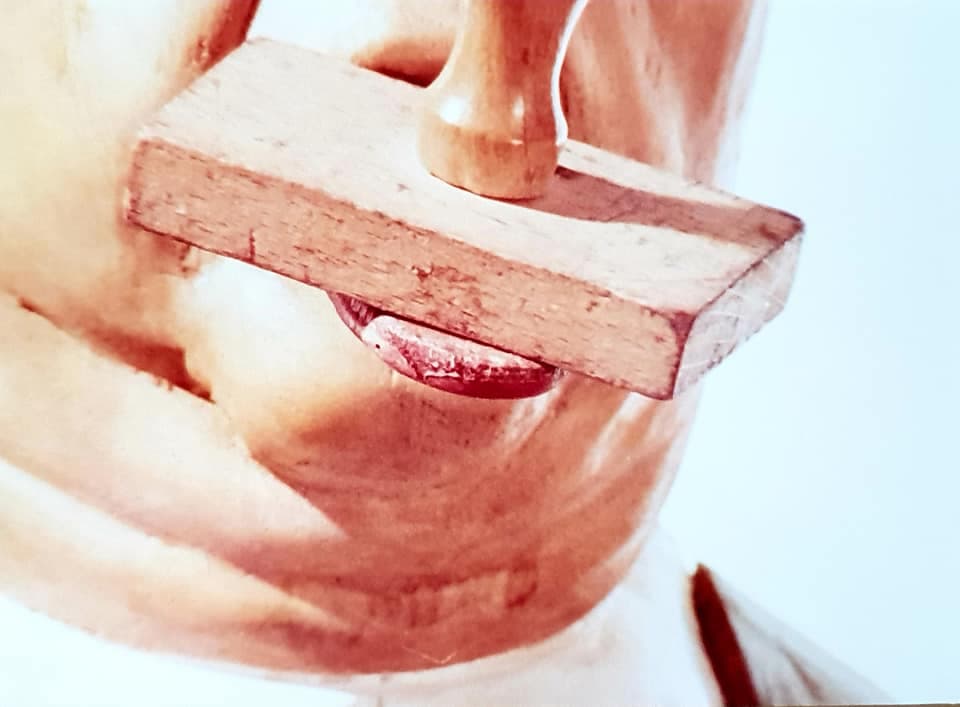
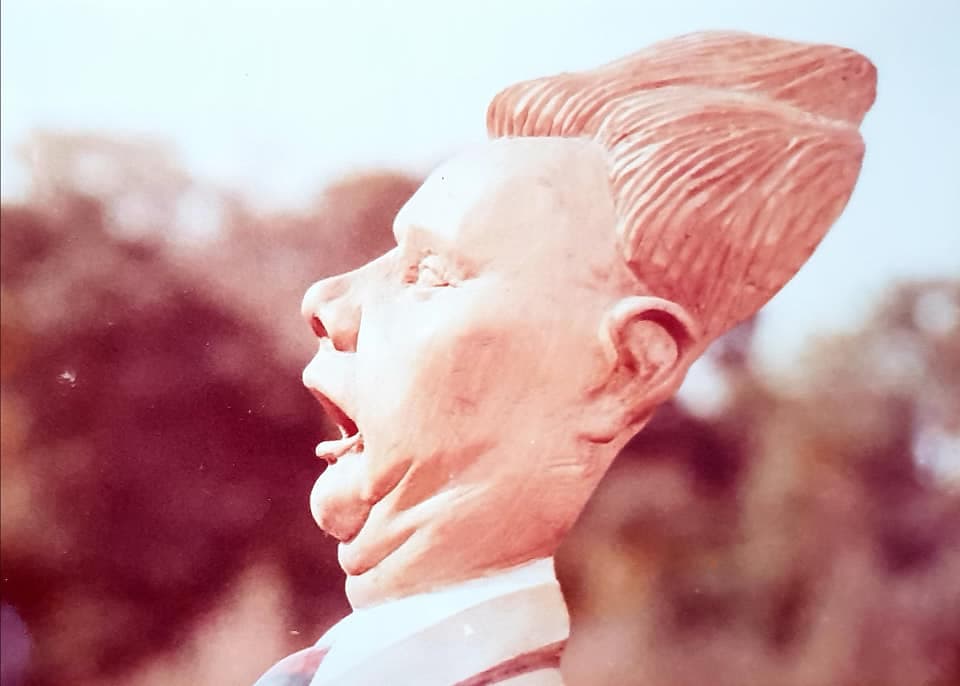
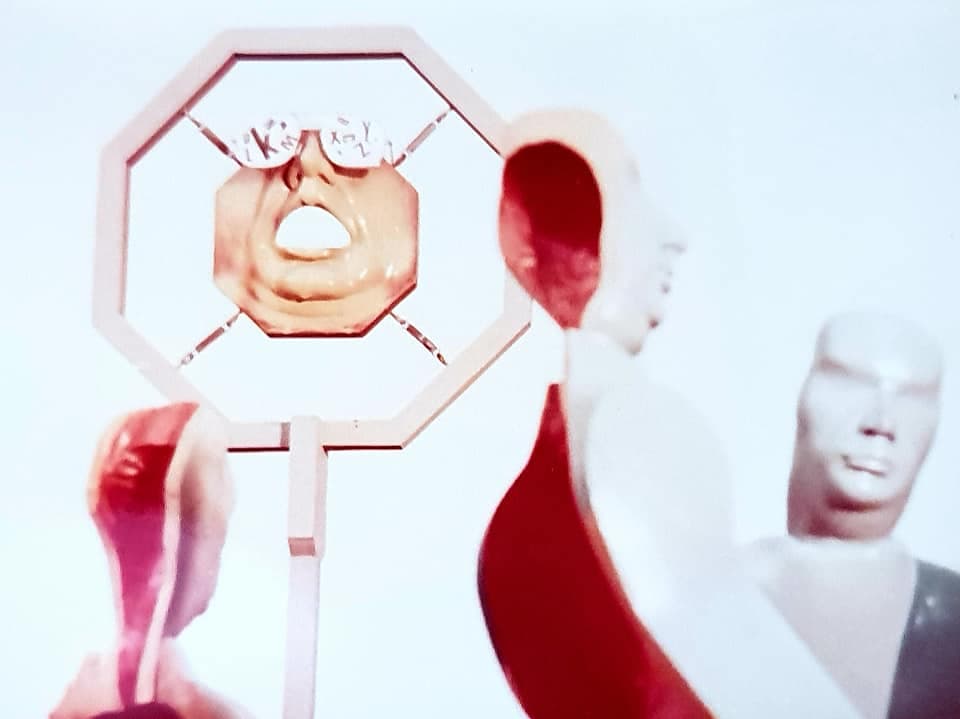
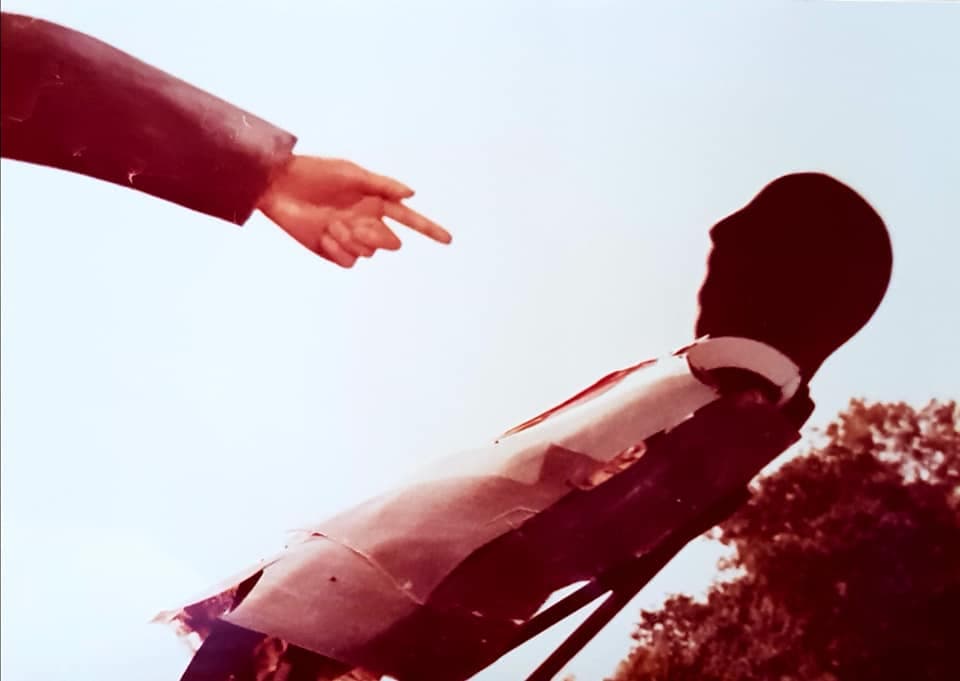
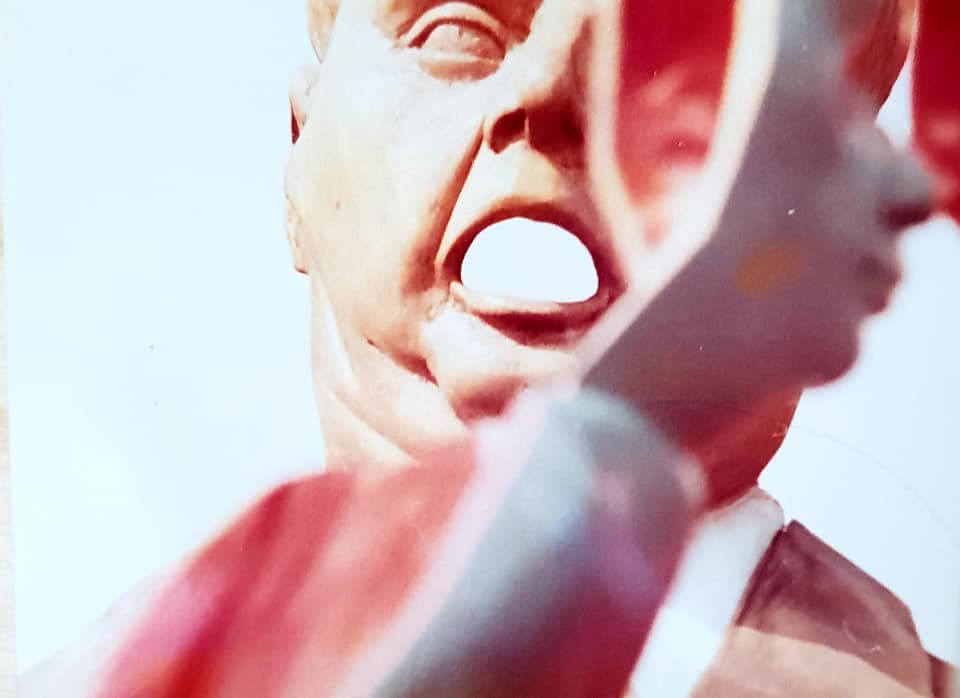
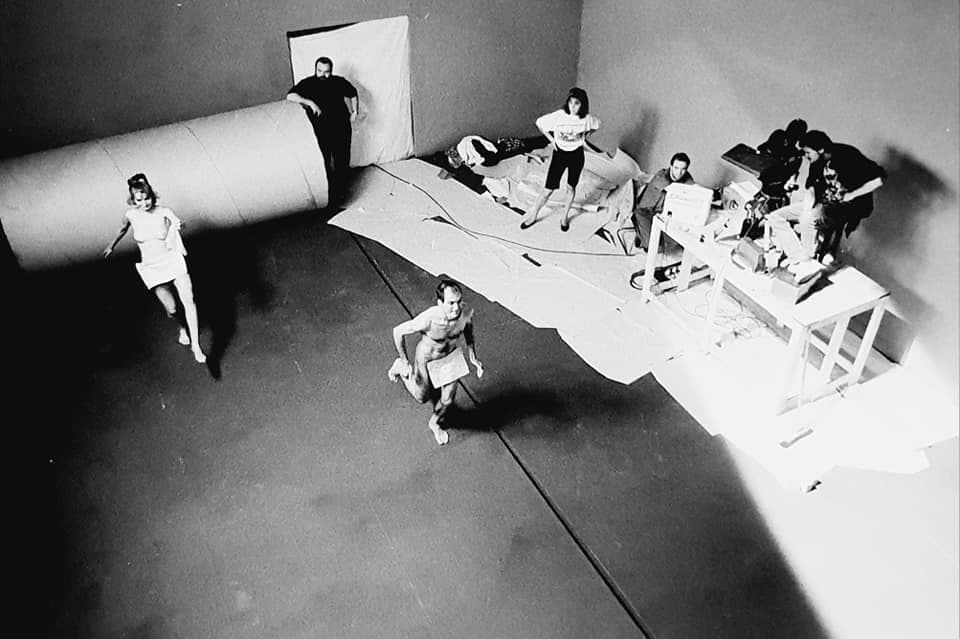
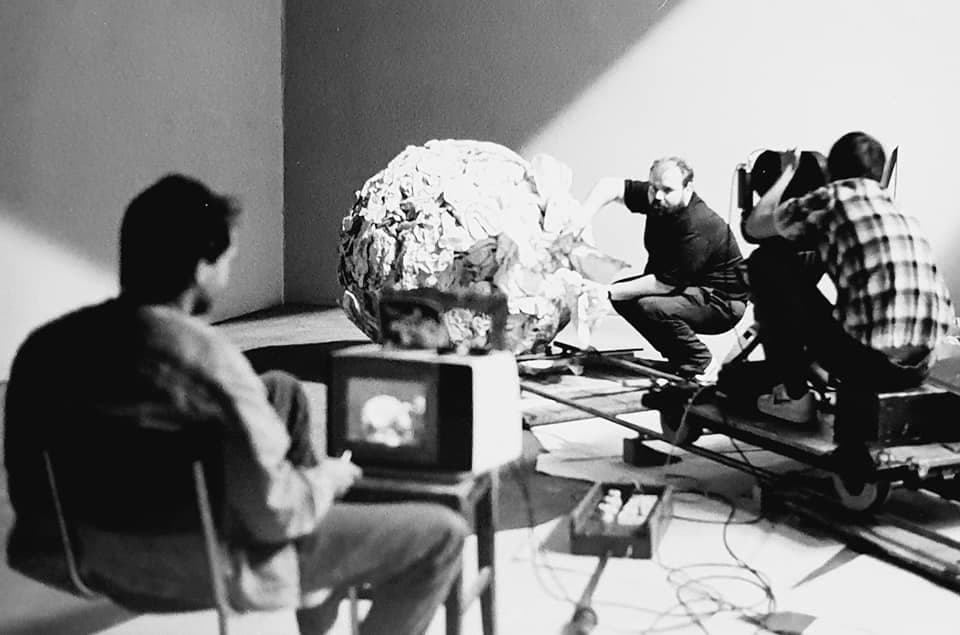
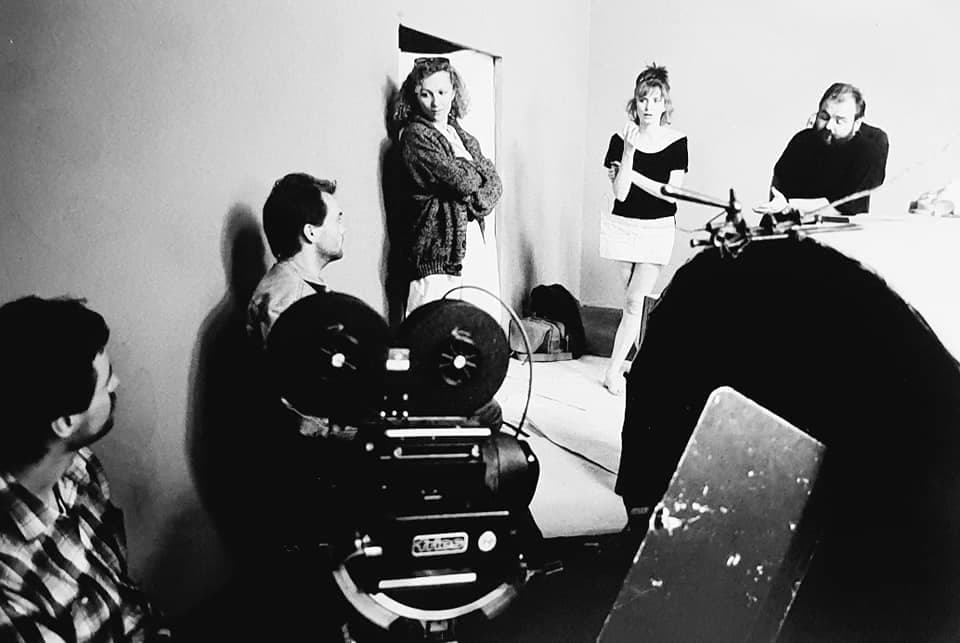
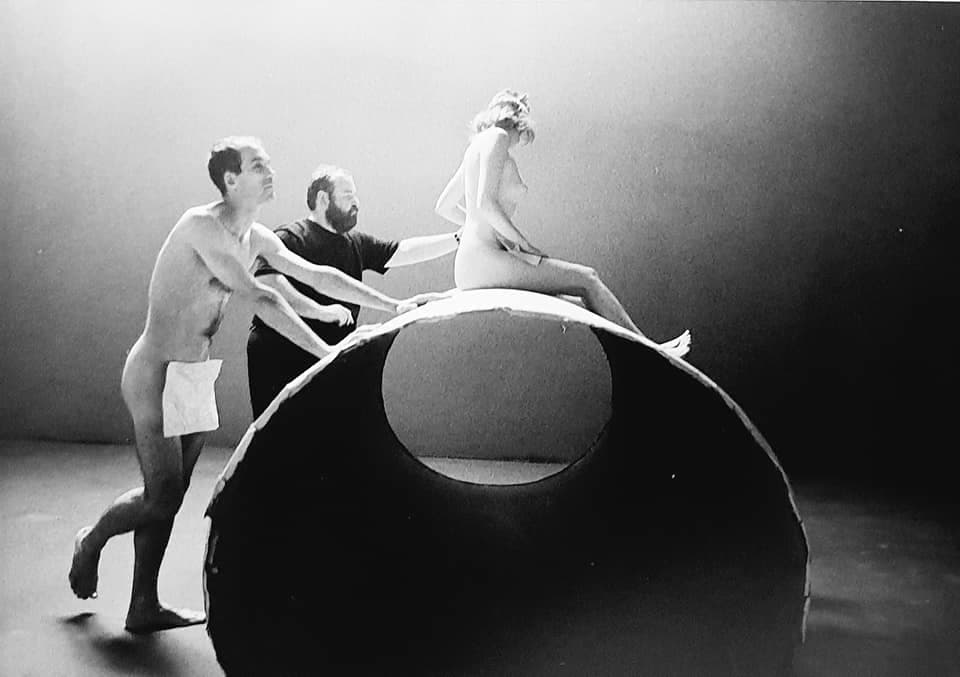
Two naked figures — a man and a woman — move within the confined space of four walls. Their movements too are confined, mechanically animated, pixilated. What follows is an absurd farce with a bizarre punchline, in which "steamrolling" becomes both sign and label.
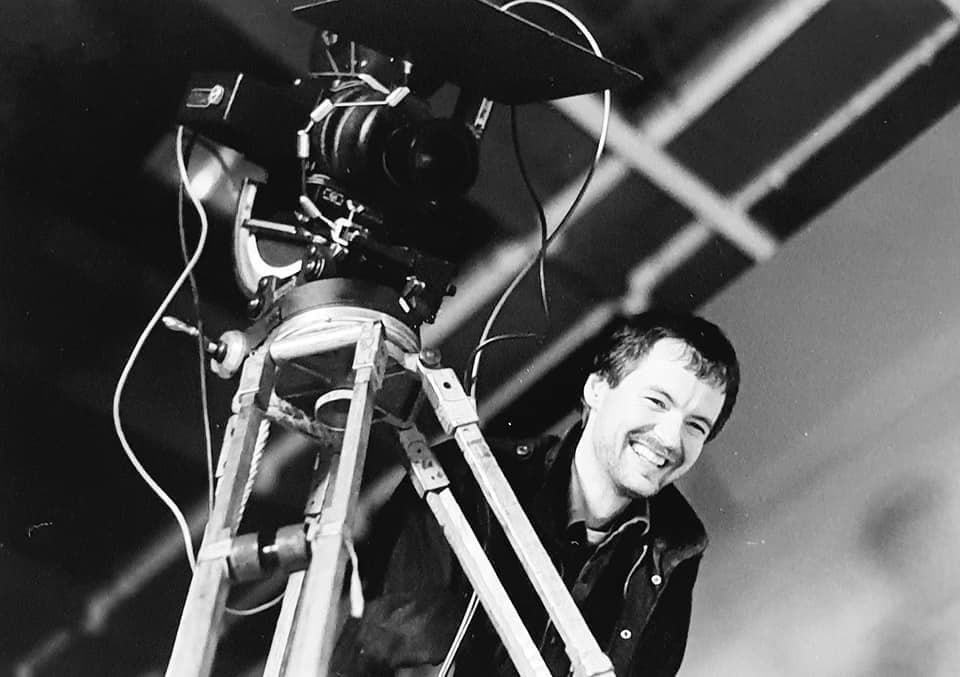
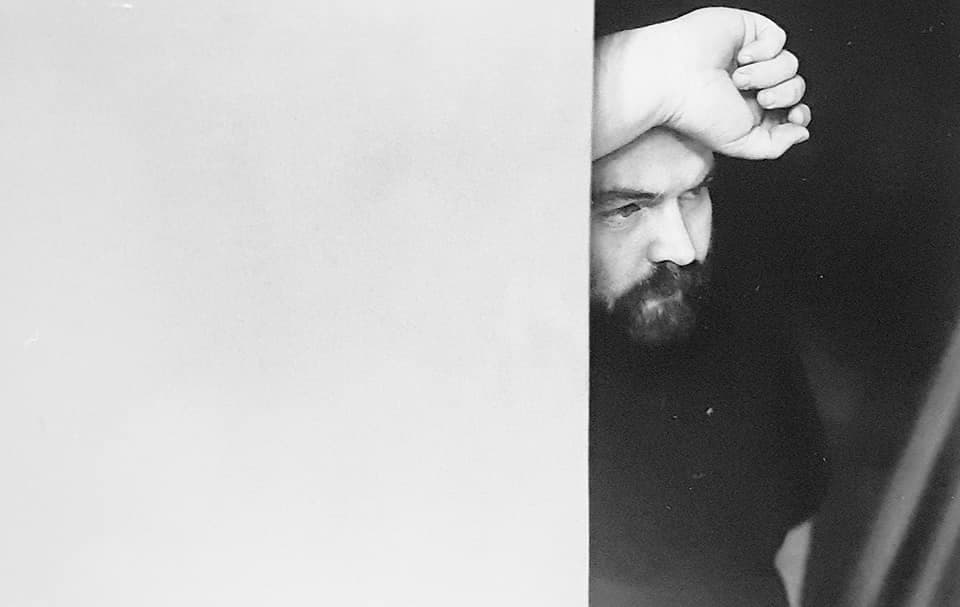
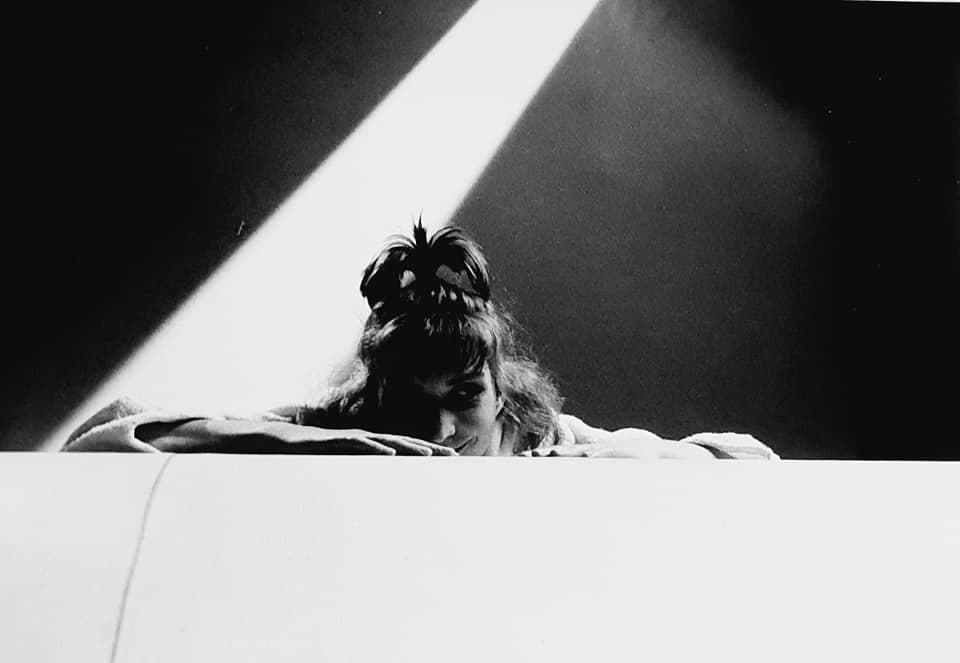
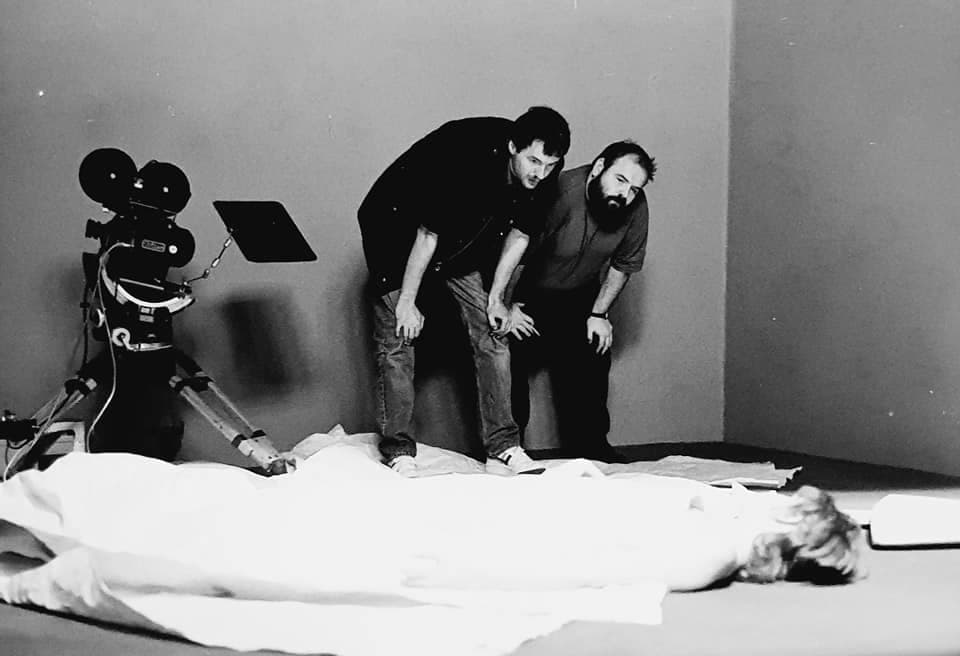
Two naked figures — a man and a woman — move within the confined space of four walls. Their movements too are confined, mechanically animated, pixilated. A light source above them alternates day and night depending on when the lid of the box opens and closes. The naked couple live out their monotonous existence until it is interrupted by the surprising entrance of a third party — a steamroller arrives on the scene. What follows is an absurd farce with a bizarre punchline, in which "steamrolling" becomes both sign and label. For this exceptional work Šindelka gathered congenial partners around him — Iva Bittová excels with her original score, the protagonists T. Kučerová and C. Rossi are joined by Ivana Chýlková in a singular one-actor étude, the animation is co-created by M. Knut, and the demanding tasks of composition and cinematography are handled to perfection by M. Jícha. The early 1990s, marked by creative hesitation among many Slovak artists, were something Miro Šindelka approached actively — as a challenge. He is wryly serious wherever he deals with the oddities of human stories, down to their most primal. On the surface his gaze is gentle, even tender: his Man and Woman became the symbols on the doors behind which one "answers the call of nature." That gentleness turns unexpectedly into its opposite. It is still the confined space of four walls, of a box — only, paradoxically, a larger one. And within it the human being is just as boundlessly easy to manipulate... Prof. Rudolf Urc
- Miro Šindelka
- Miro Šindelka, Martin Knut
- Marek Jícha
- Miro Šindelka, Martin Knut
- Iva Bittová, Pavel Fajt
- Roman Varga
- Juraj Solan
- Marcela Švedová (FilmM)
- Slovenská filmová tvorba - Koliba
- Tereza Kučerová, Carlo Rossi, Ivana Chýlková, Radomil Uhlíř
- 15 minutes
- 35 mm film – toned in brown
- © FilmM 1992
1992FÓRUM ´921993FILMTEST IV1993MEDIA 10-101998Avanca ´982000Oberhausen2000Slovenský inštitút
CAT 04 — TV PROGRAMMES · 07 WORKS
A youth magazine about youth clubs, hosted by the popular singer Richard Müller.
- Miro Šindelka
- Miro Šindelka, Milan Ježík
- Jozef Krivošík
- Eva Buzogová
- Ján Grečnár
- 20 minutes
- 16 mm film – colour
- © Československá televízia Bratislava 1987
A youth magazine about the train regularly ridden by young people from the Horehronie region, hosted by the popular singer Robo Grigorov.
- Miro Šindelka
- Miro Šindelka, Milan Ježík
- Jozef Krivošík
- Eva Buzogová
- Ivan Schwarz, Kamil Kocián
- 20 minutes
- 16 mm film – colour
- © Československá televízia Bratislava 1987
A youth magazine capturing young artists — painters, musicians and filmmakers — at the shared cultural event "Five Minutes to Midnight" at the V-klub in Bratislava.
- Miro Šindelka
- Miloš Krmíček
- Peter Kordáč
A monthly television chart show of Czechoslovak songwriters and pop performers. As part of the programme, Miro Šindelka provided the visuals for the songs: Nás nedostanú — Madragora; Kam jdou lásky mé — Tanja / Ladislav Křížek; Ať žije show — Lenka Filipová; Nemám co prohrát — Pavel Vítek; Požičovňa tvárí — Marián Greksa.
- Miro Šindelka
- Jozef Krivošík
- Peter Kordáč
- Vladimír Juhanesovič
A monthly television chart show of Czechoslovak songwriters and pop performers. As part of the programme, Miro Šindelka provided the visuals for the songs: Luis — Zuzana Michnová and Marsyas; Miss Moskva — Jiří Korn; Čo s načatým večerom — Mirka Brezovská and Mona Líza.
- Miro Šindelka
- Jozef Krivošík
- Peter Kordáč
- Vladimír Juhanesovič
A music recital by Zuzana Homolová and her guests — Vladimír Merta and Jiří Stivín.
- Miro Šindelka
- Miro Šindelka, Branislav Slyško
- Fedor Frešo
- Miloš Krmíček
- Peter Kordáč
- Miroslav Pisarčík
- Táňa Hojčová
- Laco Teren
- Zuzana Homolová, Vladimír Merta, Jiří Stivín
- 60 minutes
- BTC – colour
- © Československá televízia Bratislava 1989
A music recital by Adriena Bartošová.
- Miro Šindelka
- Miro Šindelka, Branislav Slyško
- Fedor Frešo
- Miloš Krmíček
- Peter Kordáč
- Miroslav Pisarčík
- Stano Černý
- Adriena Bartošová
- 60 minutes
- BTC – colour
- © Československá televízia Bratislava 1990
CAT 05 — MUSIC VIDEOS · 12 WORKS
- Richard Müller
- Richard Müller
- Robo Grigorov
- Robo Grigorov
- Vidiek – Bez ladu a skladu
- Róbert Sanke
- Richard Müller
- Tublatanka
- Bez ladu a skladu
- Allan Mikušek
- Miro Šindelka
- Free Faces
- Miro Šindelka
- Hex
- Miro Šindelka
CAT 06 — PRODUCTION · 15 WORKS
It Will Stay Between Us is the story of Dana, a young woman on the eve of her wedding, who meets the strange Tomáš under dramatic circumstances. Through him she gradually realizes that her life and her relationships are dull and unsatisfying. She discovers a new world full of freedom, chance and mystery — but also of chaos and conflicting emotions. She discovers passion.
WHAT It Will Stay Between Us is the story of Dana, a young woman on the eve of her wedding, who meets the strange Tomáš under dramatic circumstances. Through him she gradually realizes that her life and her relationships are dull and unsatisfying. She discovers a new world full of freedom, chance and mystery — but also of chaos and conflicting emotions. She discovers passion. Tomáš, however, has troubles of his own — he is incapable of a full, committed relationship. Even so, Dana begins an affair with Tomáš behind the back of her fiancé Michal, and a love triangle takes shape, a merry-go-round of lies, inventions and suspicions. The situation is further tangled by a crime motif: the murder of one of the secondary characters. In the final part of the story Dana leaves Michal and attempts to build a life with Tomáš. But to no avail. Dana returns to the sad but secure relationship, full of certainty, at whose centre stands the bland, fussy Michal. Tomáš is left alone with his depressions. HOW In his second feature as well, Miro Šindelka maps the complexity of human relationships with an emphasis on his female characters. In It Will Stay Between Us the women may be complicated beings, but they are hopelessly bound by the conventions of a contemporary, largely male world. In such a world the rules of behaviour are placed above spontaneity and naturalness. Every character therefore plays some kind of game. Puts on a performance. There is little room here for sincerity. The time and space of this world are portrayed remarkably. The action unfolds mostly in a large shopping centre. Coldness and enclosure dominate, a sense that there is no escape. Cold colours and the emptied-out spaces of elegant but alienated apartments create an impression of industrial superficiality. The characters relax in enclosed sports halls and fitness centres. Nature has no place here. (Unlike the earlier A Passionate Kiss, where nature still offered a possibility of escape.) It Will Stay Between Us is a pessimistic film, a film about loneliness and enclosure. Miro Šindelka tells the story almost in passing, in hints. He concentrates on atmosphere. He often uses striking, almost advertising-like compositions, especially in the images of the protagonist. The result is a film that is attractive to audiences yet neither simple nor explicit. It is left to the viewer to read and interpret the meanings hidden in the film images offered. Essential is the focus on the film's music, one of its greatest assets. The music of Michal Kaščák and Slavomír Solovic answers the atmosphere, and in one remarkable scene Marian Varga even makes an appearance. CONTEXT In It Will Stay Between Us too, Miro Šindelka does not leave the territory of the psychological melodrama, this time combined with the motif of infidelity. The film thus joins the strong current of especially European films of the new millennium that map relationships against the backdrop of the alienated environment of contemporary urban subculture. These films are marked by a sorrow at the impossibility of authentic relationships. Without pathos they describe the inability to communicate honestly in a fast, hectic world where the most important values are success and possessions. Several films along these thematic lines can be found in contemporary Czech cinema as well. In the Slovak context, Katarína Šulajová's latest film Two Syllables Behind (2004) indirectly and faithfully continues to explore the very concerns that Šindelka examines here. Prof. Martin Ciel, PhD.
- Miro Šindelka
- Miro Šindelka, Slavena Pavlásková
- Slavena Pavlásková, Miro Šindelka
- Pavol Rankov
- Ján Ďuriš
- Slavo Solovic, Michal Kaščák
- Dušan Kojnok
- Darina Šuranová
- Ľuba Ďurkovičová
- Jiří Klenka
- Miro Šindelka (Film Factory)
- Film Factory CZ
- Barrandov Studio, Štúdio 727
- Michal Dlouhý (Michal), Tomáš Hanák (Tomáš), Danica Jurčová (Danica), Anna Šišková (Anna), Zdena Studenková (interpreter), Miro Noga (friend), Rastislav Piško (estate agent), Matej Landl (Maťo), Marek Vašut (police inspector), Radim Uzel (psychologist), Michal Gučík (friend), Zuzana Fialová (girlfriend), Szidi Tobias (girlfriend), František Kovár (priest), Božidara Turzonovová (Danica’s mother), Marian Varga (organist), Zuzana Belohorcová (call girl) and others
- 92 minutes
- 35 mm film – 1 : 1.85 – colour
- © Film Factory s.r.o. 2003
- Martin Marenčín
2003Slovenský film2003Cran-Gevrier2004Bradforde2004Finále Plzeň2004Grenzland Filmtage2004Granici / Na hraniciThe feature-length fiction debut of writer-director Pavel Marek is a black comedy shot through with moments of tenderness. Its message is that a person who hurts those around him ends up hurting himself most of all. The main character, Martin, lives in a rented basement flat somewhere on the outskirts of Prague. Together with his girlfriend he works serving customers at a small tea house — though he leaves the work to her while he attends acting auditions, convinced of his own "creative" calling. After one of his drunken scenes he ends up in a psychiatric clinic, where he meets the fragile Markéta, who feels safest of all within the institution's walls...
- Pavel Marek
- Pavel Marek
- Pavel Marek
- Diviš Marek
- David Koller, Michal Dvořák
- Petr Fořt
- Andrea Králová, Iva Rašková
- Alois Fišárek
- Jan Čeněk
- Pavel Melounek, David Prudký (Whisconti)
- Krátky film Praha, Česká televízia
- Film Factory
- Pavla Jirásková (Markéta), Jan Zuska (Martin), Jiří Macháček (Karel), Monika Černošková (Klára), Hana Seidlová (Marie), Ondřej Malý (František), Gabriela Hyrmanová (Dana), Vladimír Drha (director), Tomáš Turek (schizophrenic), Pavel Melounek (giant head) and others
- 97 minutes
- 35 mm film – colour
- © Whisconti 1998
mladéhoTěrlické filmové letoMFF Soči (Rusko)Fébiofest PrahaMFF Avanca 1999A travelogue film about Slovakia, hosted by Rasťo Piško — actor, writer and, in the film above all, a voice impressionist of Slovak politicians. The film was presented by the West theatre together with Rasťo Piško's stage play "A Little Night Music".
- Vlado Balko
- Martin Štrba
- Dali Liška
- the band Vidiek
- Oľga Hromkovičová
- Miro Šindelka
- Soros Center for Contemporary Arts-Slovakia, Rádio Rebeca, Allegros-All Leasing Group Slovakia
- Rasťo Piško, politicians and citizens of Slovakia
- Film Factory
1997Febio Fest ’97
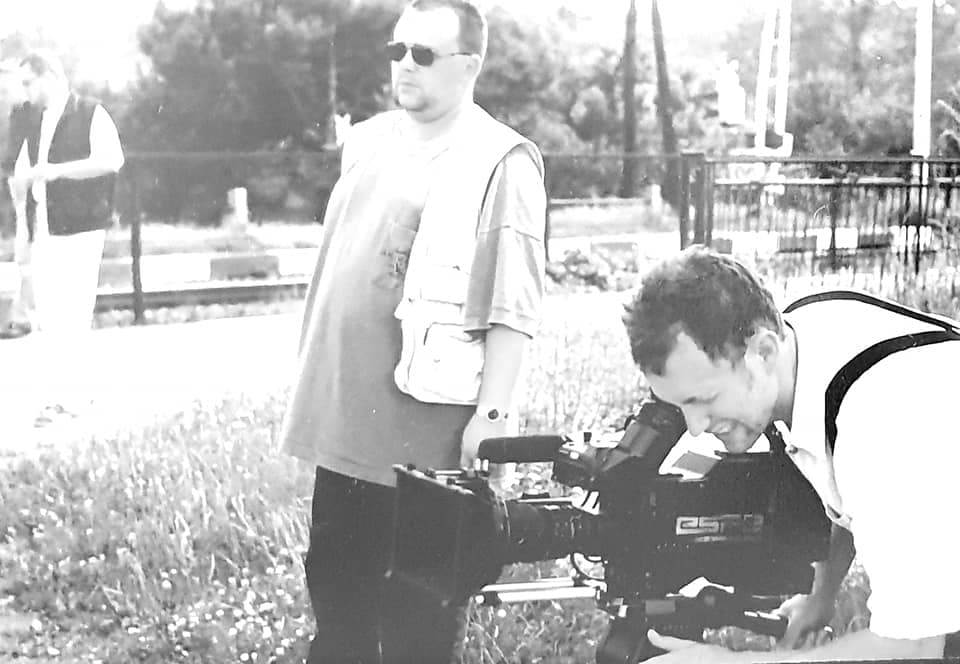
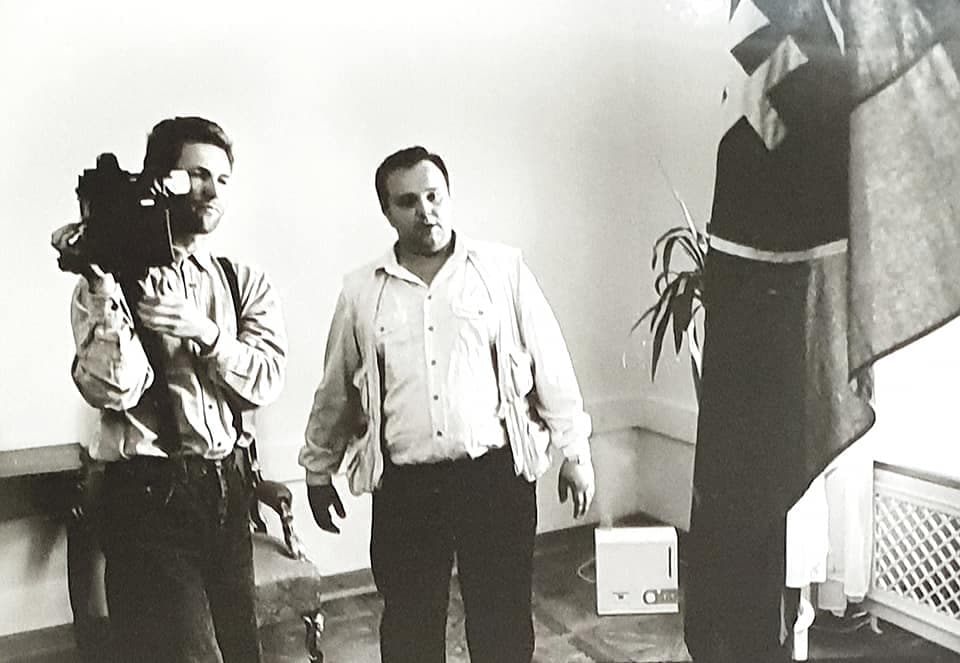
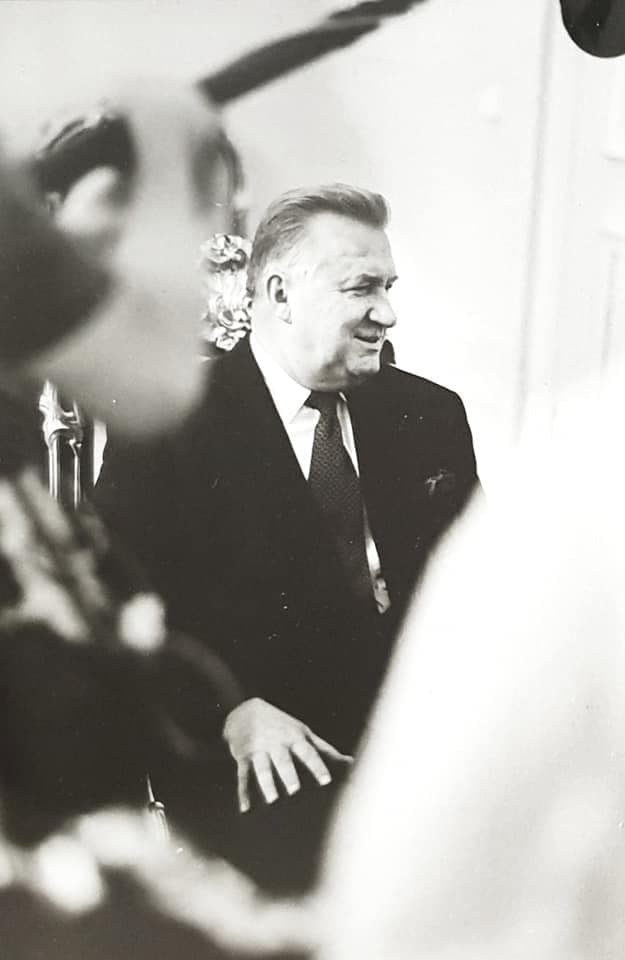
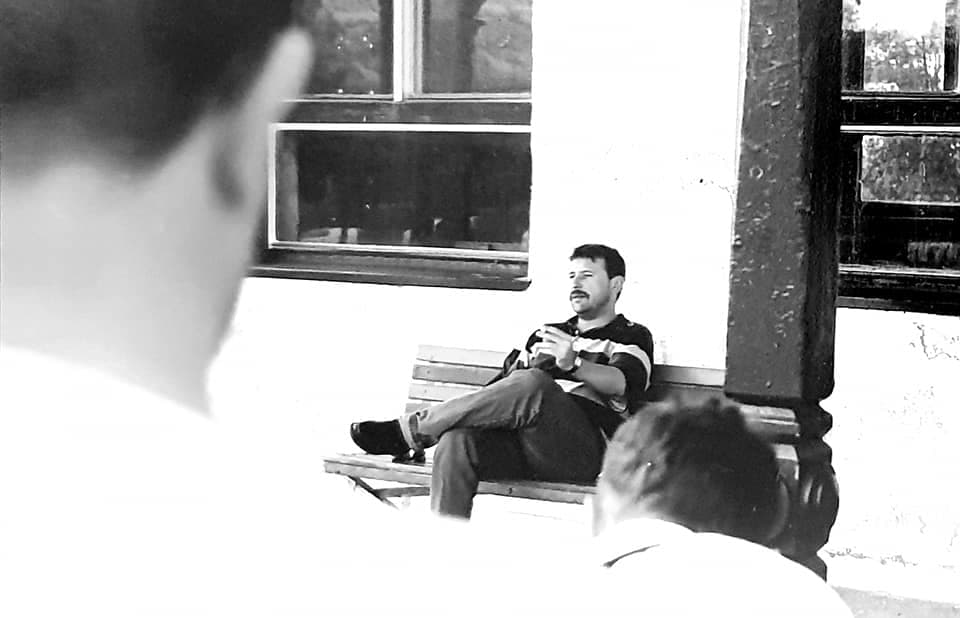
12 film portraits of people shaped by the era after 1989 — the year of political, economic and social change in Czechoslovakia.
Peter Weiss – politician (directed by Martin Hollý) Dušan Pašek – manager (directed by Vlado Balko) Vladimír Masár – banker (directed by Lenka Moravčíková) Ján Kasper – head of an advertising agency (directed by Miro Šindelka) Michal Sýkora – mayor (directed by Vlado Balco) Zora Czoborová – fitness champion (directed by Dušan Milko) Pavol Rusko – head of a commercial television station (directed by Vlado Balko) Ivana Christová – model (directed by Miro Šindelka) Jaroslav Nemčík – financier (directed by Miro Šindelka) Rasťo Piško – humorist (directed by Vlado Balko) Anna Nagyová – businesswoman (directed by Vlado Balko) Iveta Malachovská – TV presenter (directed by Vlado Balko)
- Miro Šindelka
- Komunálna poisťovňa a.s.
- STS s.r.o. TV Markíza
- Film Factory
- Majo Hirc
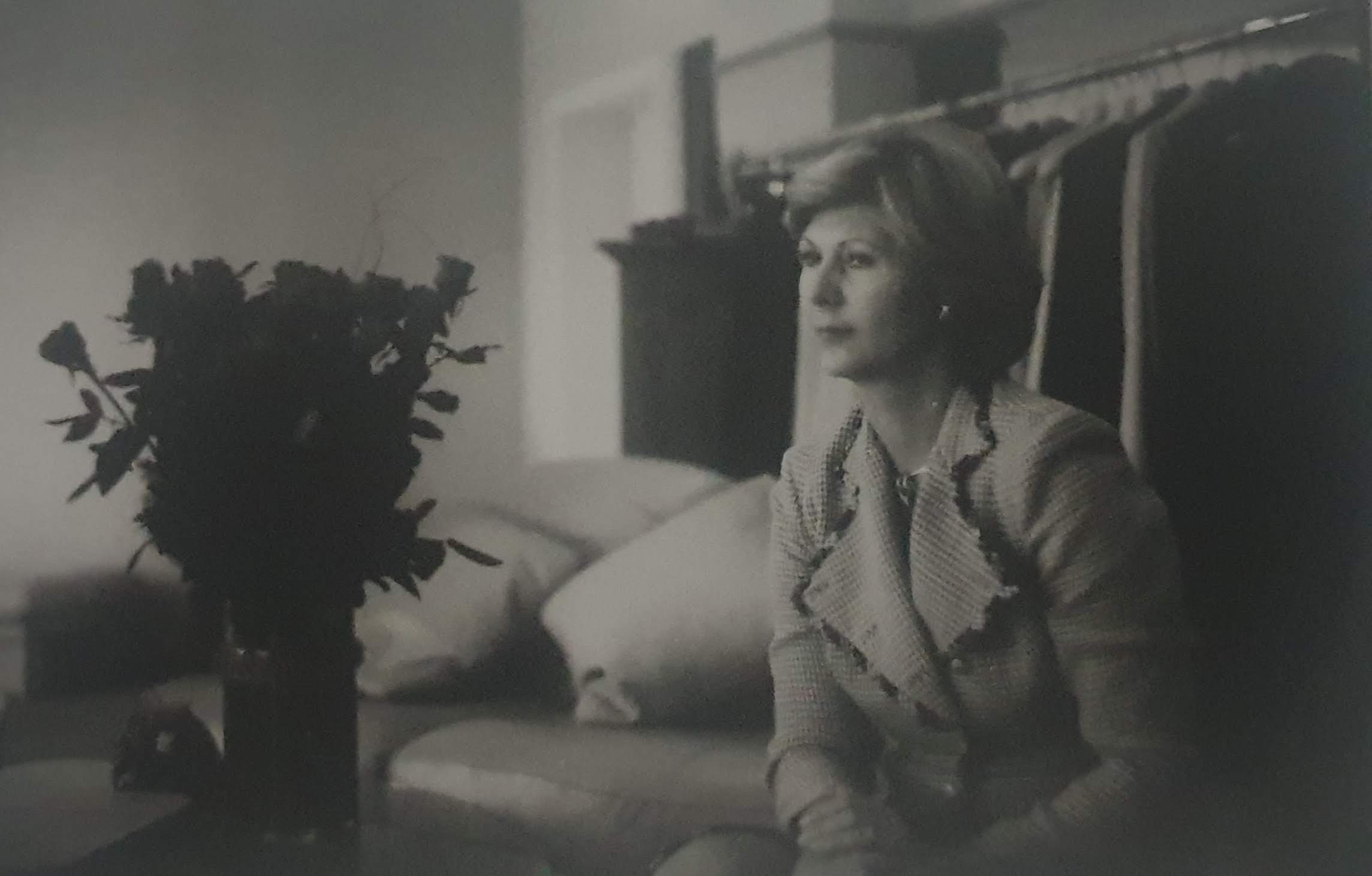
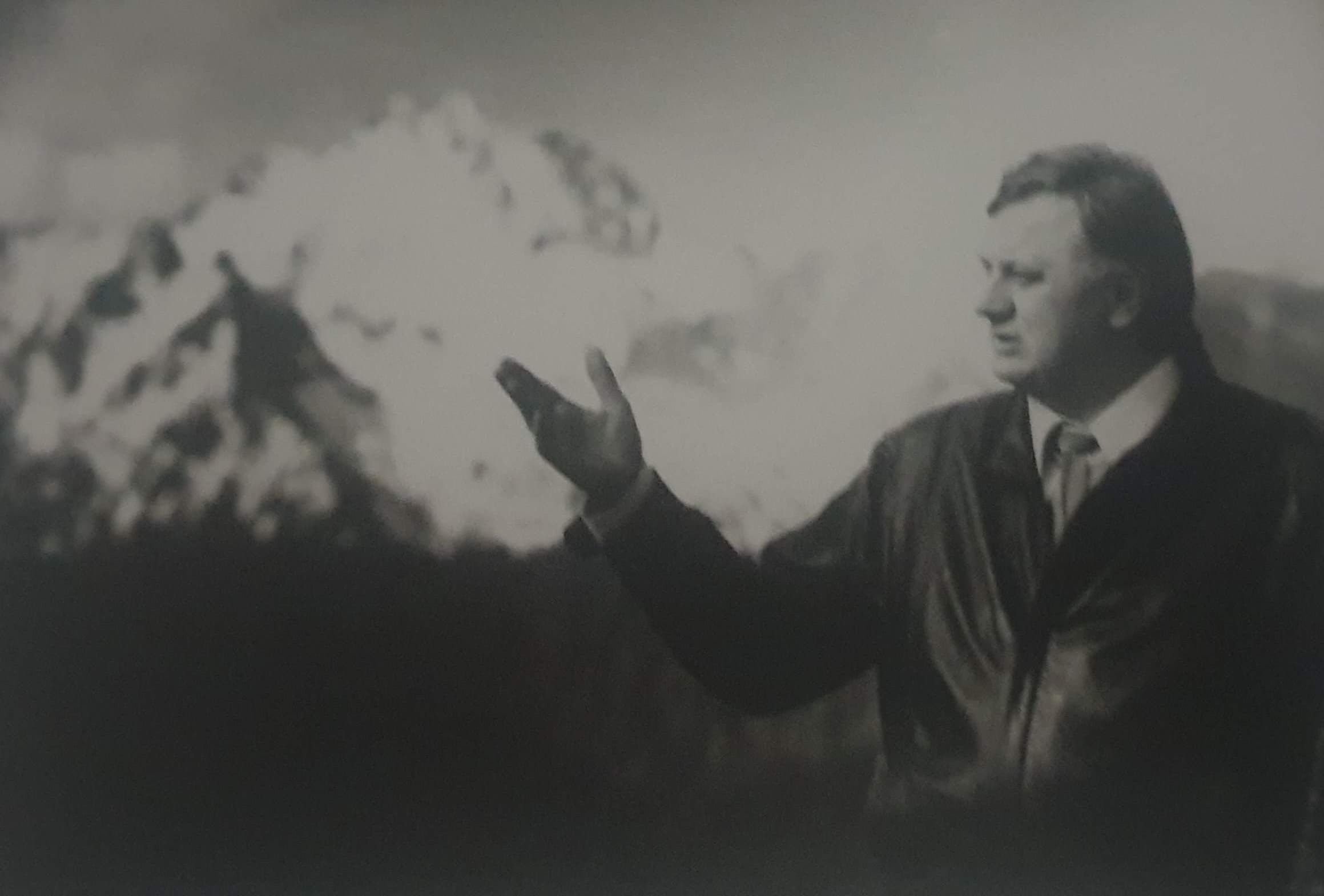
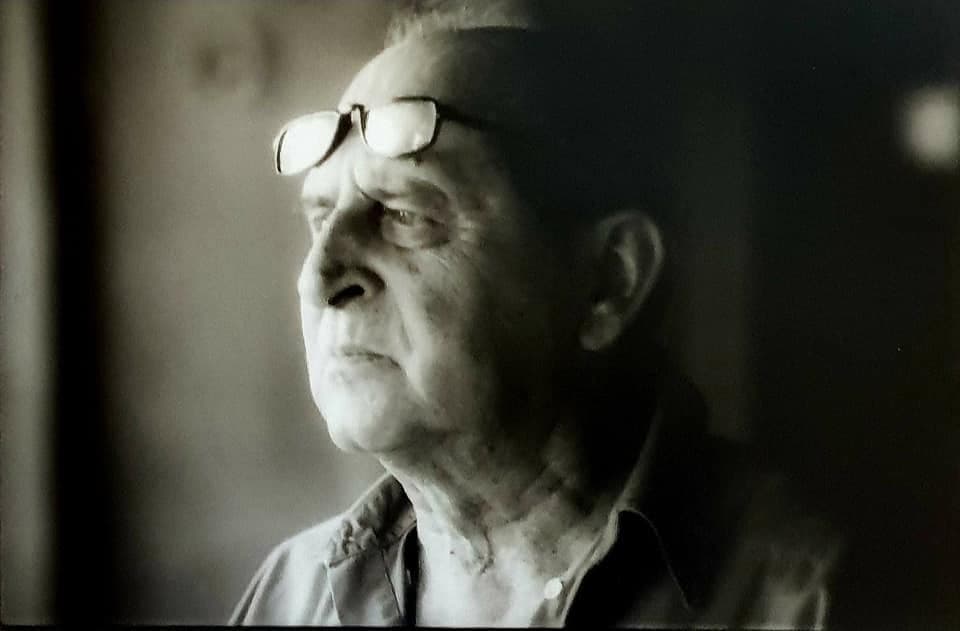
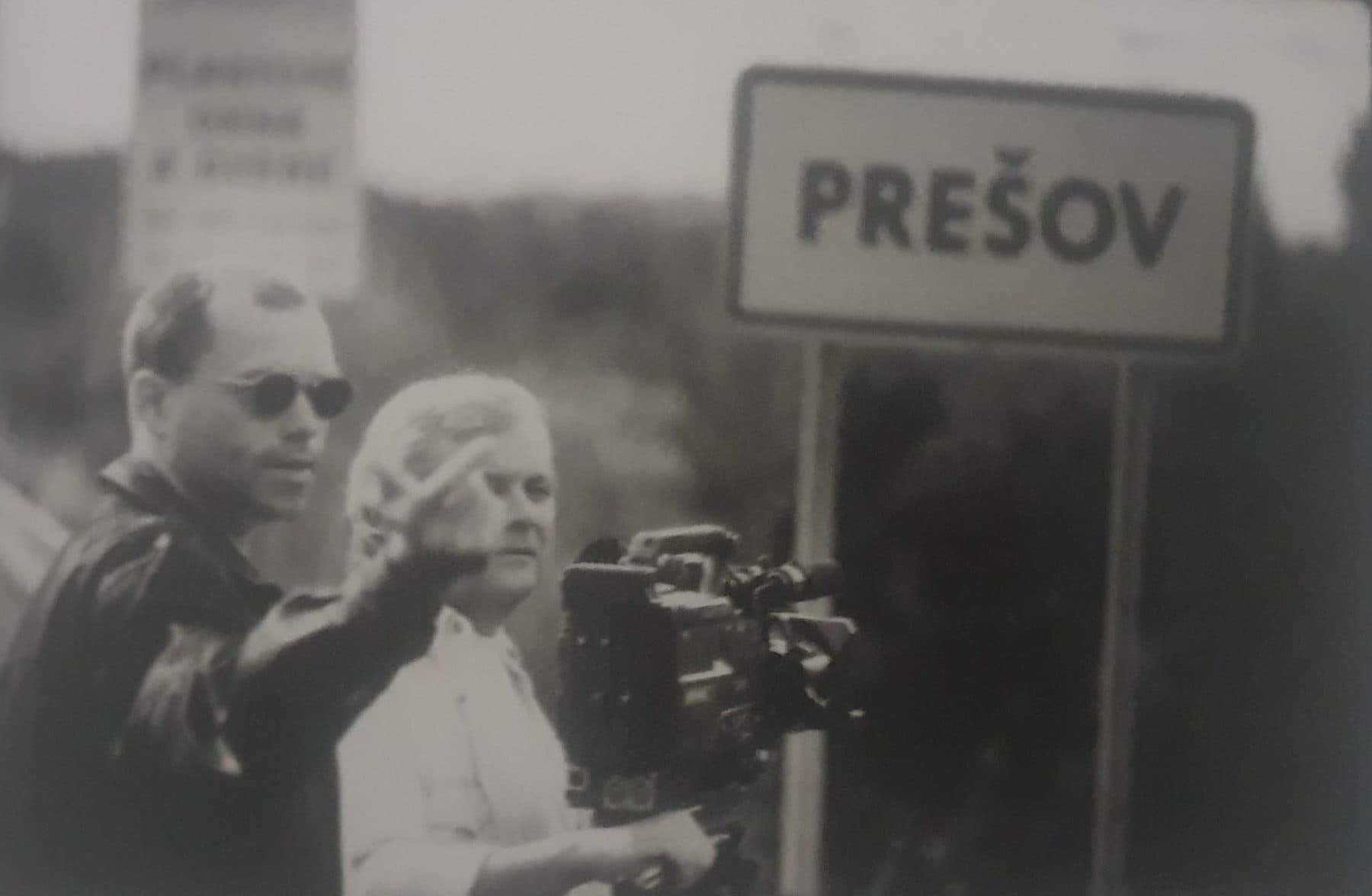
12 film portraits of people shaped by the era after 1989 — the year of political, economic and social change in Czechoslovakia.
Peter Tomka – diplomat (directed by Martin Hollý) Martina Valentová – playmate (directed by Vlado Balko) Ján Sucháň – priest (directed by Vlado Balco) Róbert Fico – politician (directed by Jaro Rihák) Peter Chudý – manager (Juraj Lehotský) Ľubo Roman – actor (Marek Šulík) Jozef Bednárik – director (Vlado Balko) Zuzana Kořínková – bodybuilder (directed by Štefan Semjan) Žigmund Pálffy – ice-hockey player (directed by Vlado Balko) Martina Moravcová – swimmer (directed by Miro Šindelka) Jozef Pročko – TV presenter (directed by Martin Knut) Jirko Malchárek – racing driver (directed by Pavol Bob)
- Miro Šindelka
- Komunálna poisťovňa a.s.
- STS s.r.o. TV Markíza
- Film Factory
2000Tri dni dokumentu
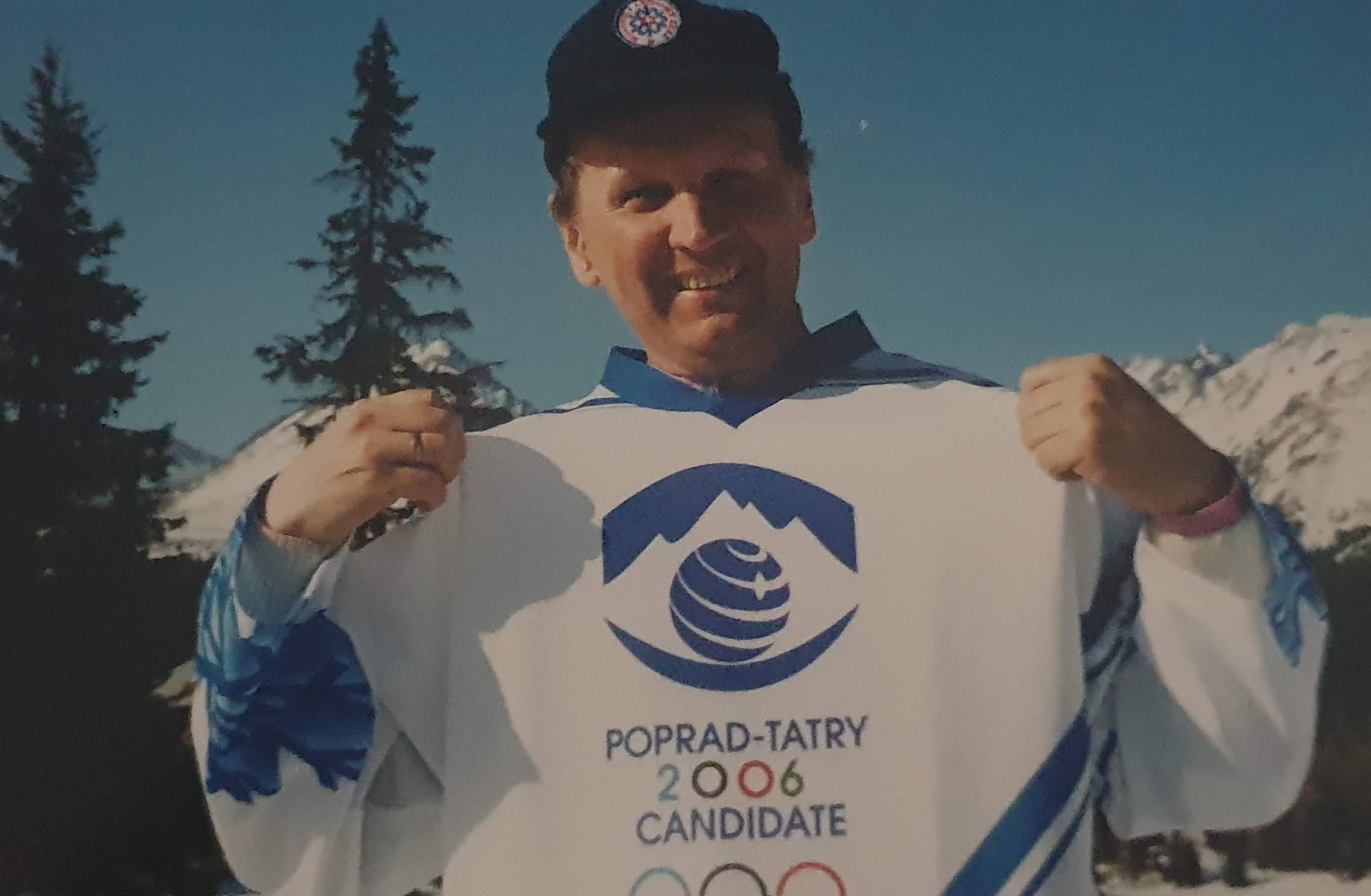
12 film portraits of people shaped by the era after 1989 — the year of political, economic and social change in Czechoslovakia.
Pavol Hrušovský – politician (directed by Martin Hollý) Daniel Krajcer – TV presenter (directed by Vlado Balco) Jozef Uhrík – head of a car manufacturer (directed by Stanislav Párnický) Ján Filc – ice-hockey coach (directed by Štefan Semjan) Juraj Stern – university rector (directed by Miro Šindelka) Ivan Bella – cosmonaut (directed by Juraj Johanides) Anton Srholec – priest (directed by Dušan Trančík) František Šulka – philanthropist (directed by Miro Šindelka) Sisa Sklovska – singer (directed by Martin Štrba) Juraj Kukura – actor (directed by Juraj Lehotský) Michal Martikán – whitewater canoeist (directed by Ján Piroh) Jozef Gönci – shooter (directed by Juraj Nvota)
- Miro Šindelka
- Komunálna poisťovňa a.s.
- STS s.r.o. TV Markíza
- Film Factory
20012 a pol dňa dokumentu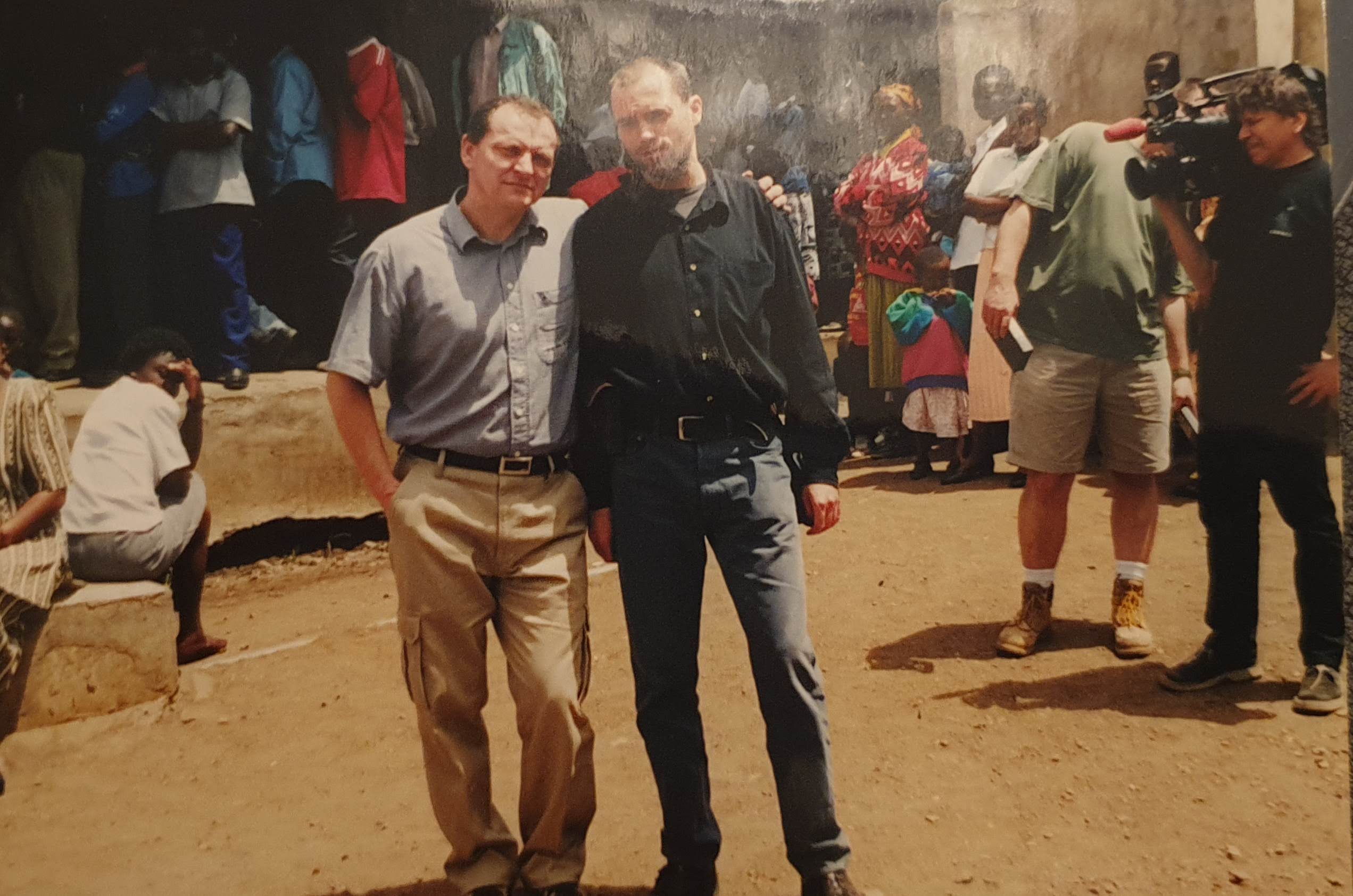
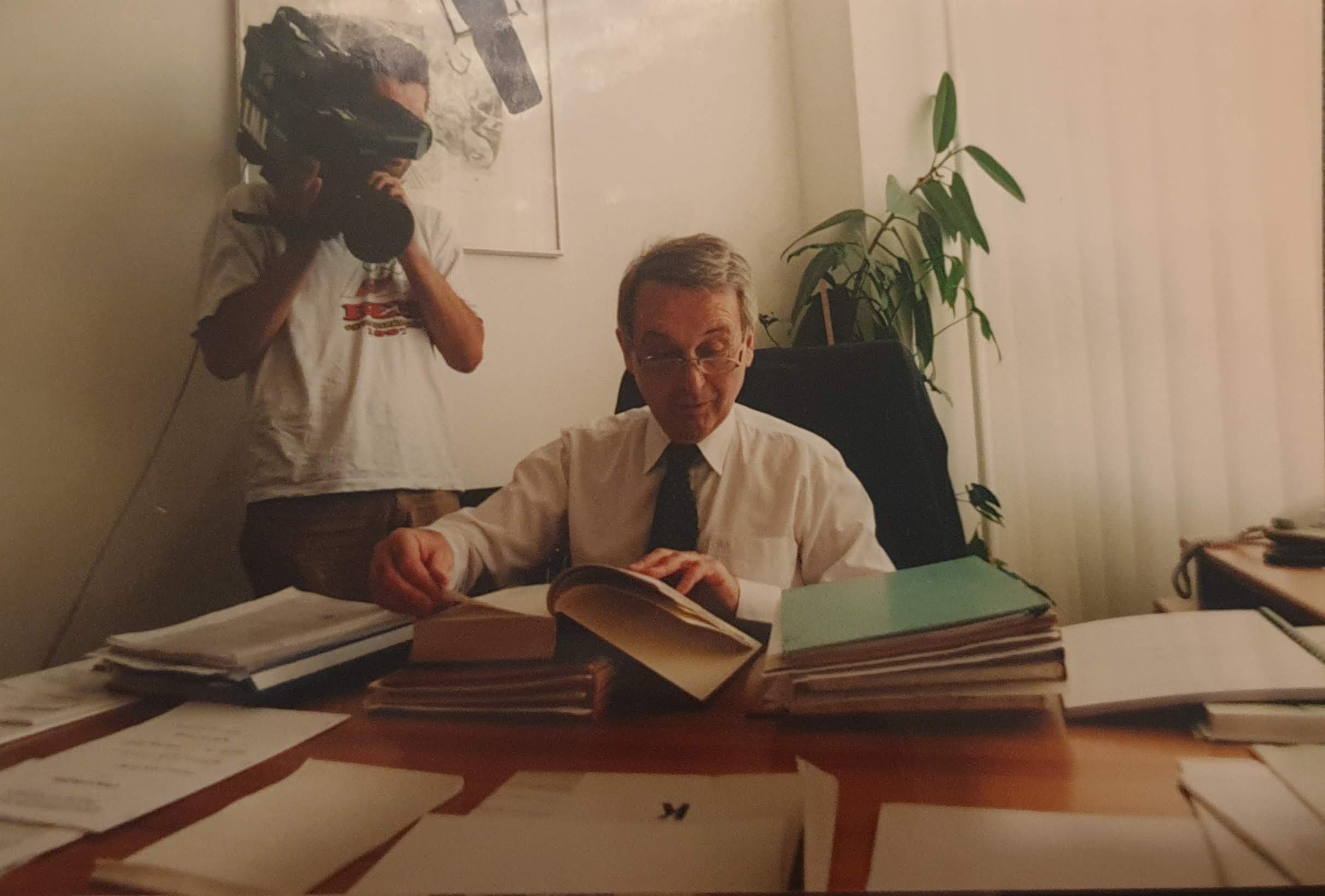
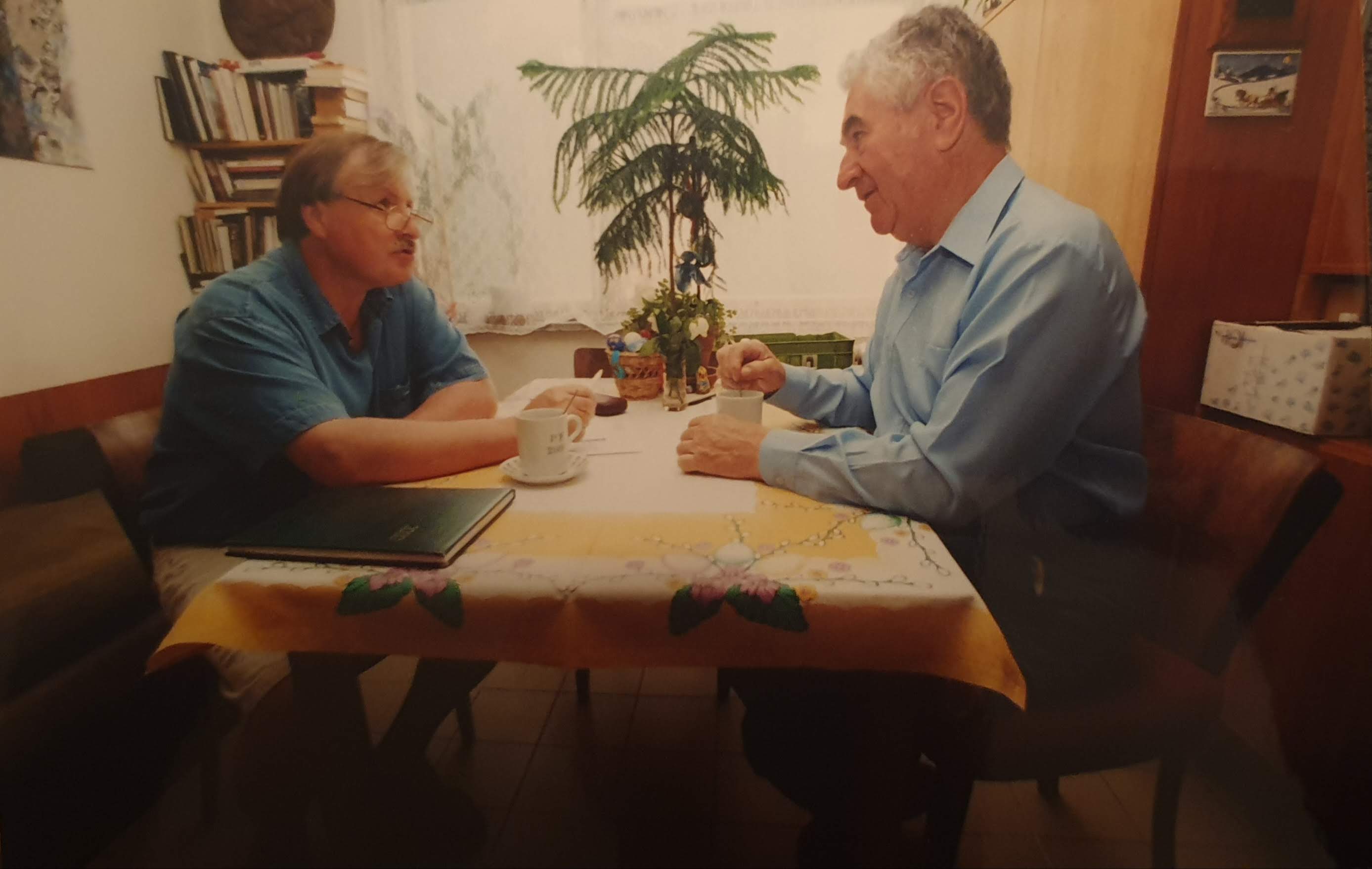
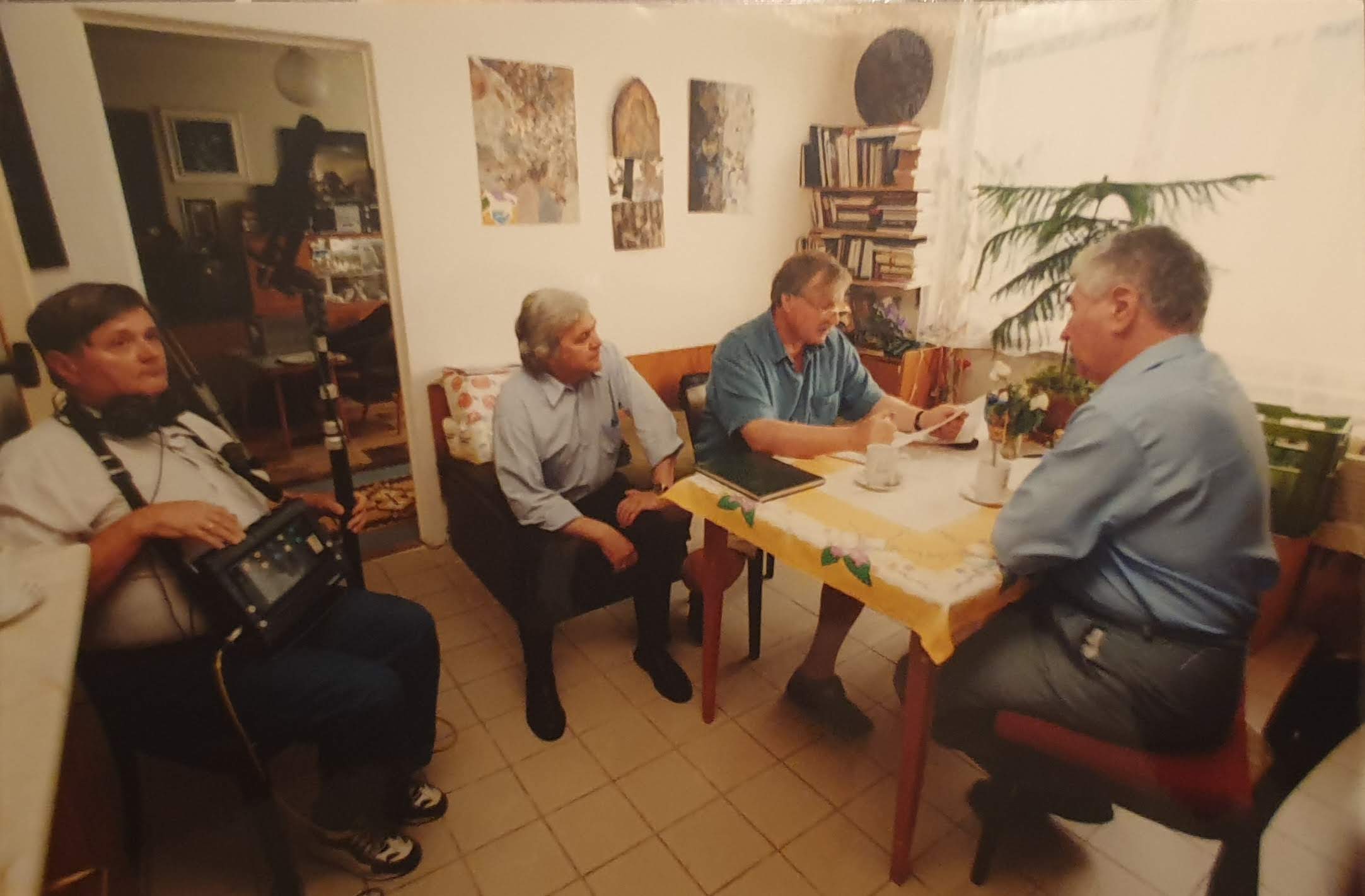
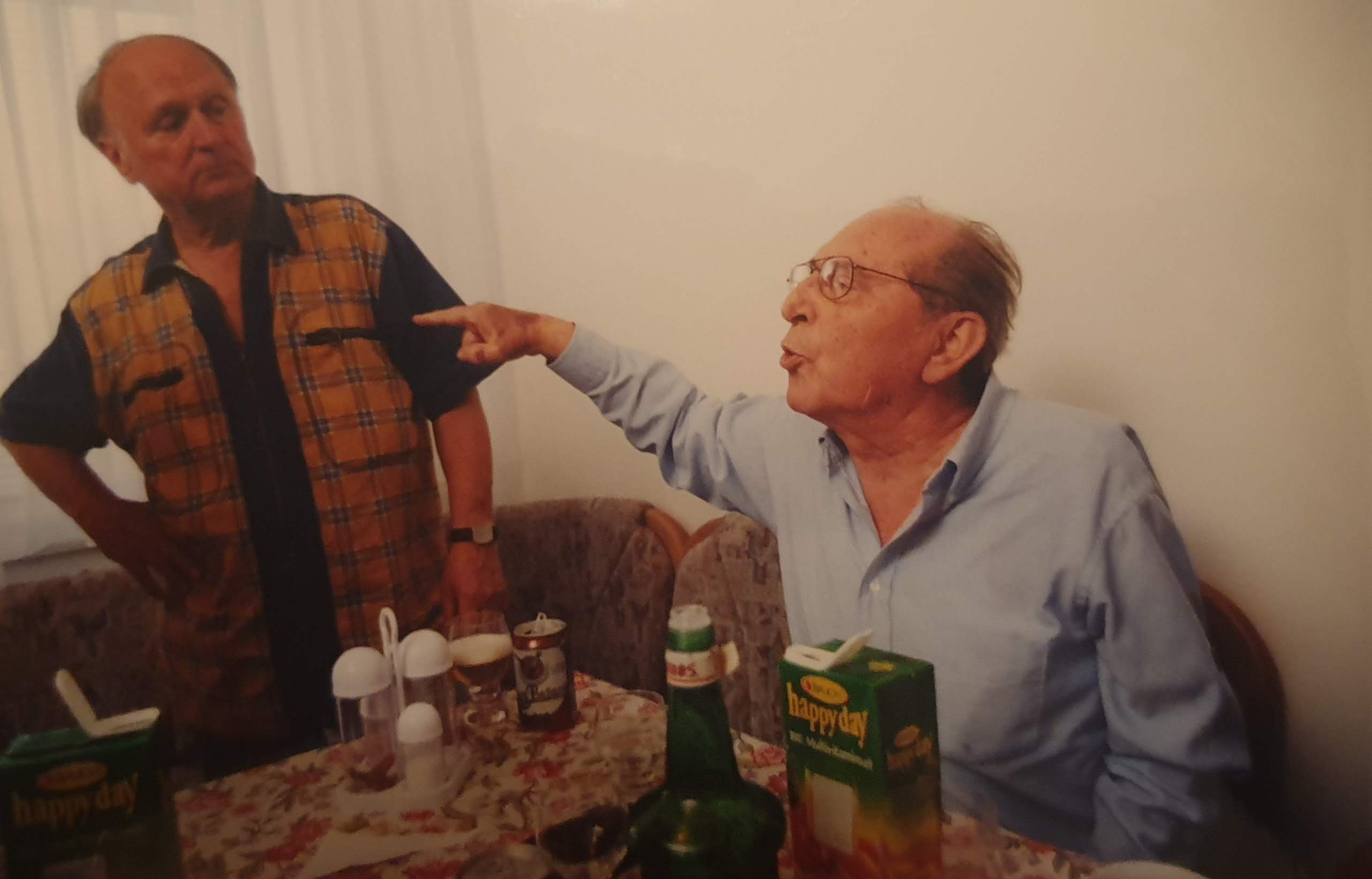
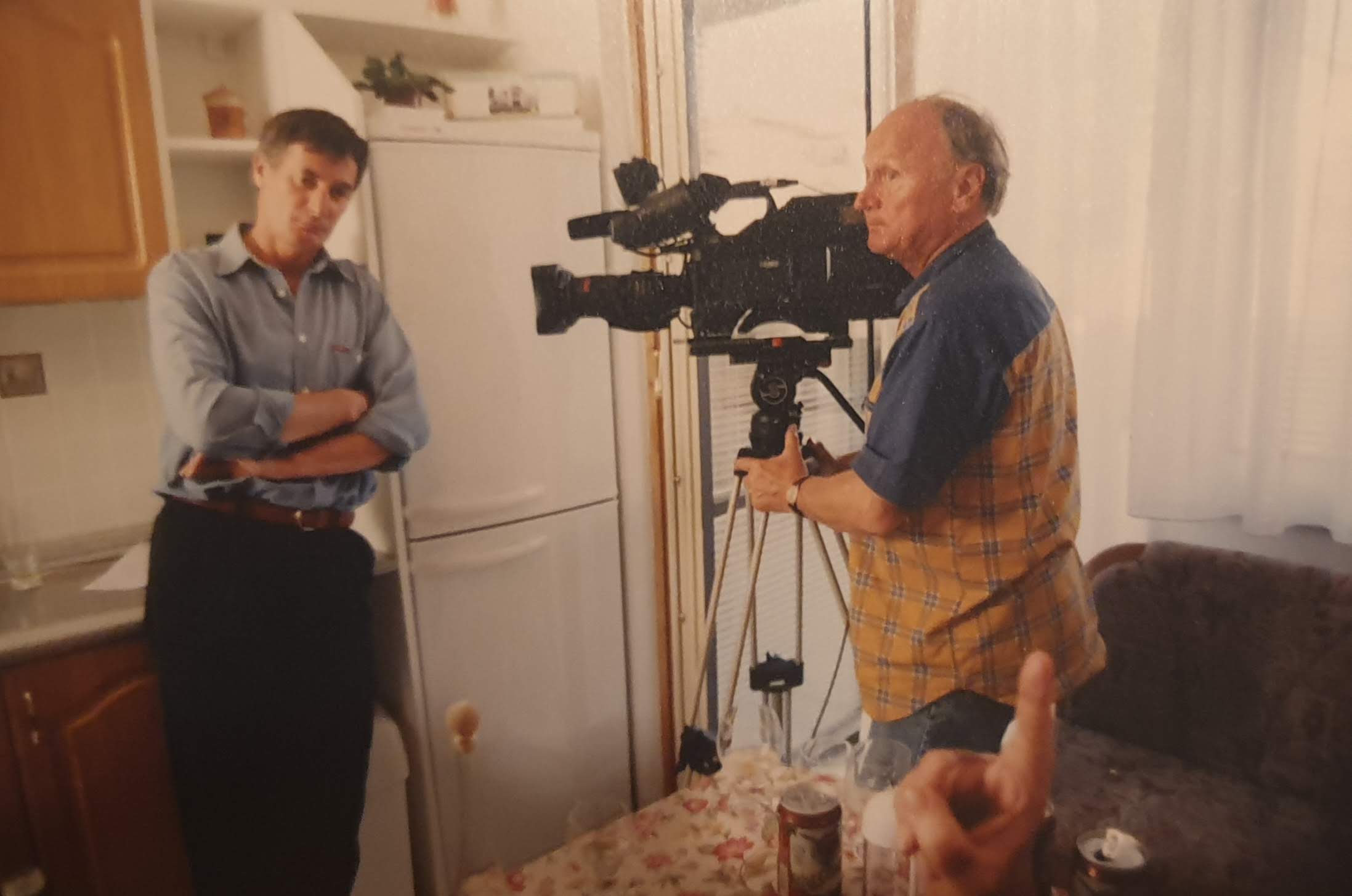
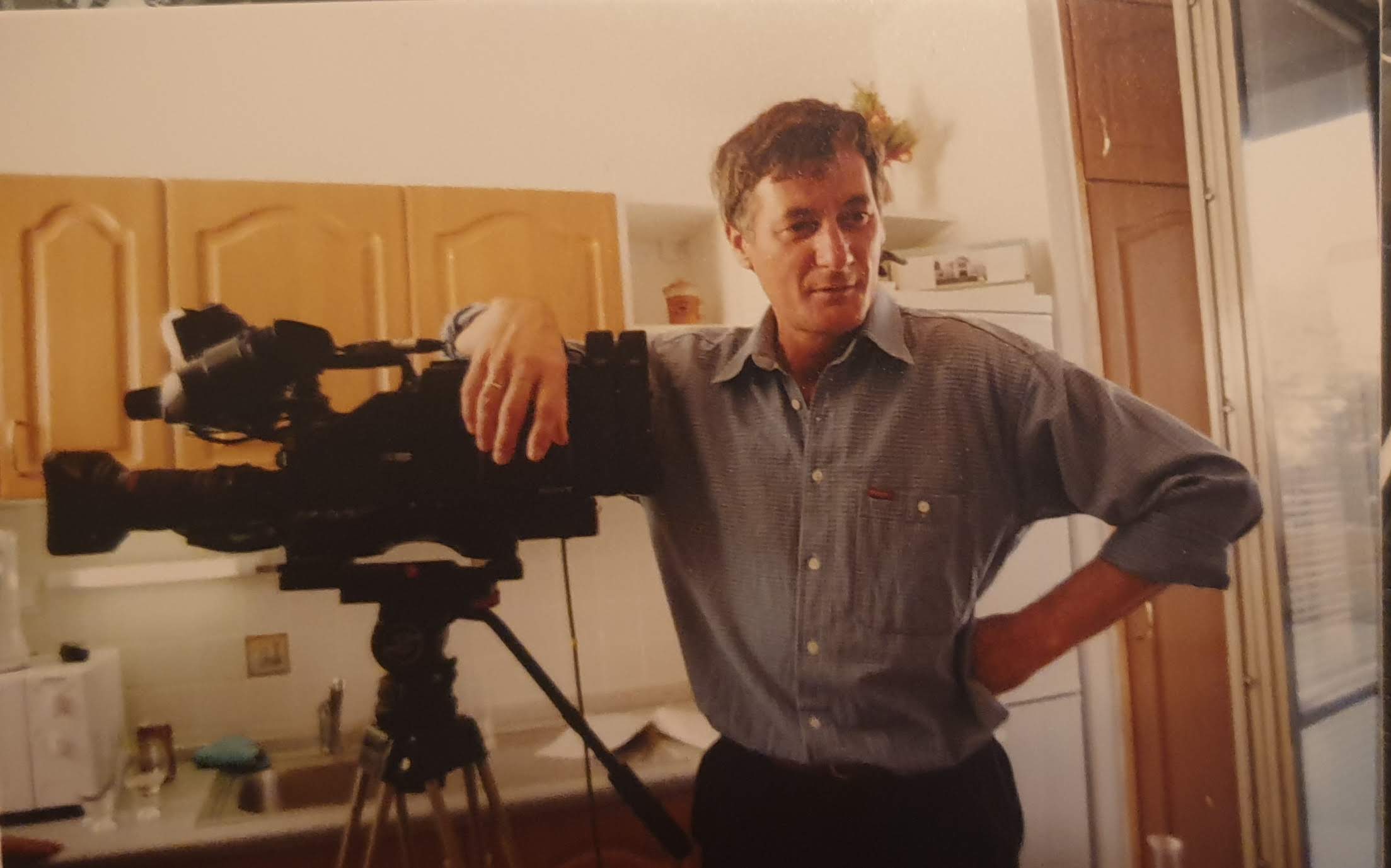
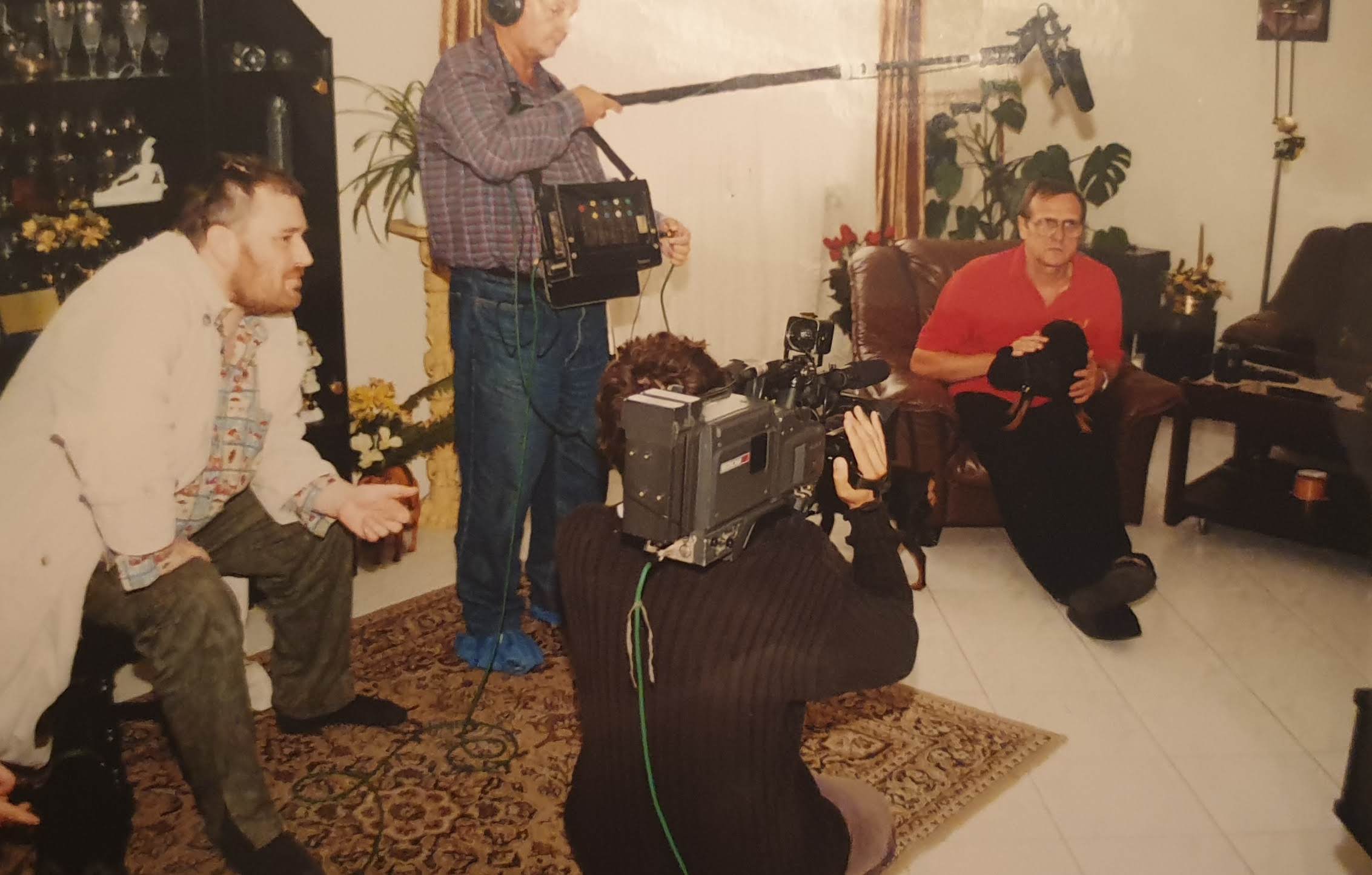
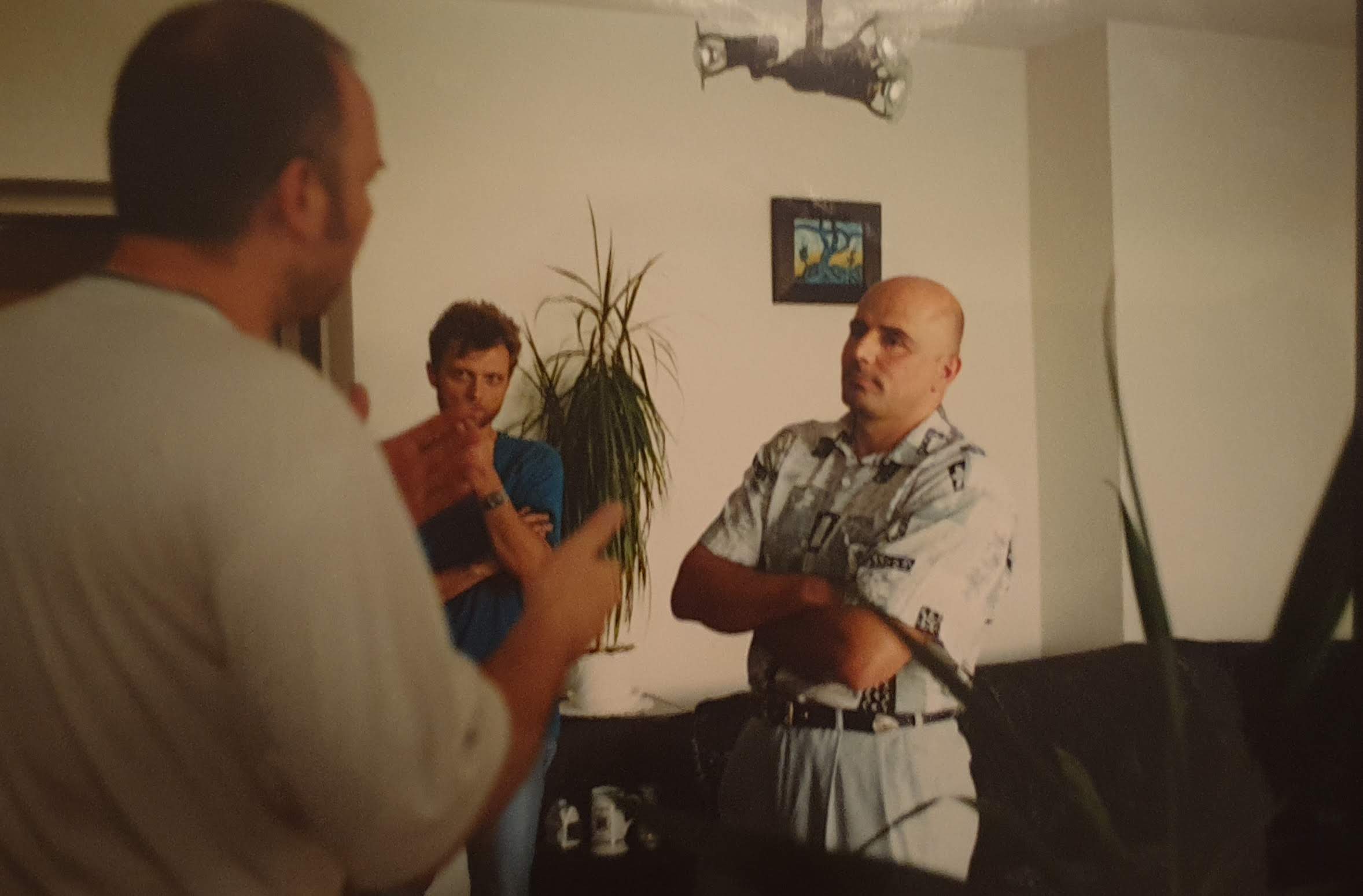
12 film portraits of people shaped by the era after 1989 — the year of political, economic and social change in Czechoslovakia.
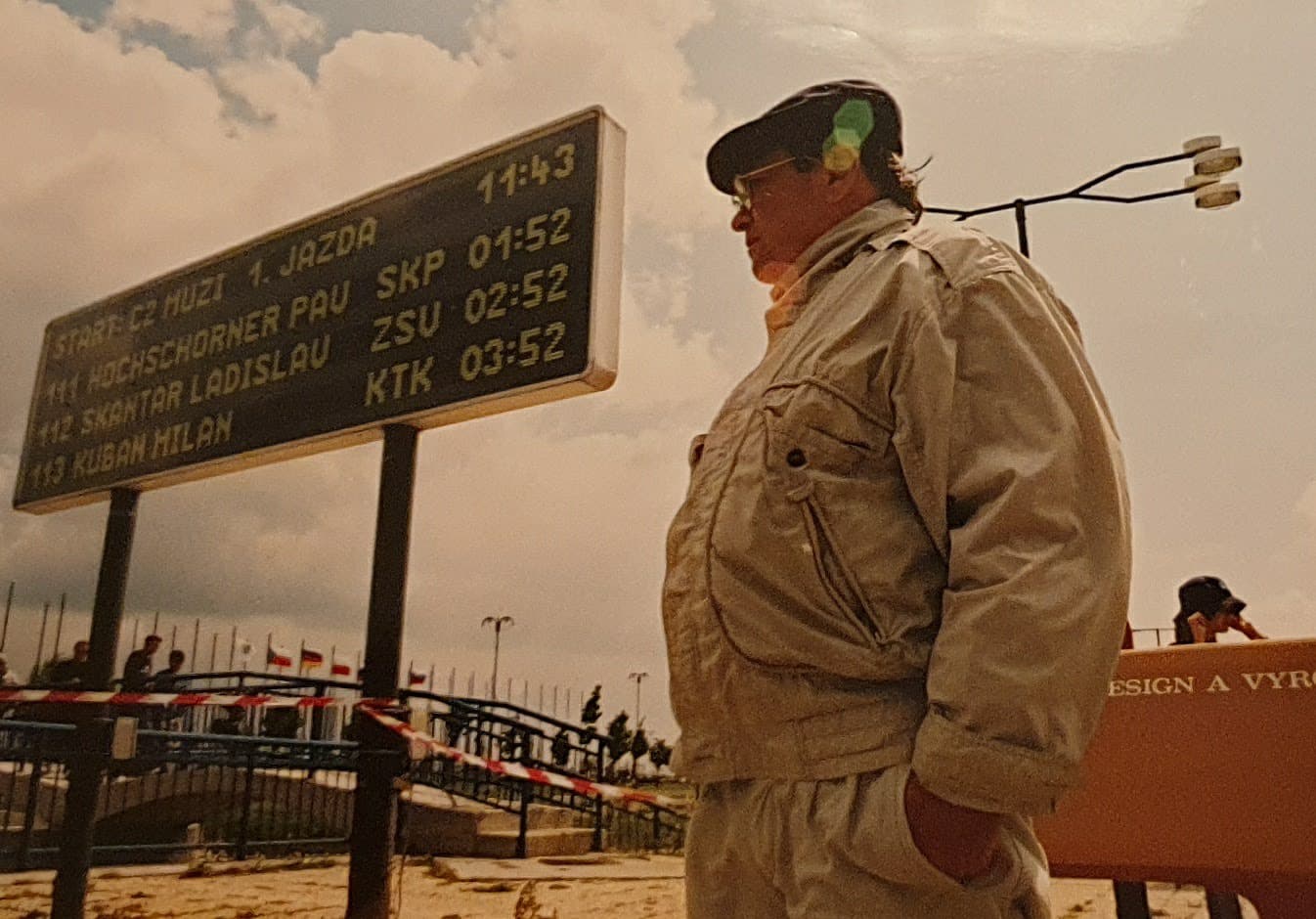
Jozef Banáš – politician (directed by Martin Hollý) Ján Jursa – diplomat (directed by Pavol Jursa) Patrik Dubovský – activist (directed by Juraj Johanides) Baruch Myers – rabbi (directed by Juraj Jakubisko) Fedor Malík – winemaker (directed by Stanislav Párnický) Martin Kusý – architect (directed by Ján Opárty) Pavol Mikulík – actor (directed by Dušan Trančík) Martin Hollý – director (directed by Juraj Lehotský) Aneta Parišková – TV presenter (directed by Jana Pirohová) Tibor Huszár – photographer (directed by Vlado Balco) Peter Šťastný – ice-hockey player (directed by Miro Šindelka) Peter and Pavol Hochschorner – canoeists (directed by Juraj Lihosit)
- Miro Šindelka
- Komunálna poisťovňa a.s.
- STS s.r.o. TV Markíza
- Film Factory
20012 a pol dňa dokumentu2001Fotografia na2002Febio Fest2002X. Artfilm
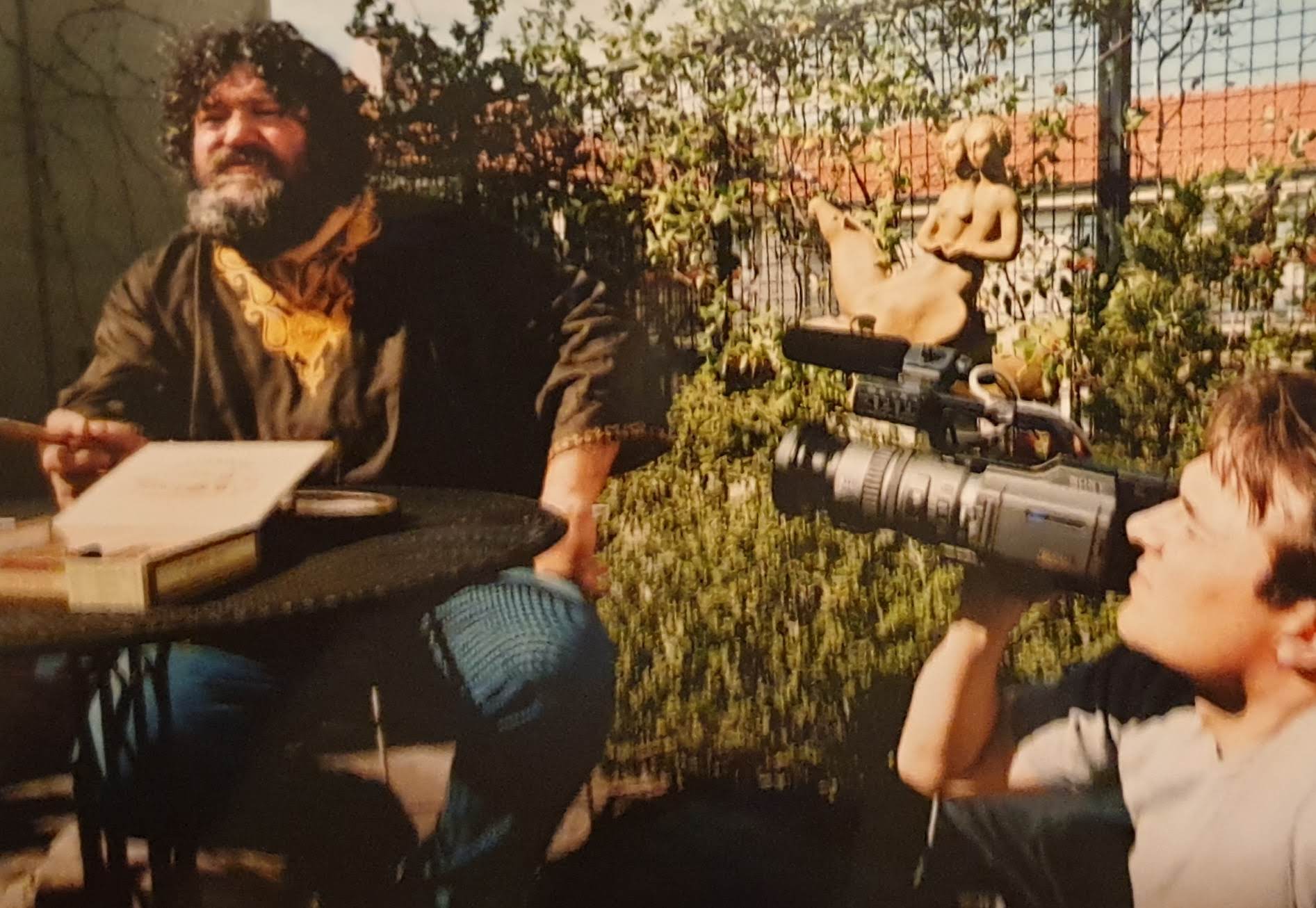
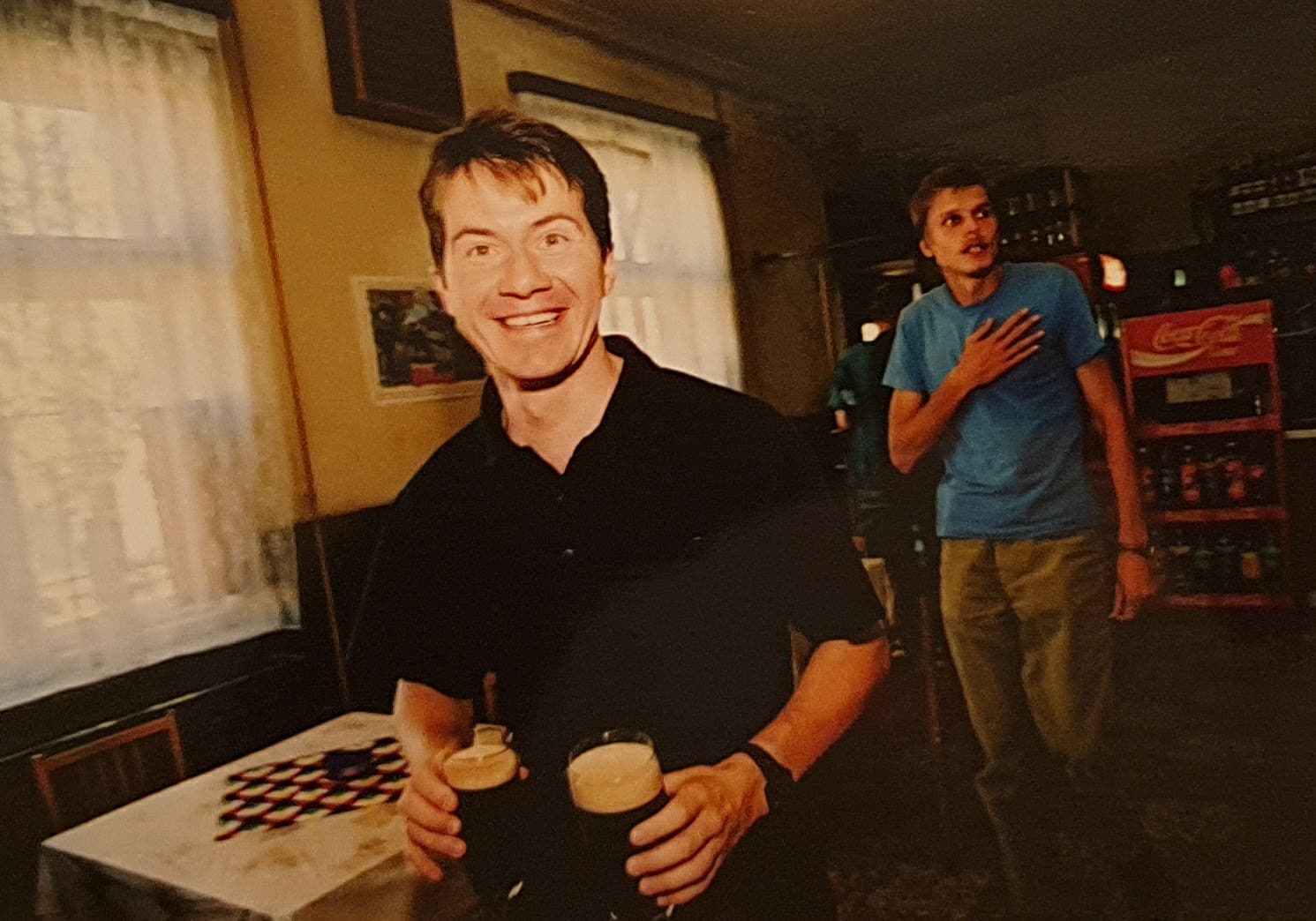
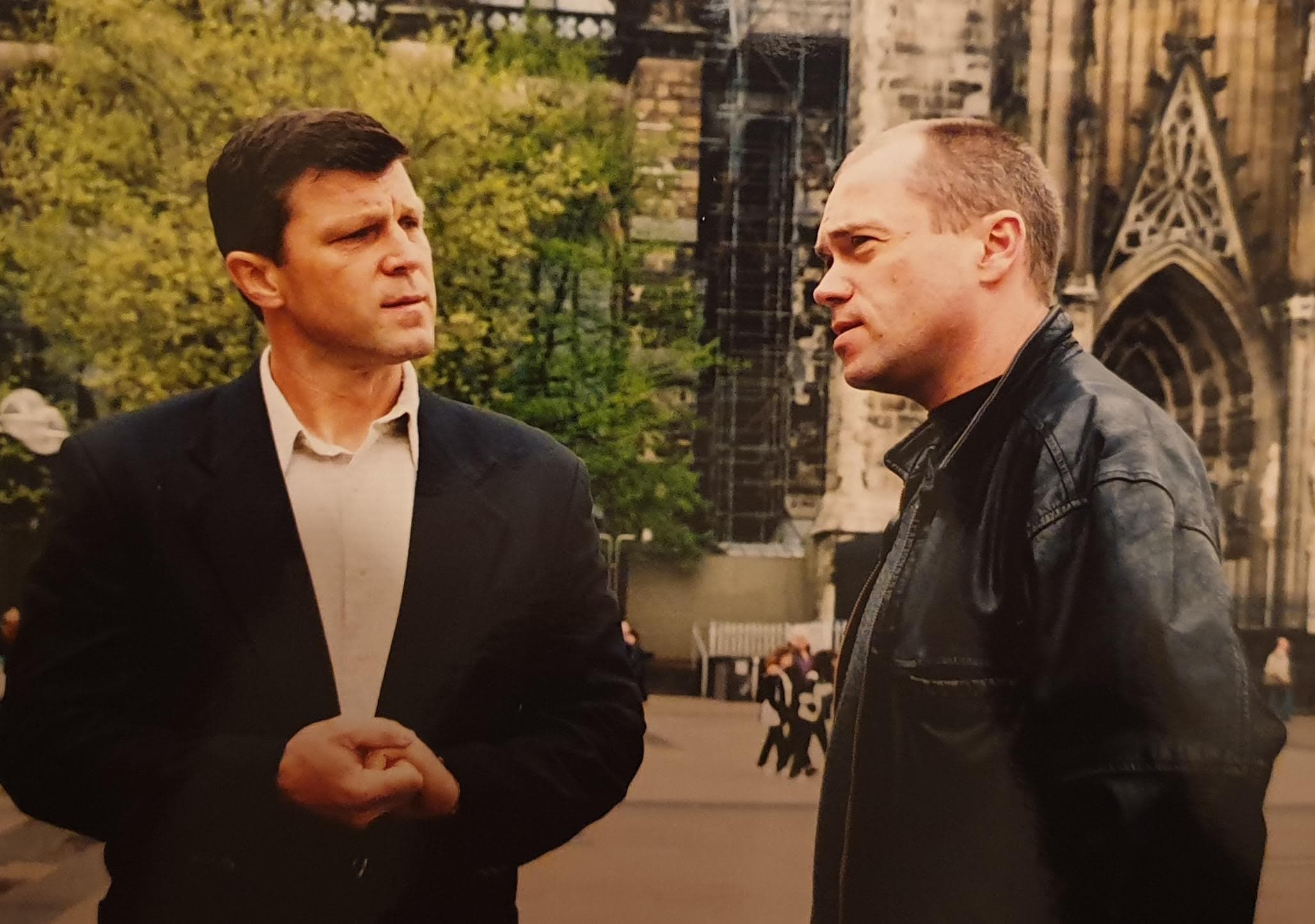
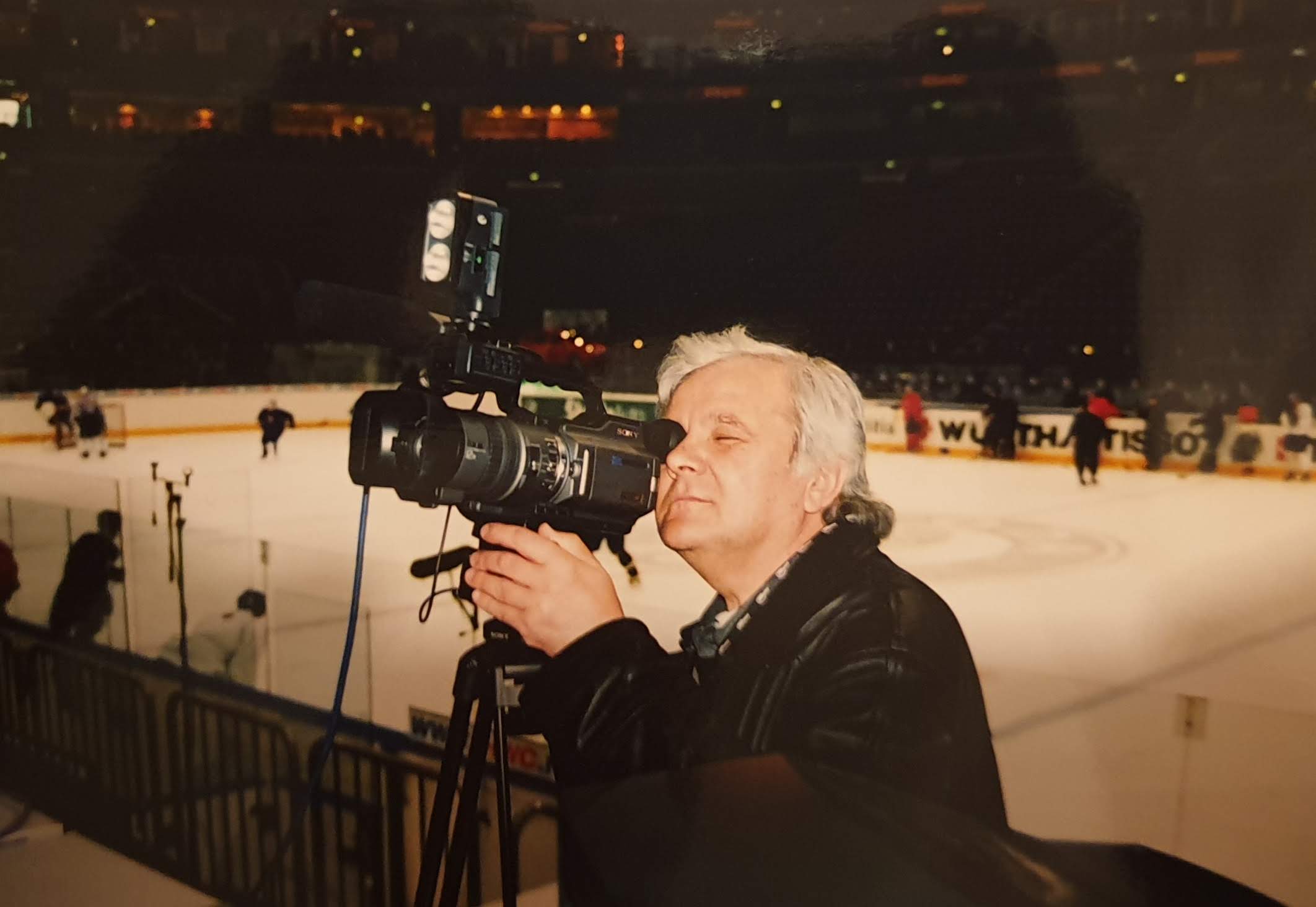
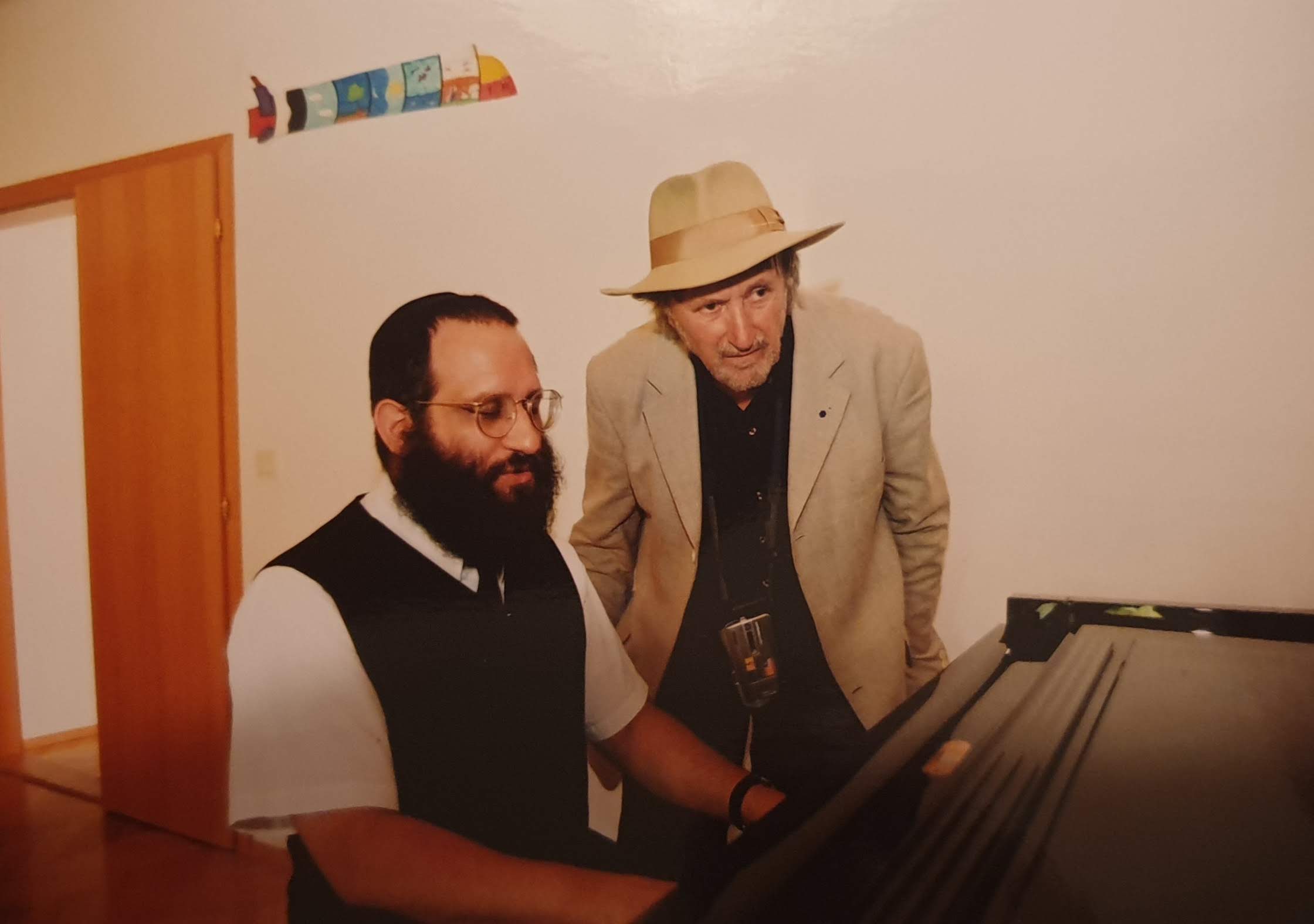
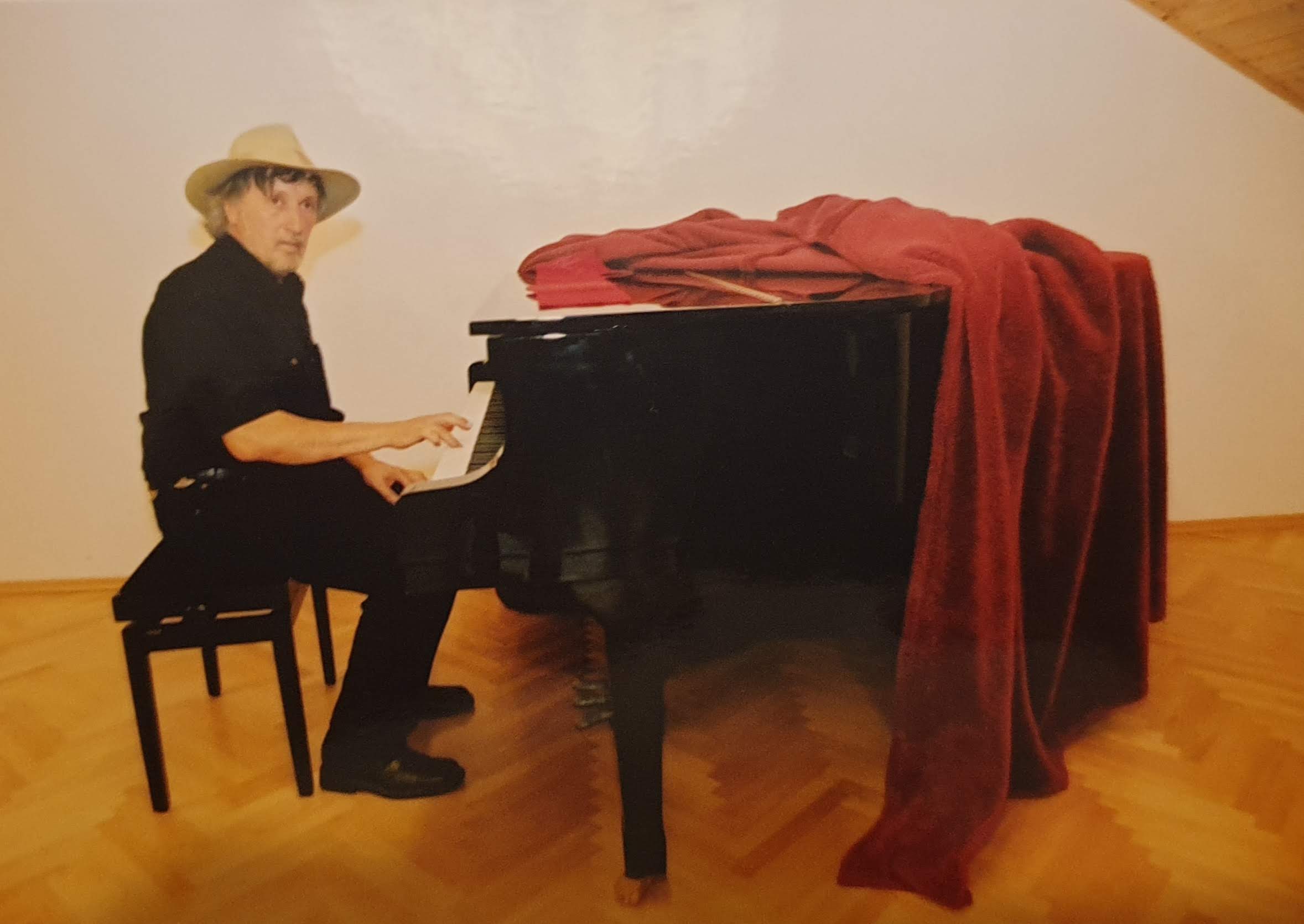
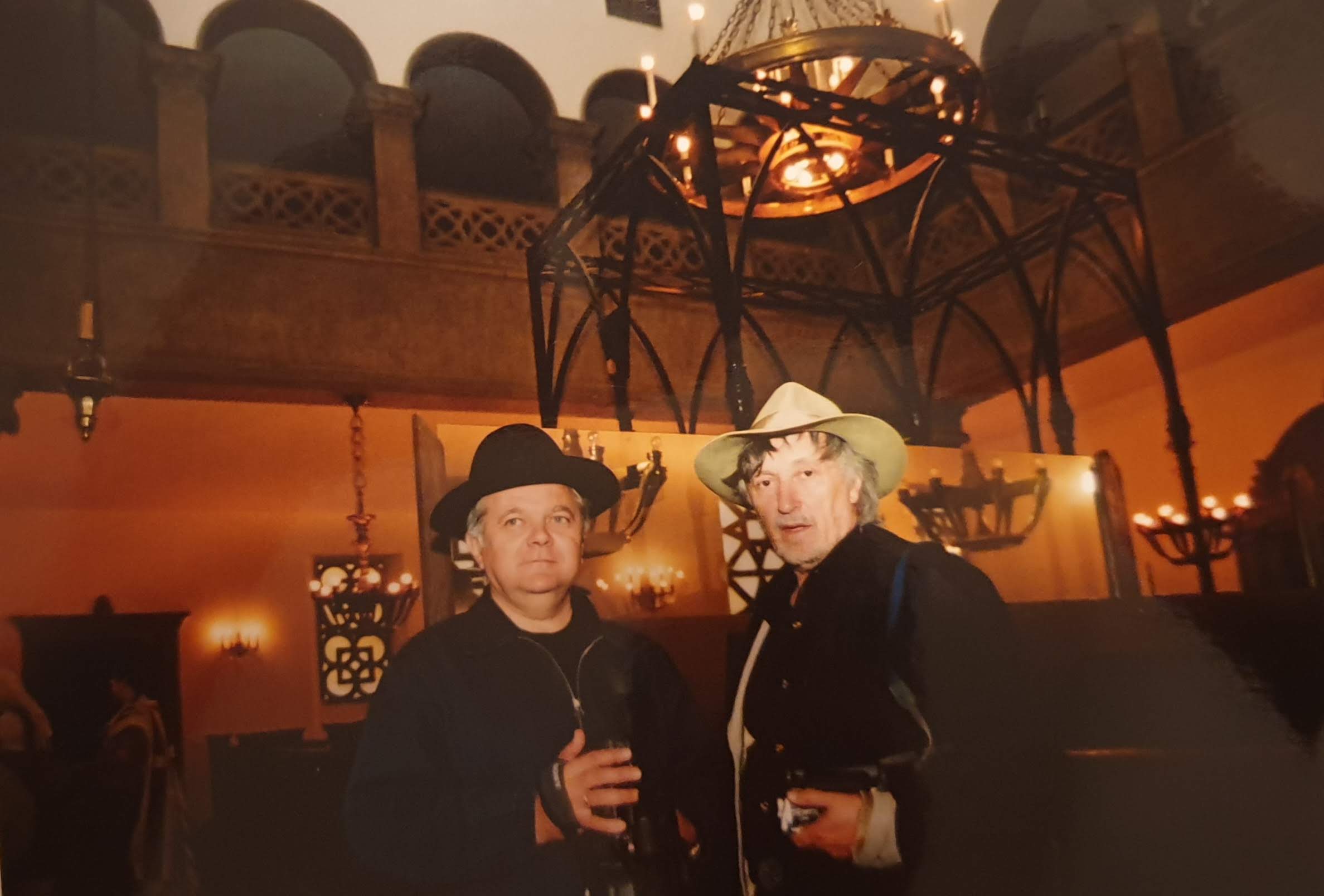
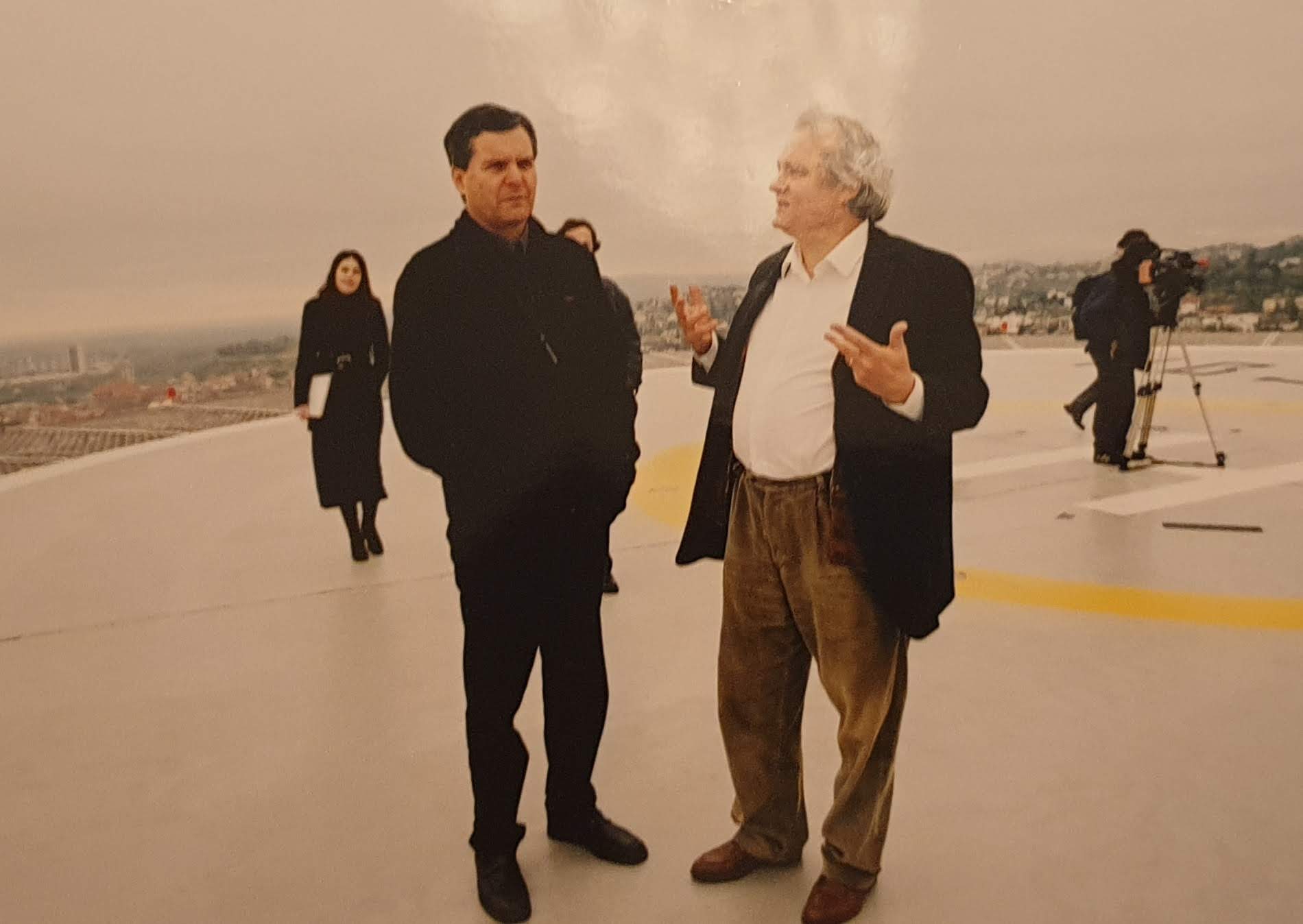
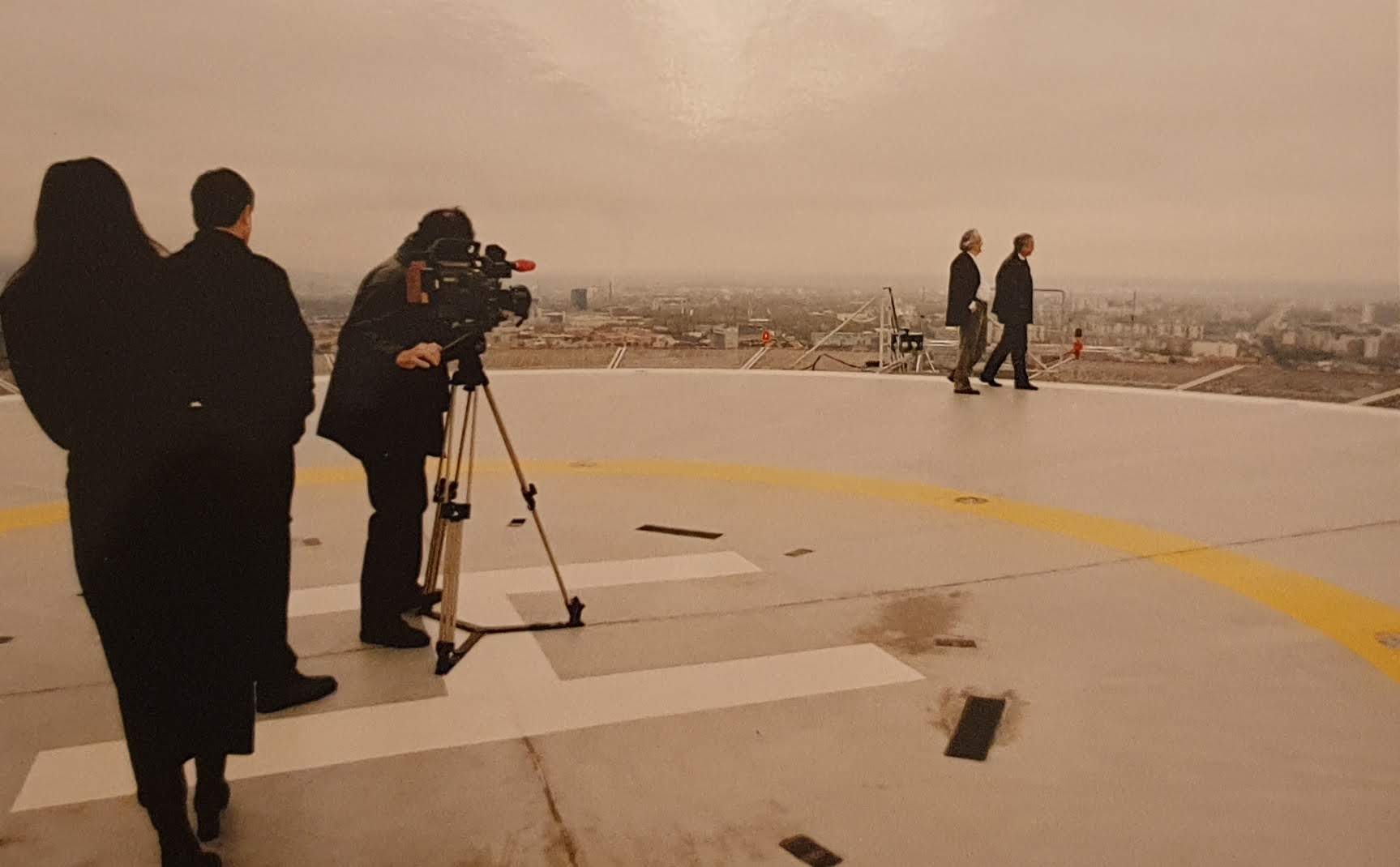
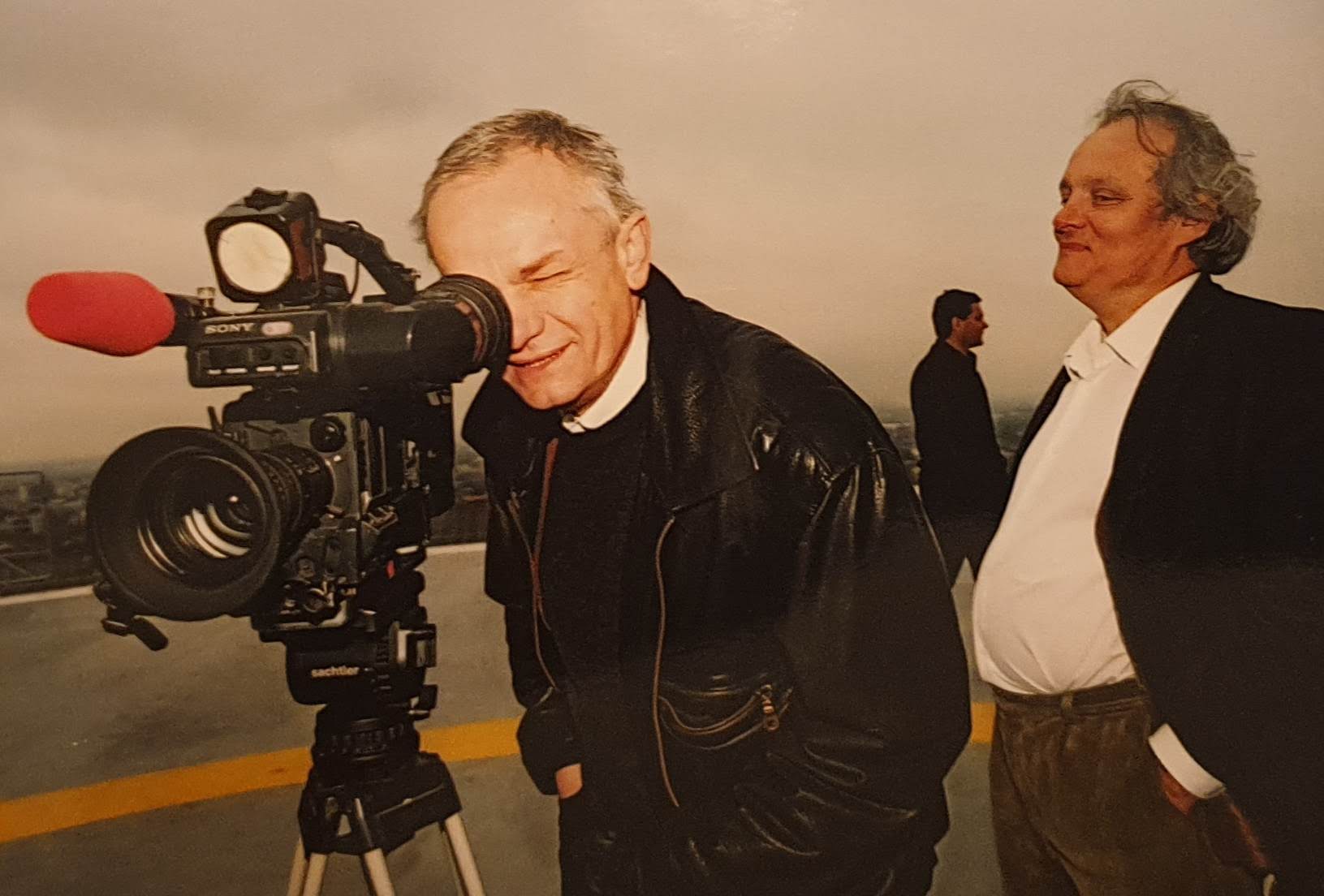
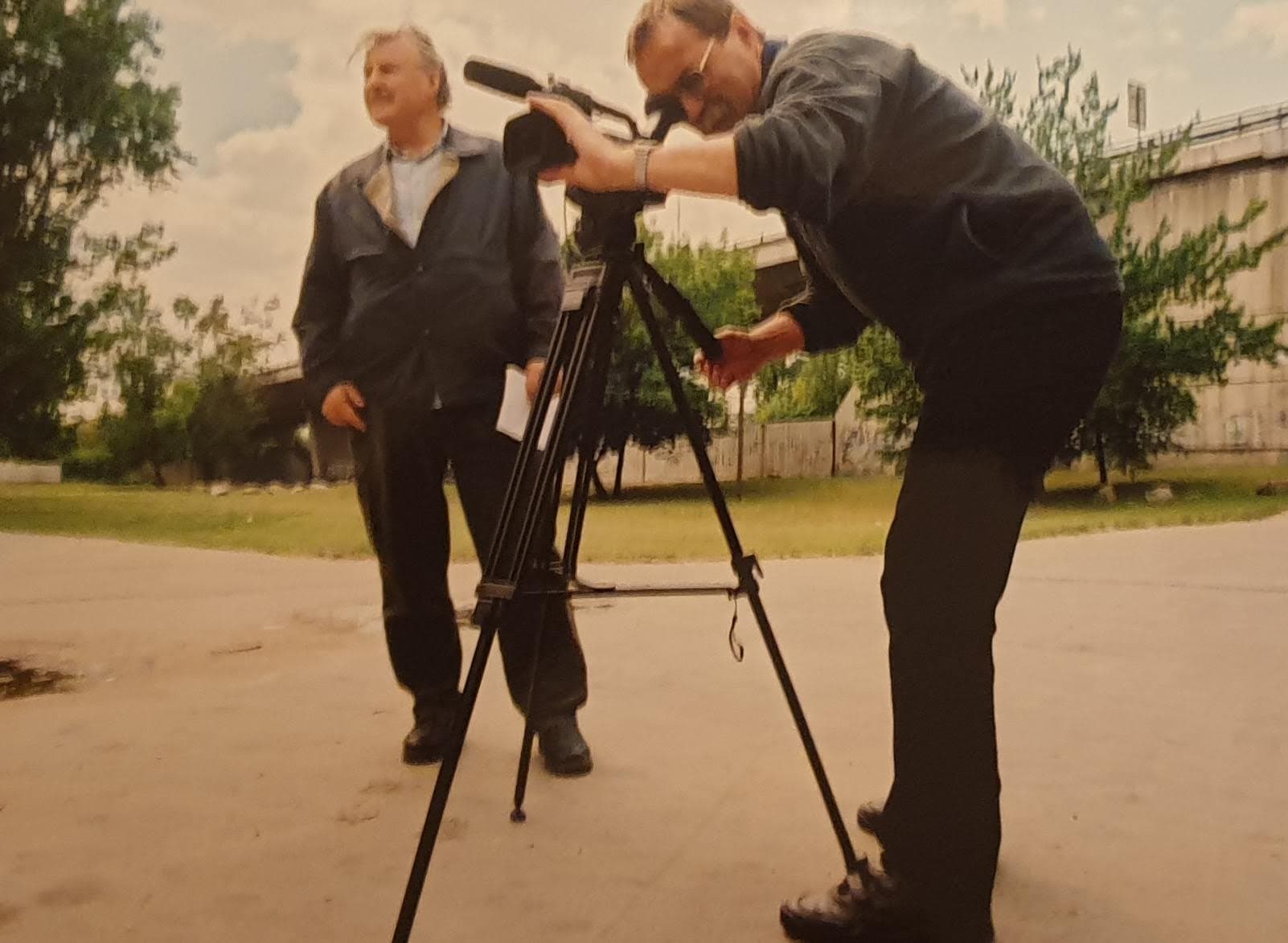
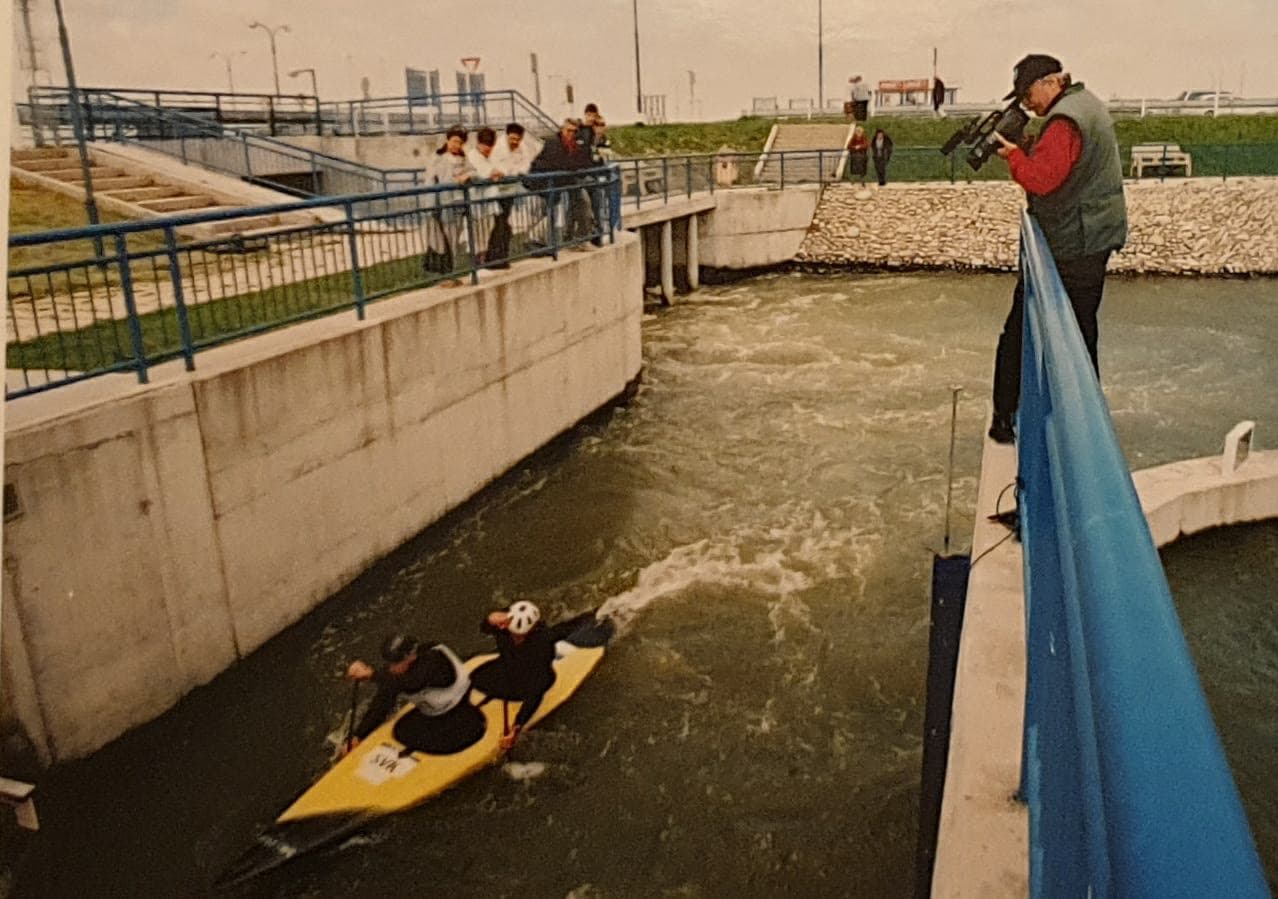
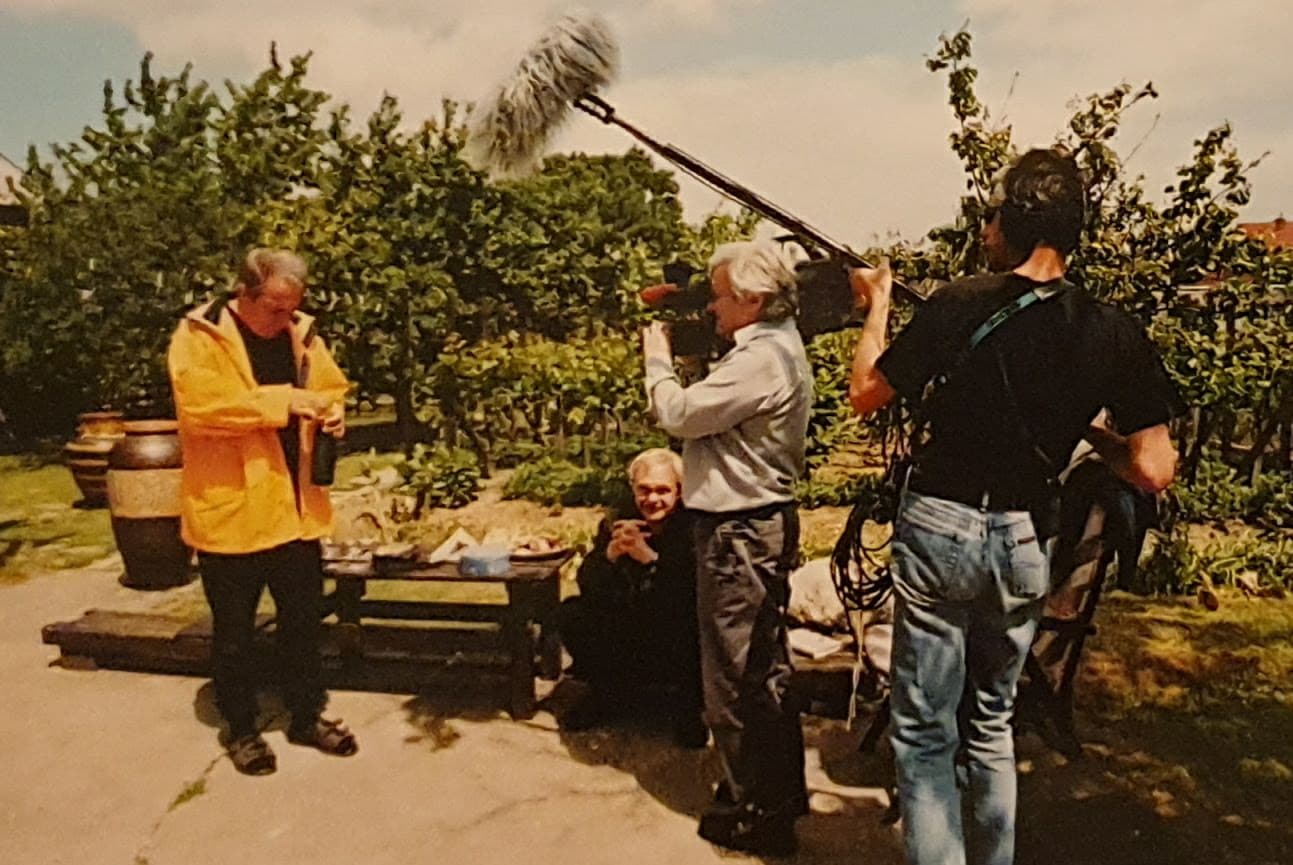
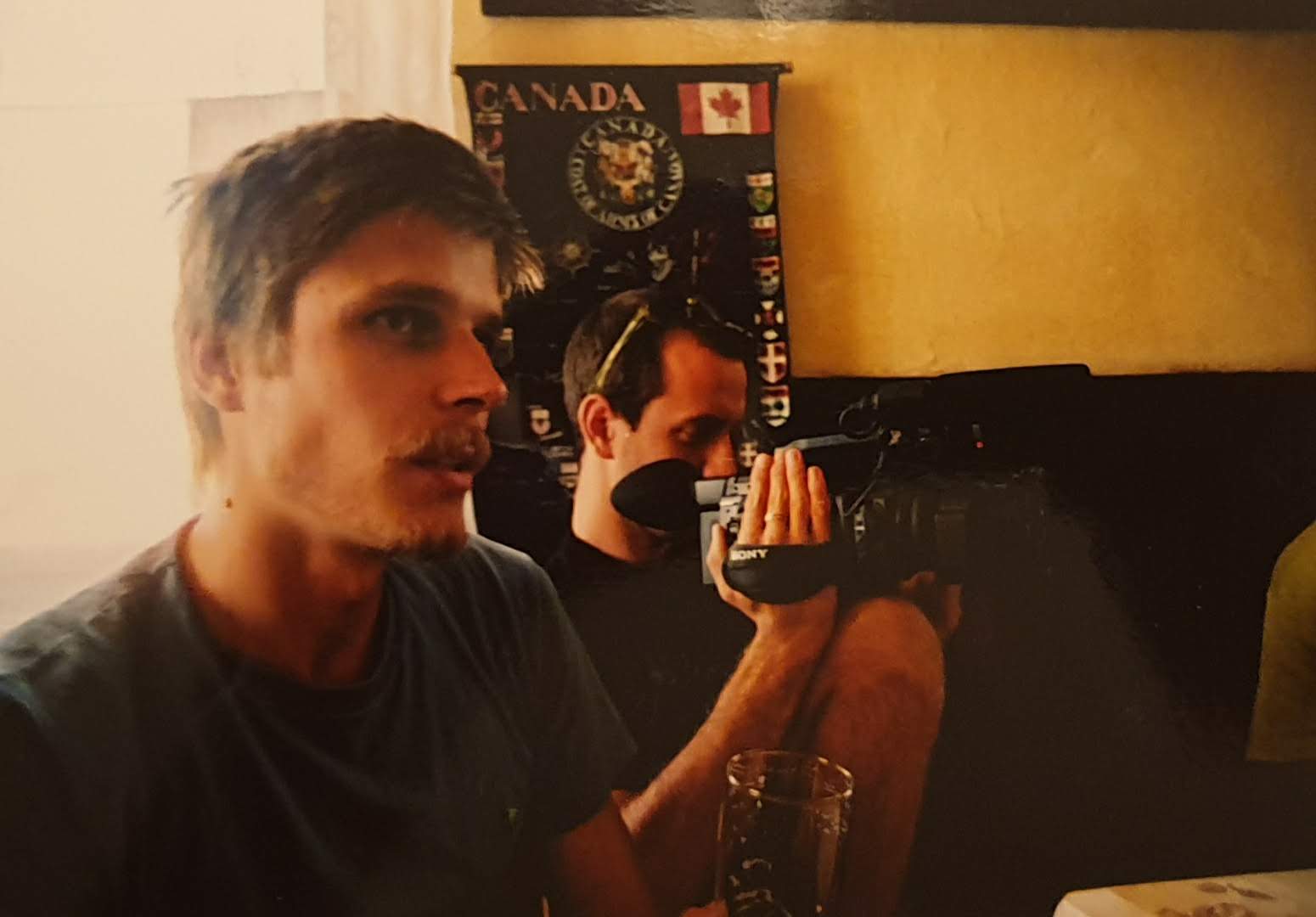
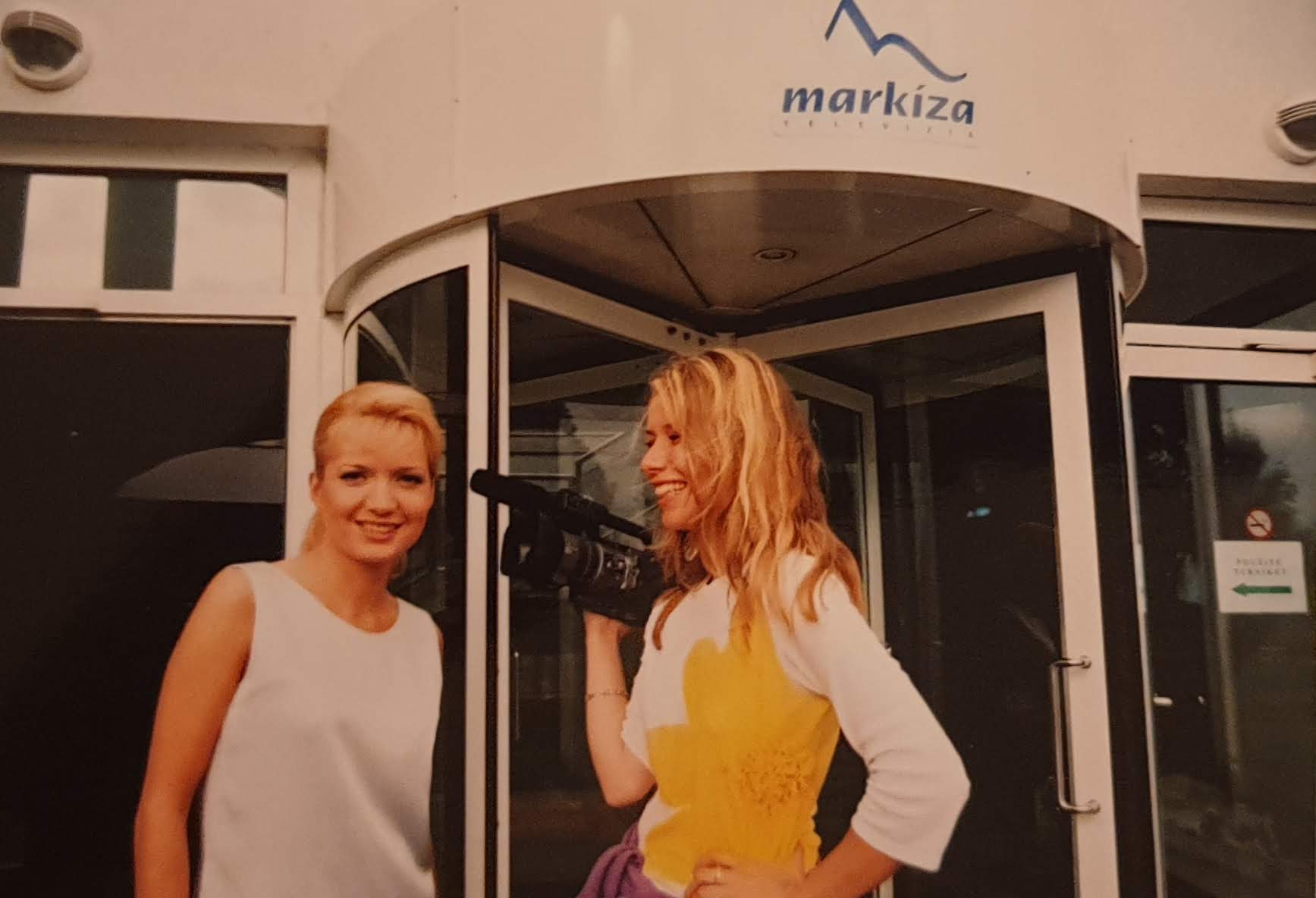
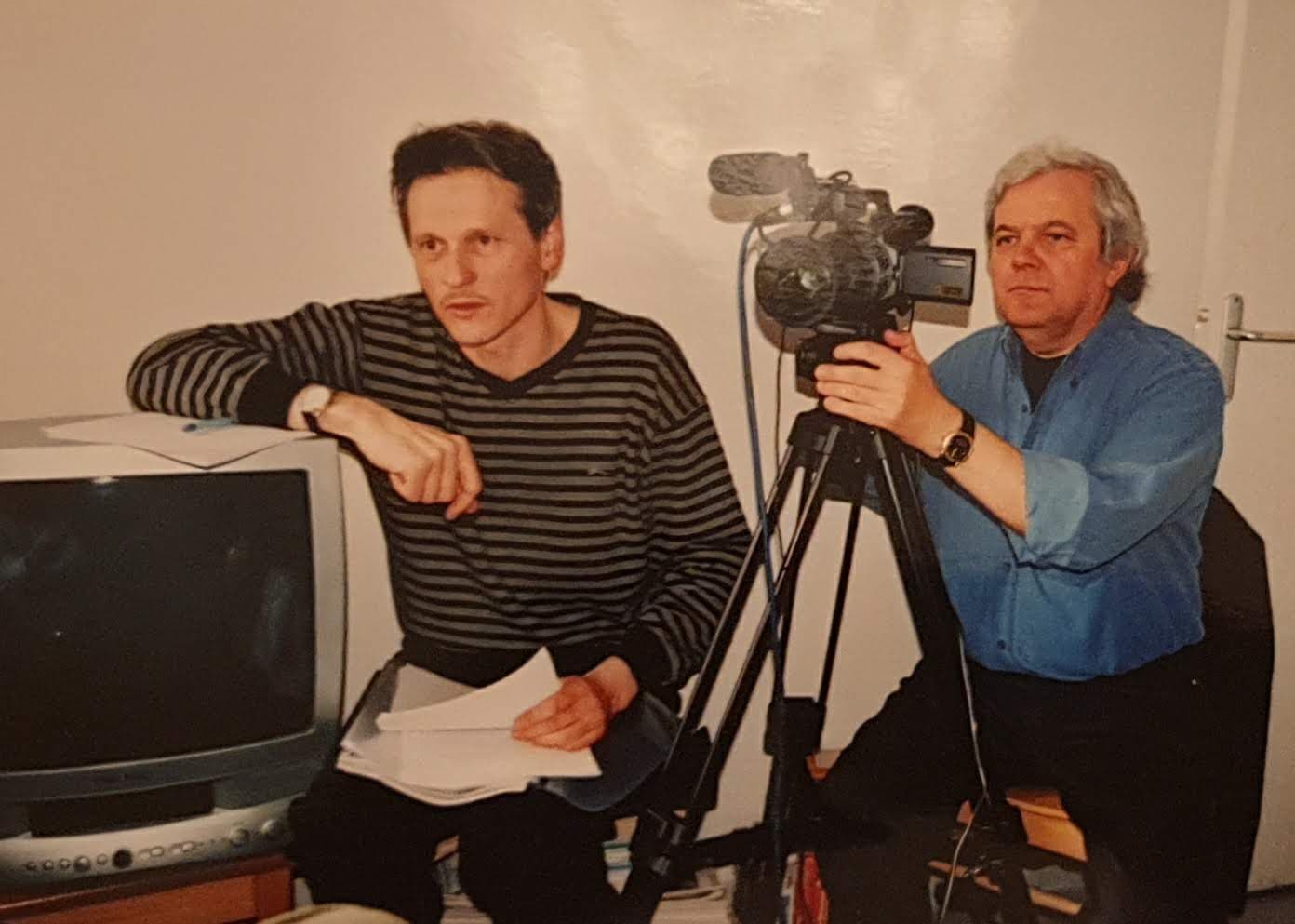
12 film portraits of people shaped by the era after 1989 — the year of political, economic and social change in Czechoslovakia.
Ján Figeľ – politician (directed by Ján Opárty) Ľubomír Lintner – politician (directed by Juraj Lihosit) Miroslav Marcelli – philosopher (directed by Martin Šulík) Jaroslav Siman – paediatric surgeon (directed by Dušan Trančík) Cardinal Jozef Tomko – cardinal (directed by Miro Šindelka) Ján Mazák – President of the Constitutional Court (directed by Jaro Rihák) Milan Čorba – set designer (directed by Martin Hollý) Milan Lasica – actor (directed by Juraj Lehotský) Jarmila Hargašová – TV presenter (directed by Vlado Balko) Miroslav Žbirka – singer (directed by Stanislav Párnický) Natália Hejková – basketball coach (directed by Vlado Balco) Radomír Dudáš – Paralympian (directed by Jana Pirohová)
- Miro Šindelka
- Komunálna poisťovňa a.s.
- STS s.r.o. TV Markíza
- Film Factory
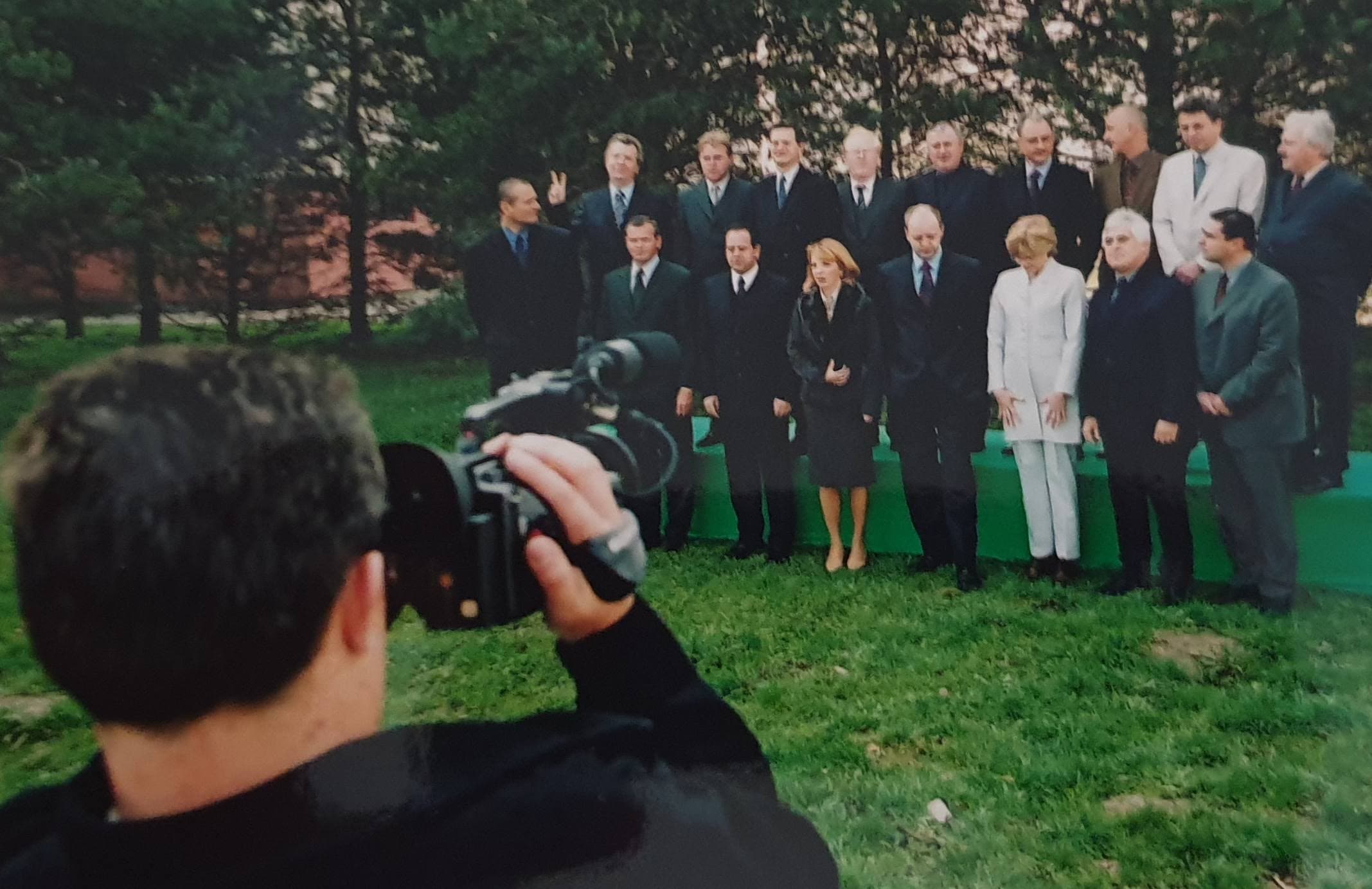
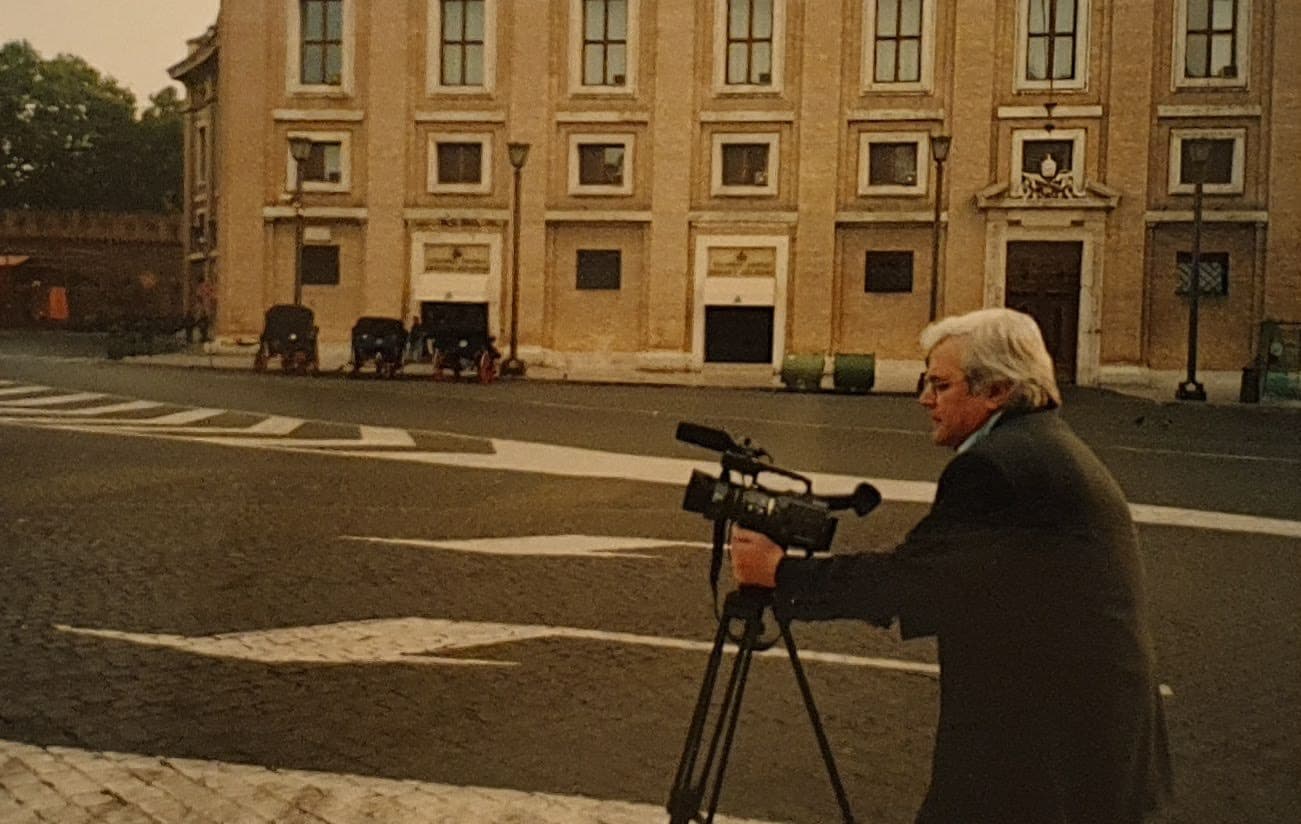
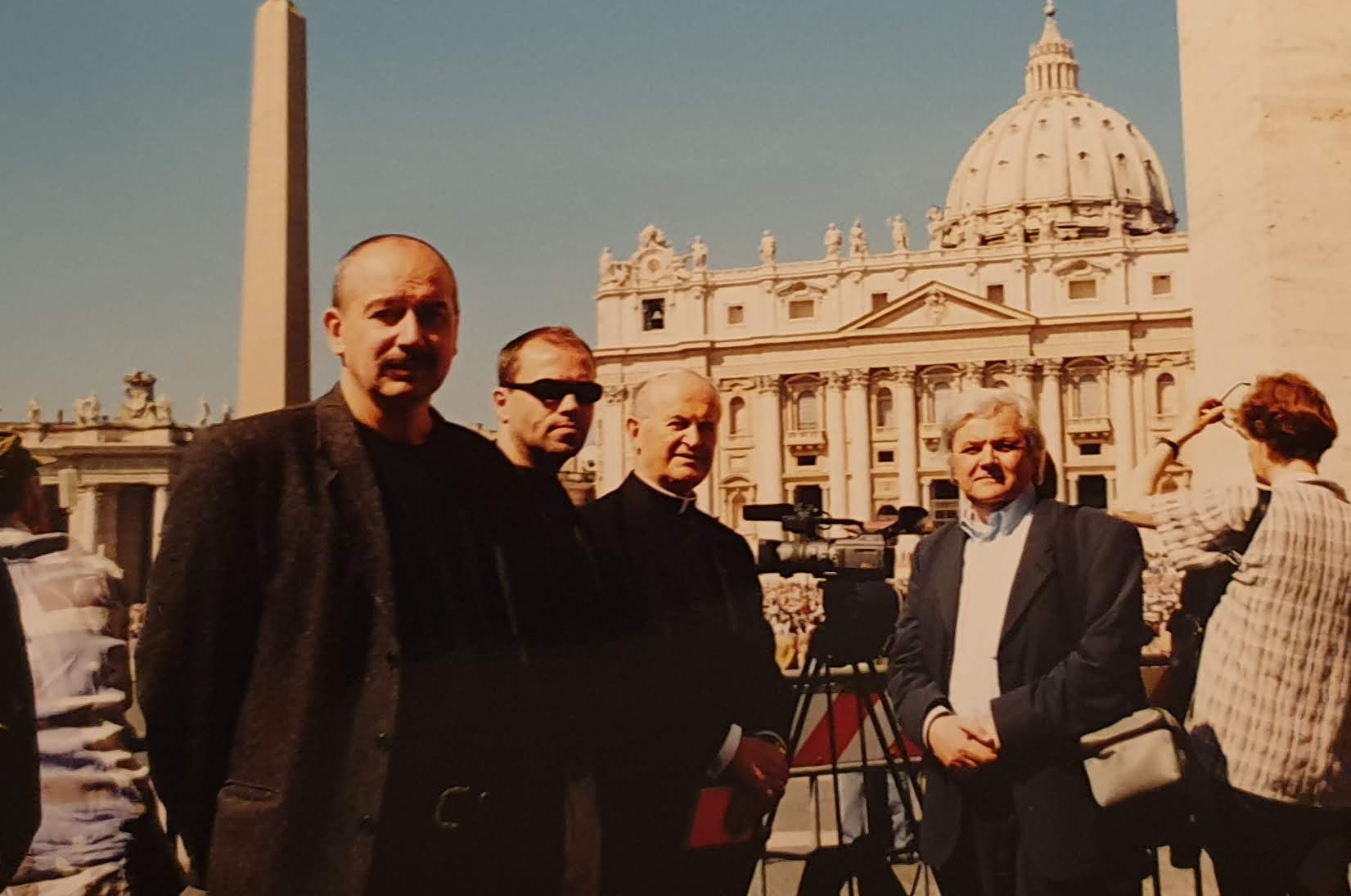
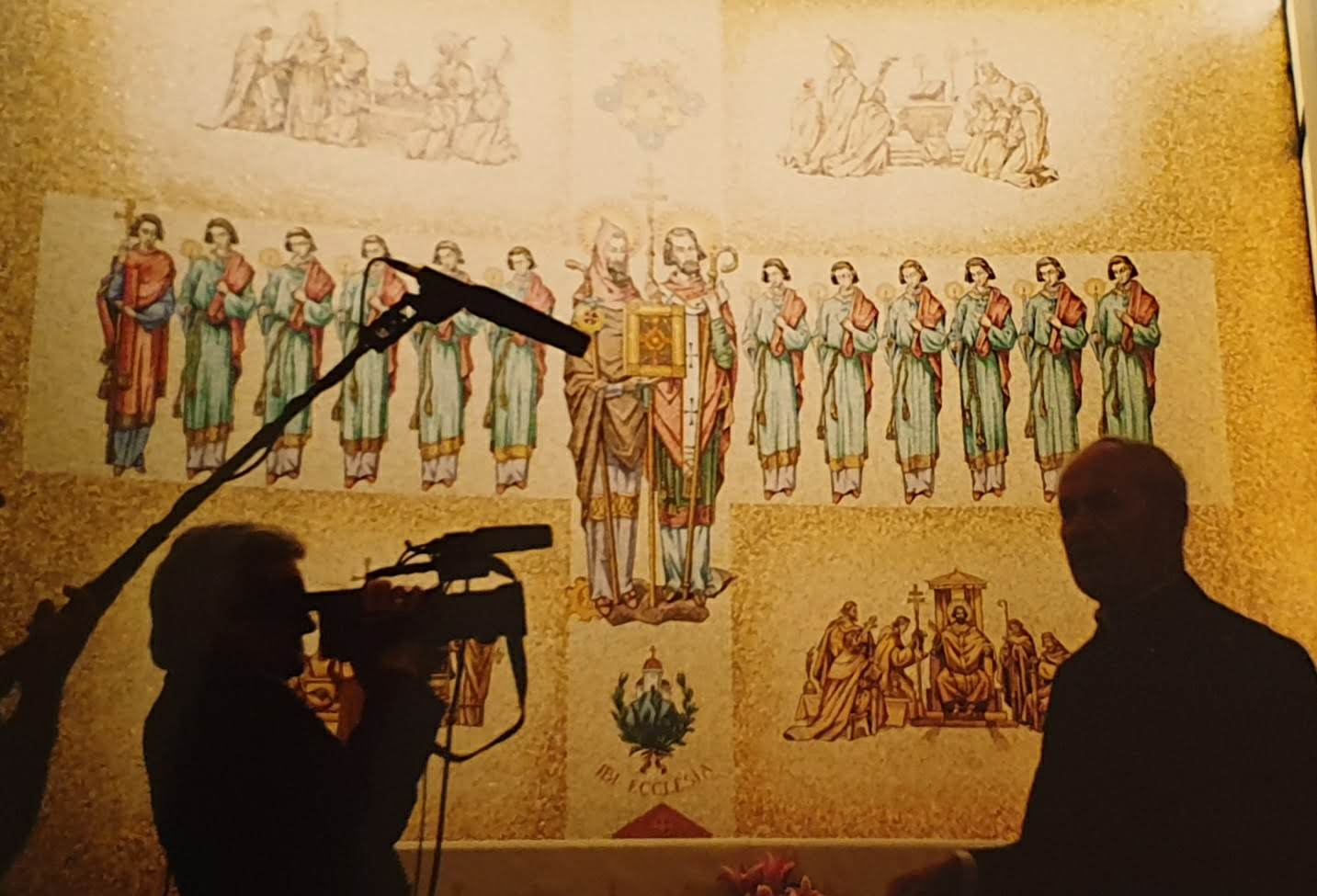
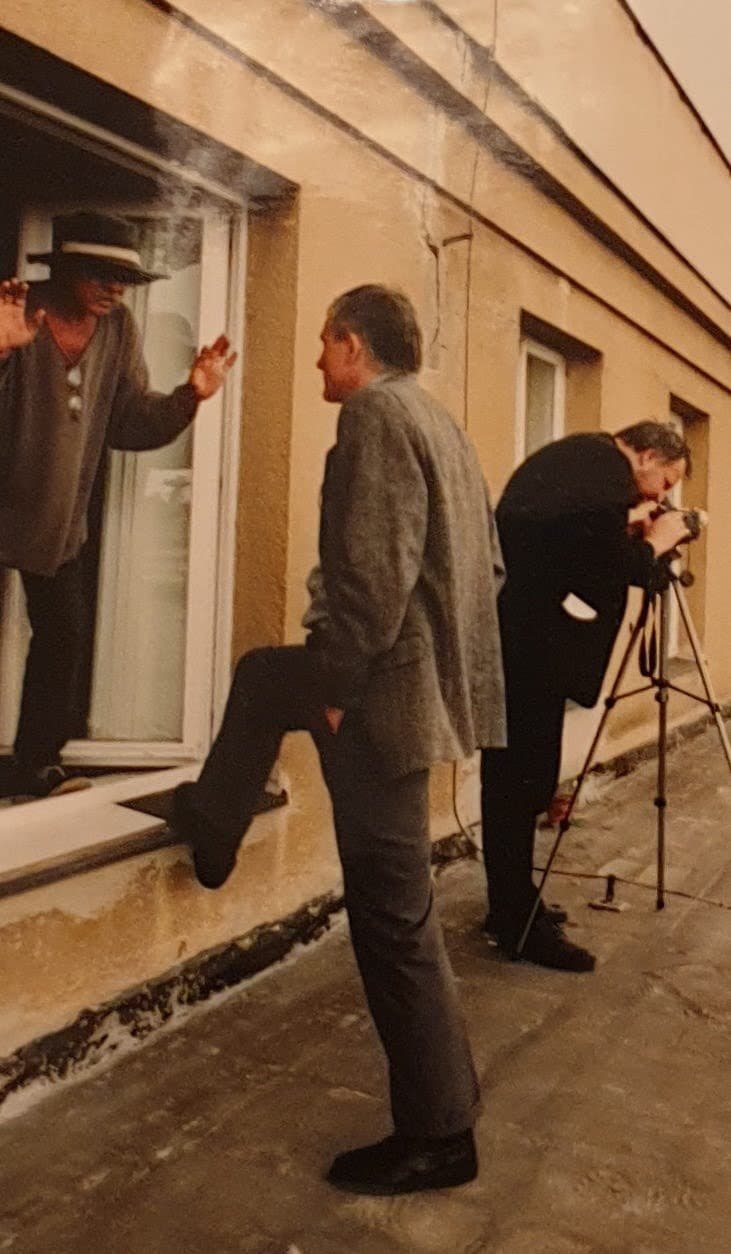
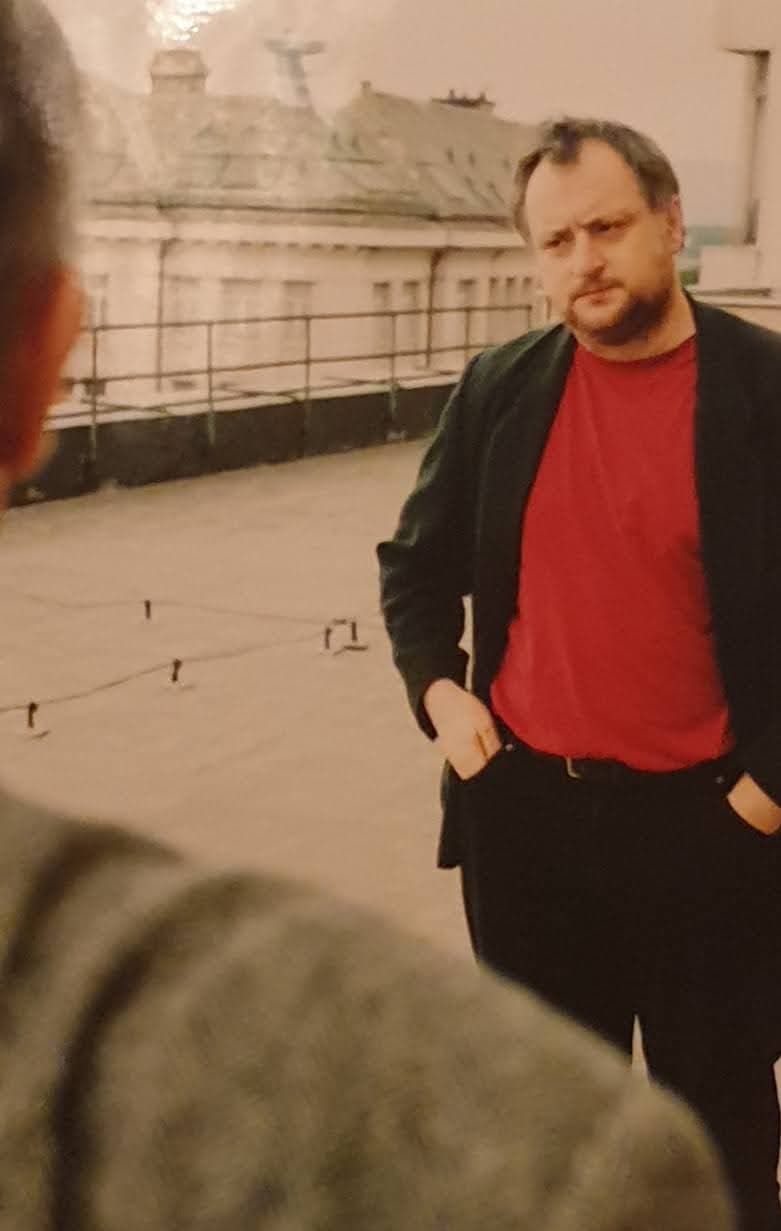
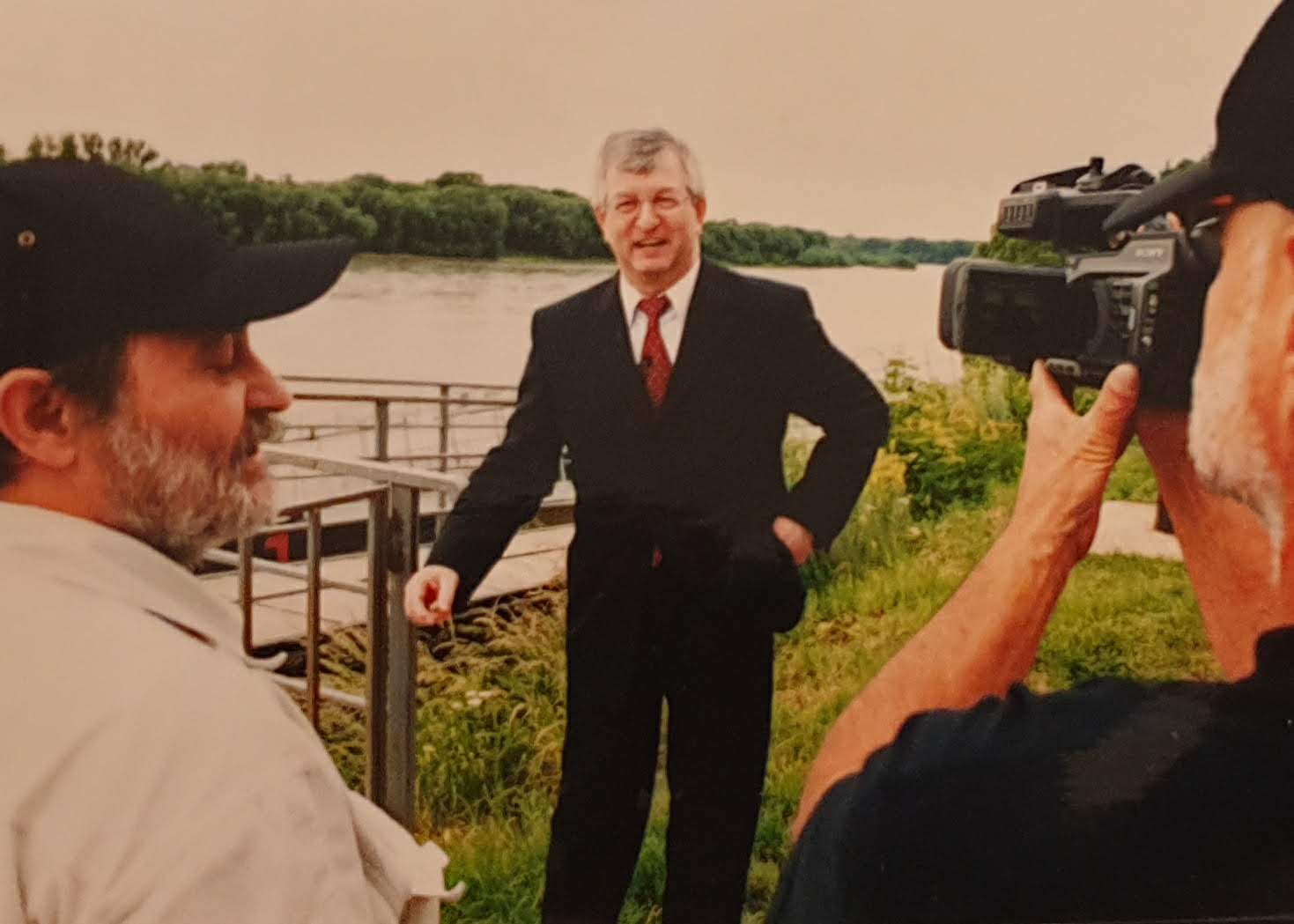
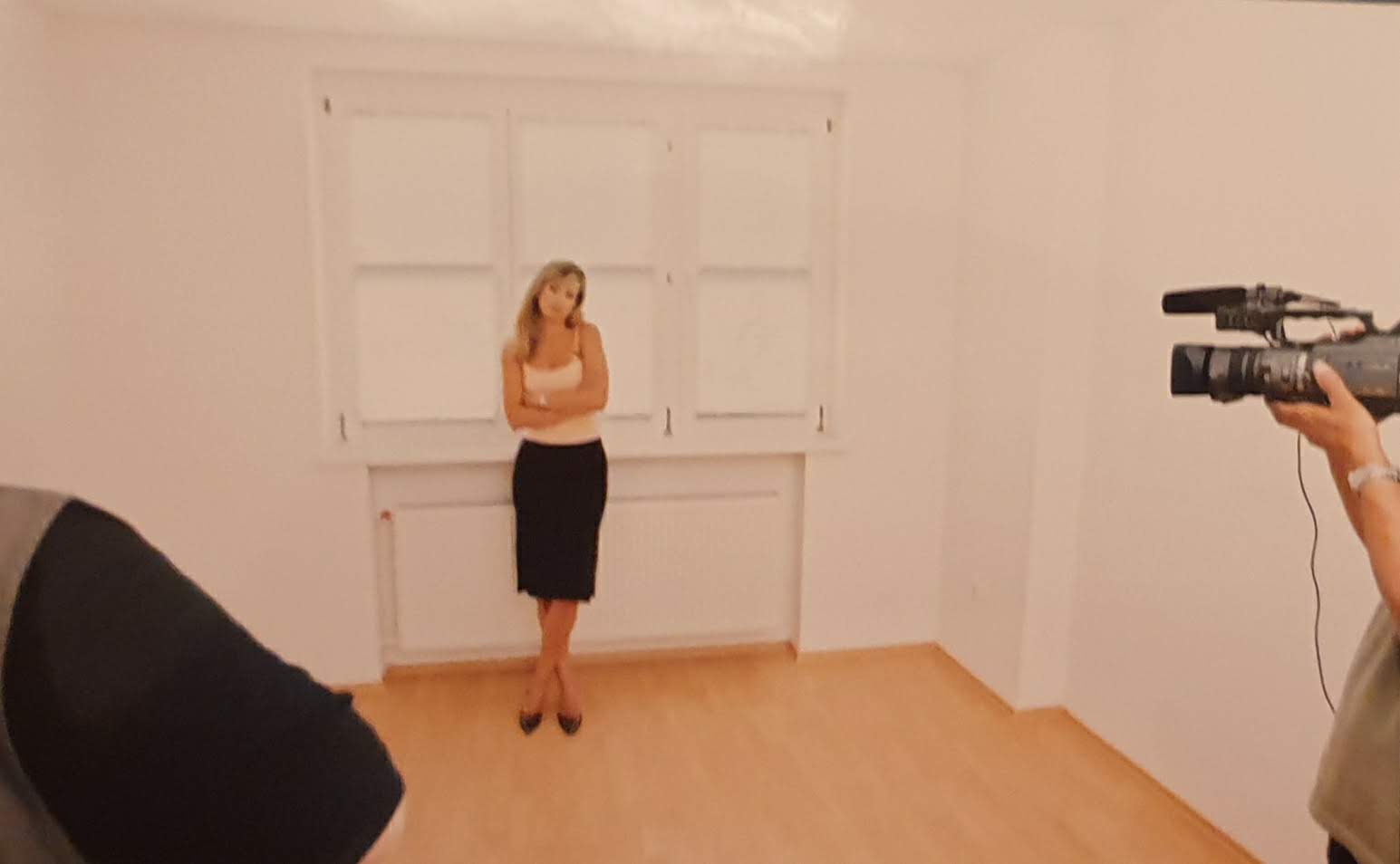
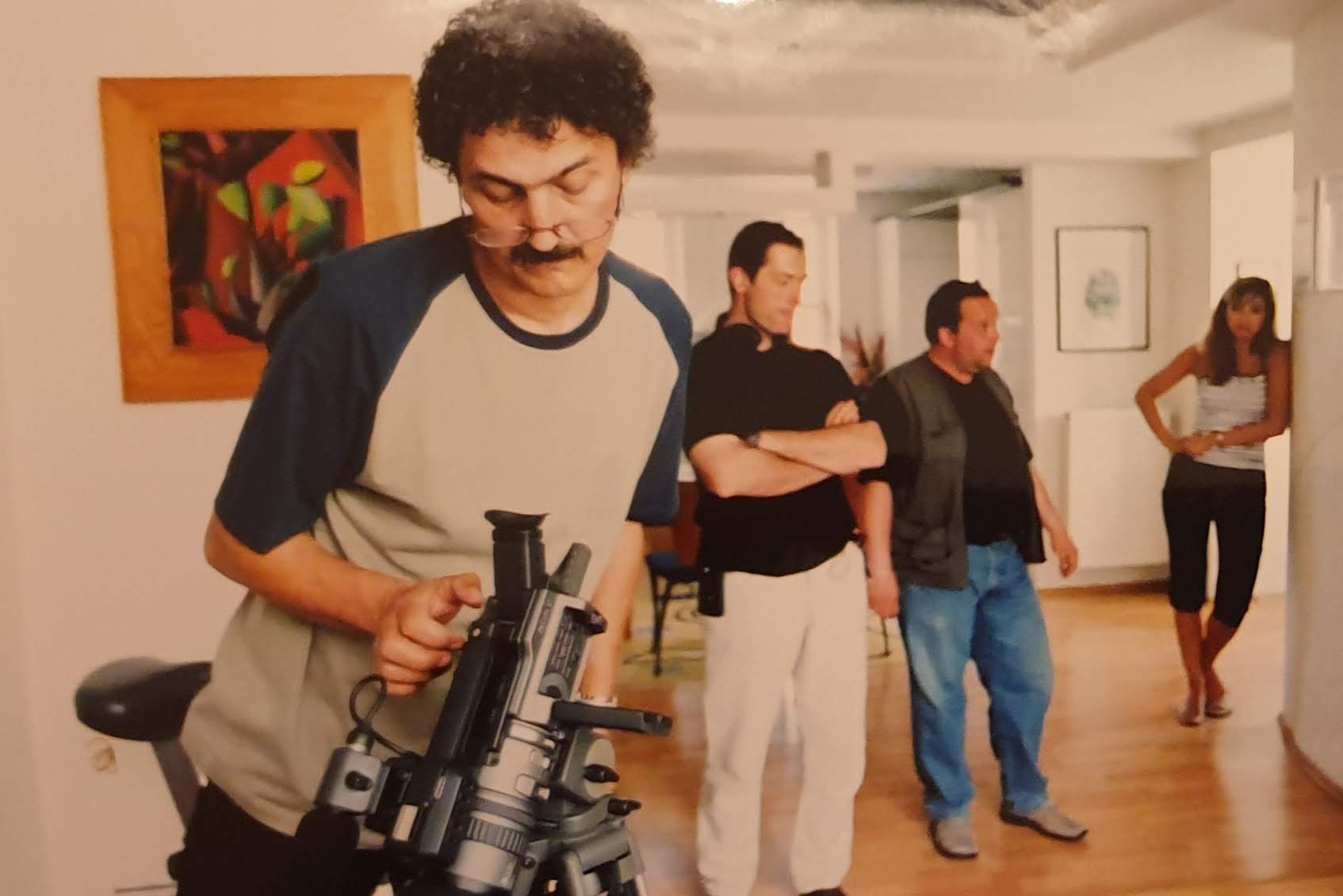
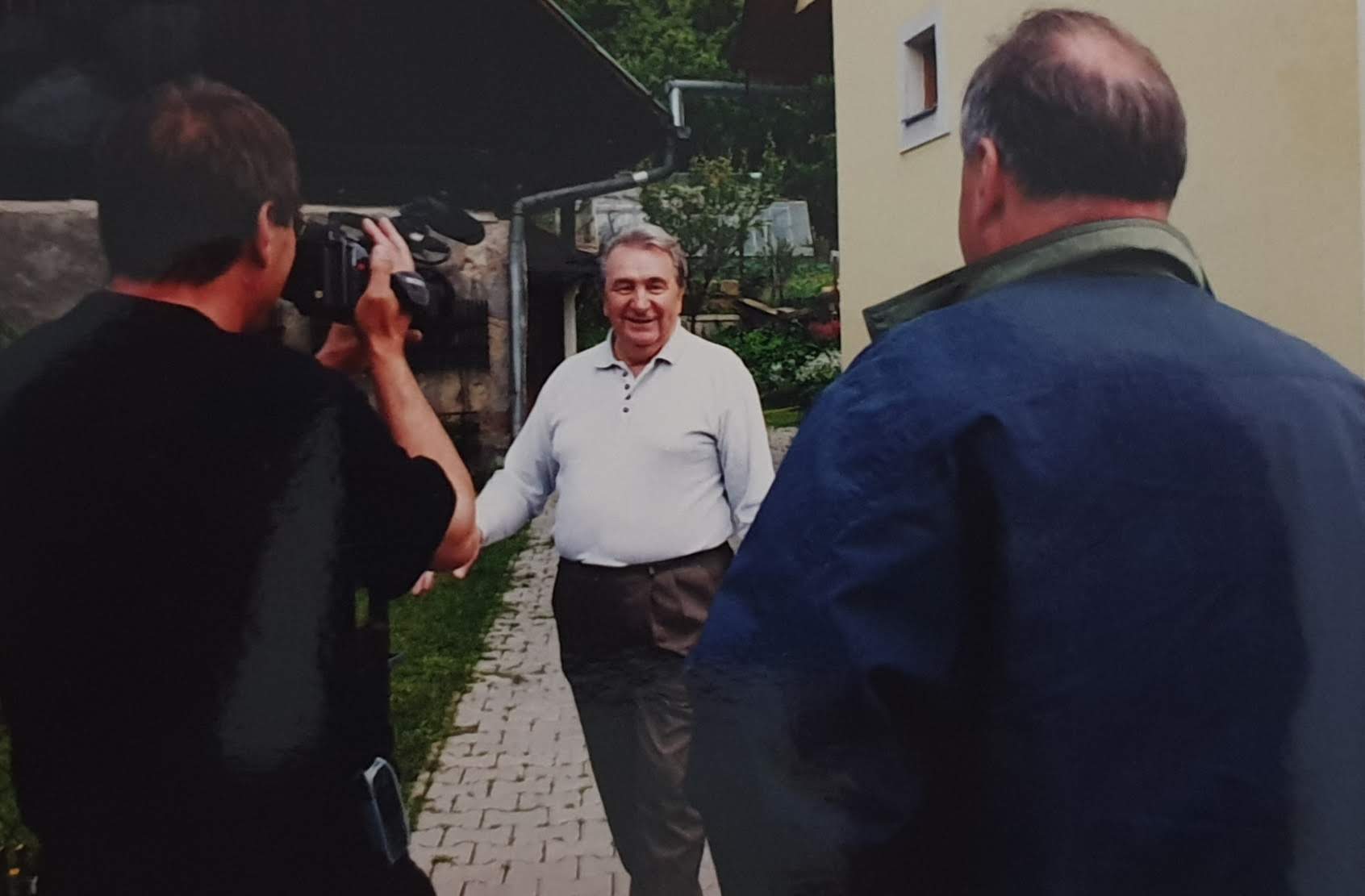
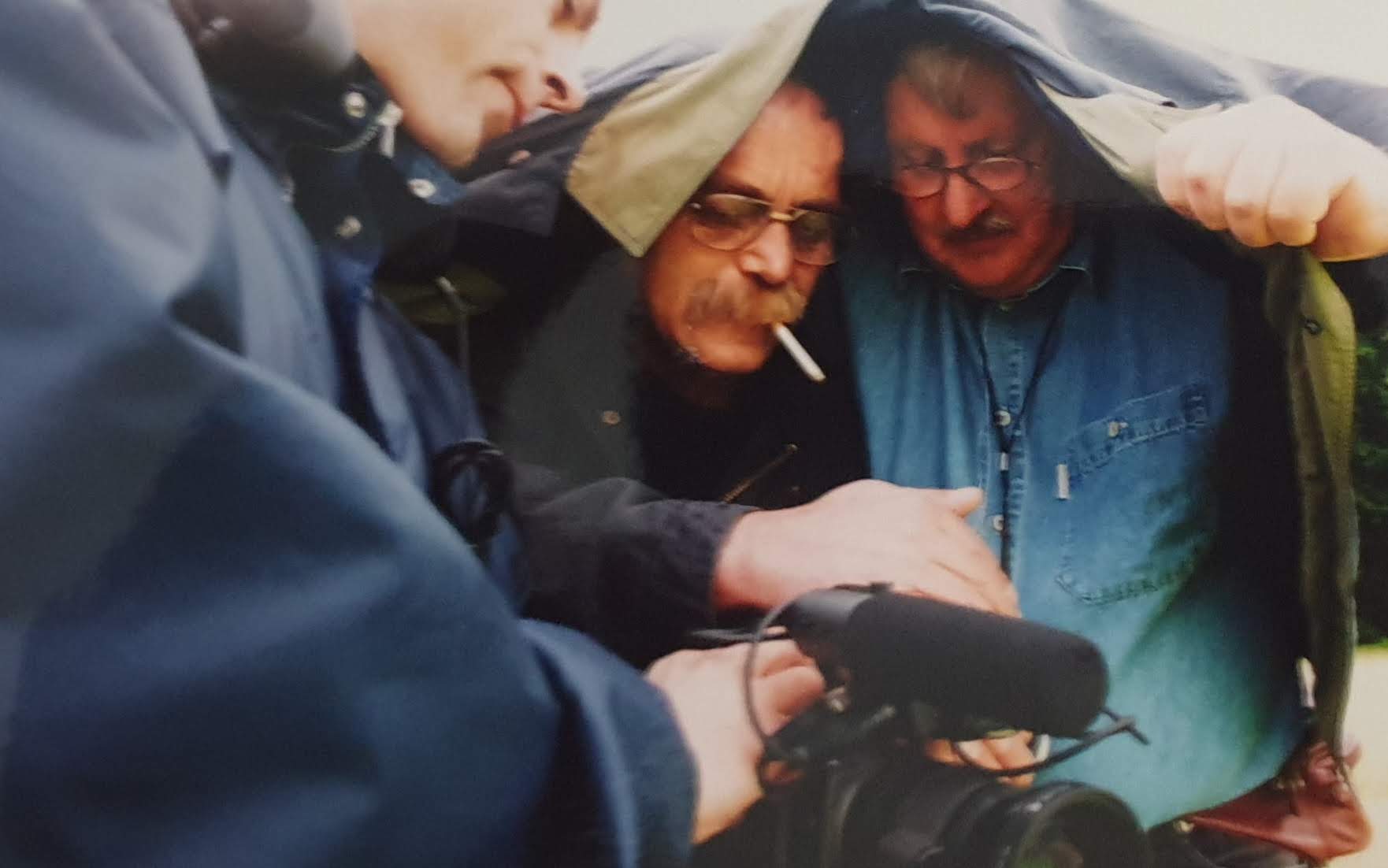
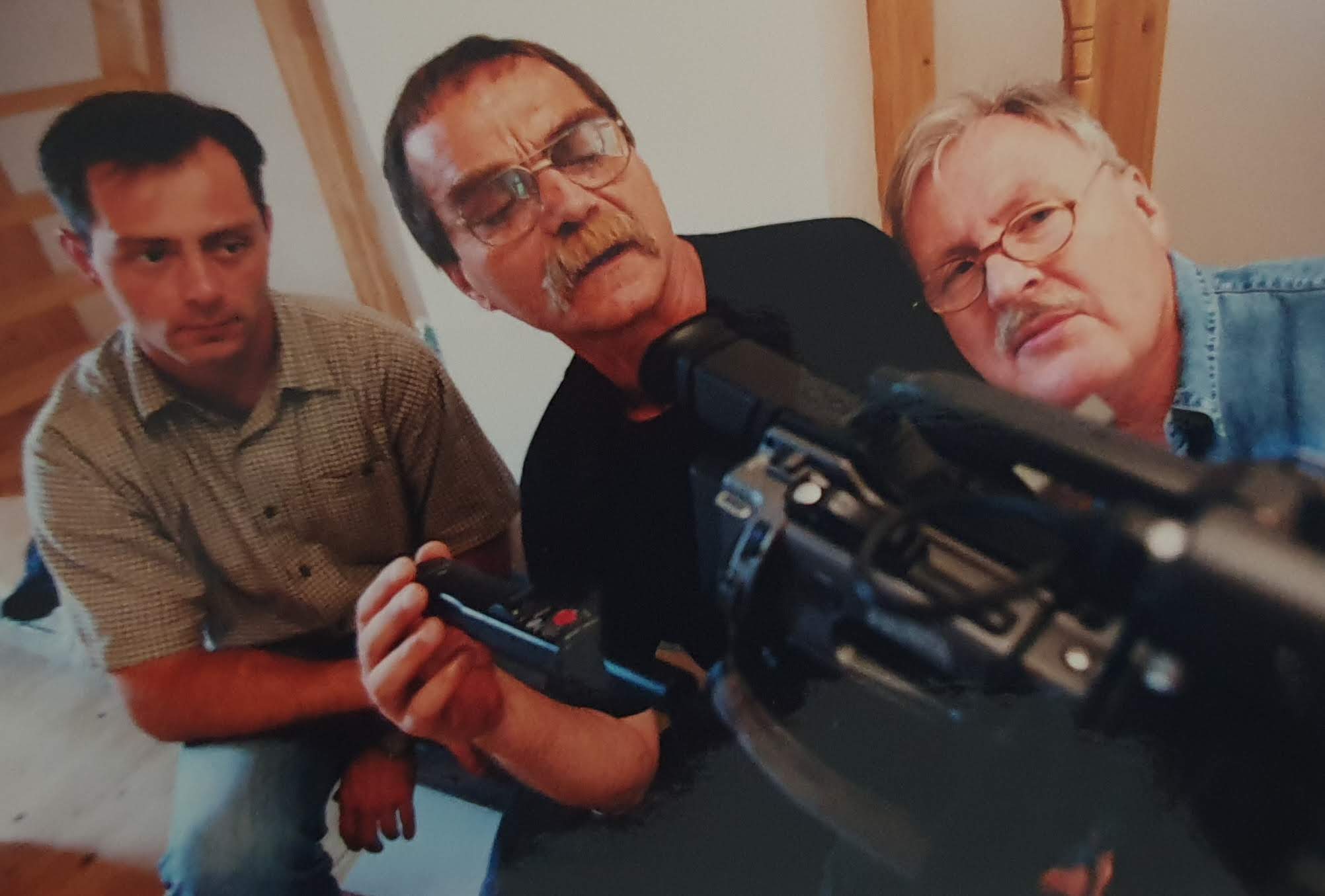
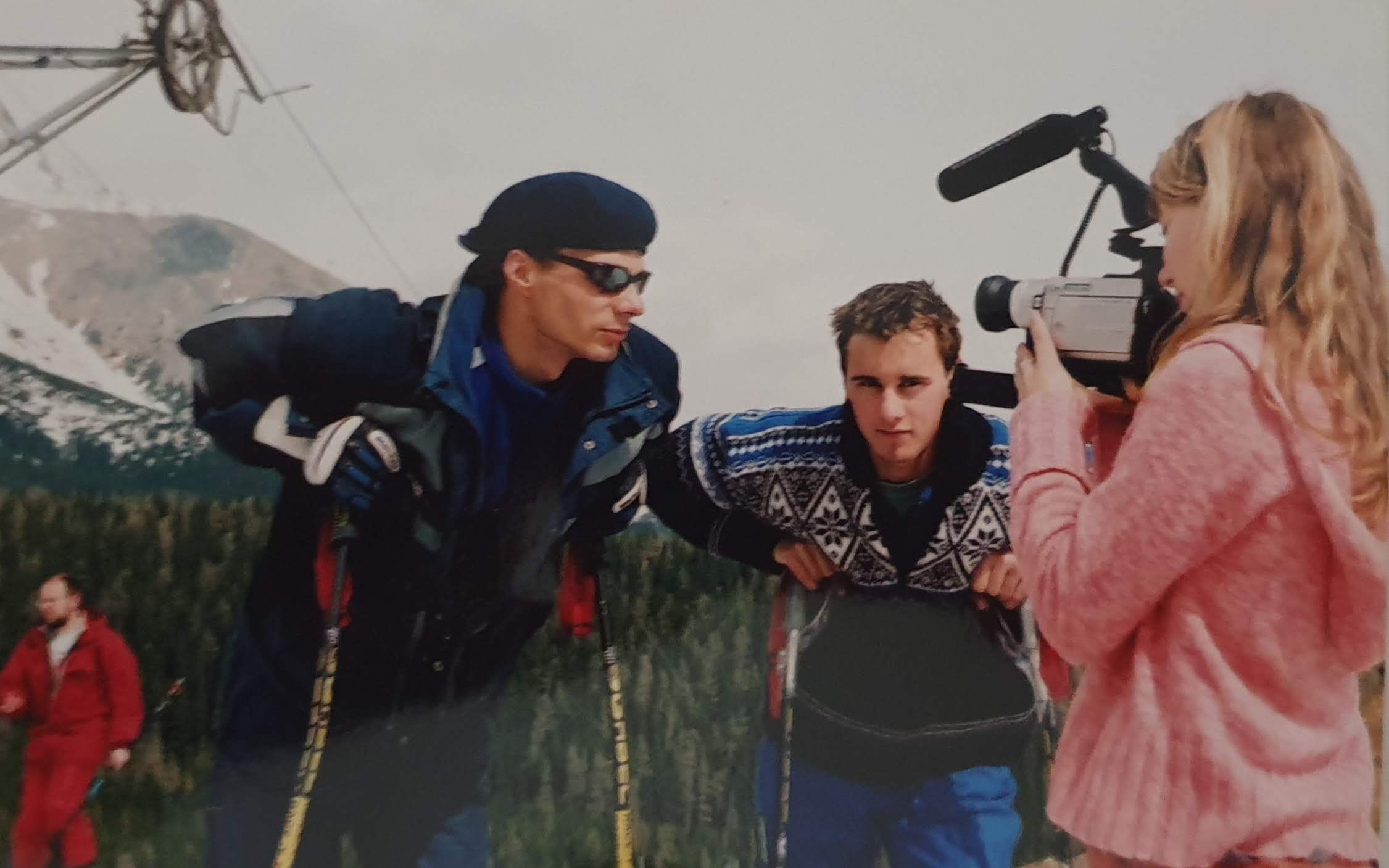
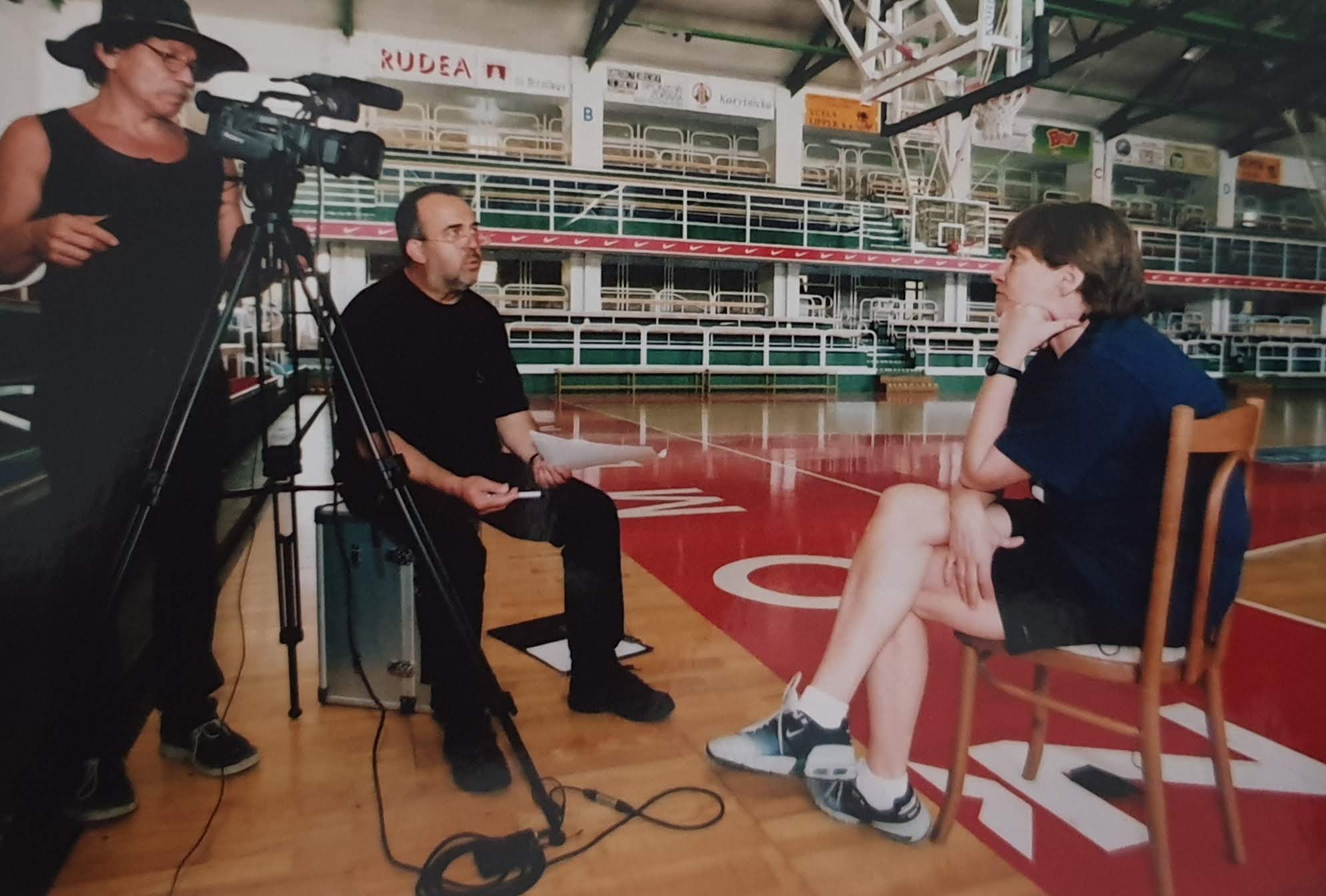
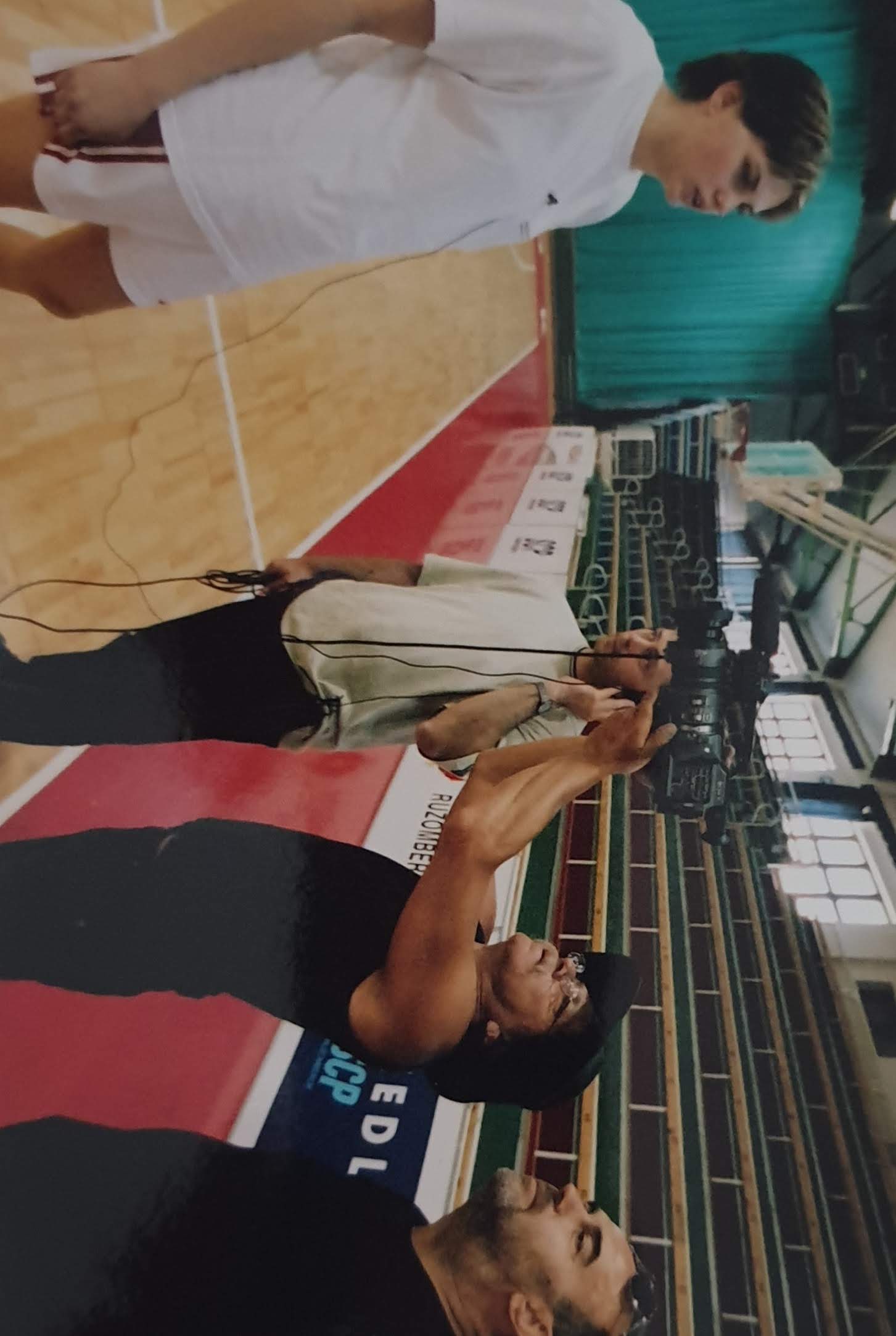
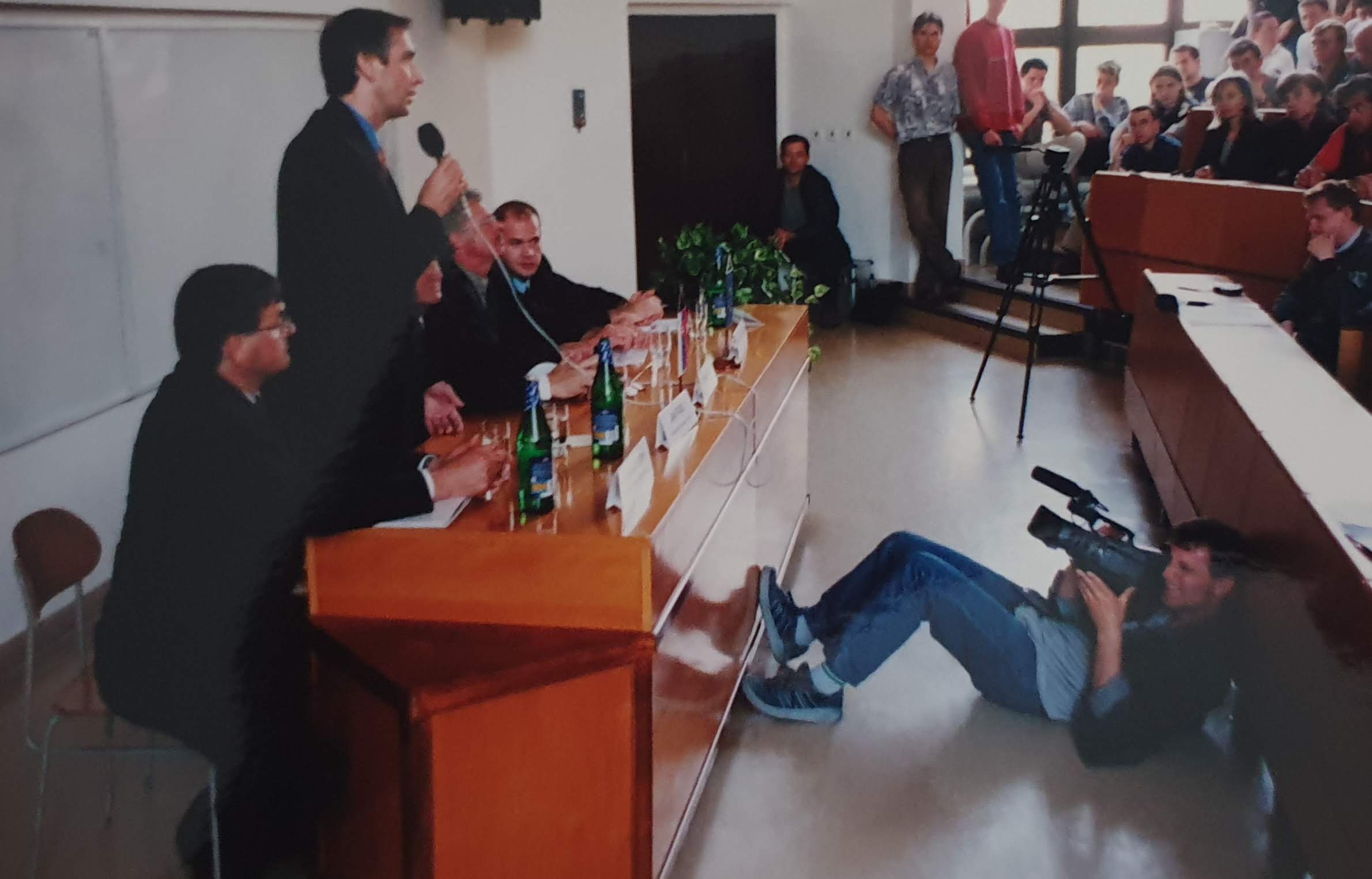
12 film portraits of people shaped by the era after 1989 — the year of political, economic and social change in Czechoslovakia.
Béla Bugár – politician (directed by Tomáš Hučko) Ján Slota – politician (directed by Miro Šindelka) Vladimír Krčméry – doctor (directed by Vlado Balco) Peter Fedor – doctor (directed by Dušan Trančík) Marián Leško – columnist (directed by Tomáš Hučko) Eva Černá – editor (directed by Vlado Krajňák) Zlatica Puškárová – TV presenter (directed by Peter Kubela) Igor Luther – cinematographer (directed by Palo Korec) Juraj Jakubisko – director (directed by Miro Šindelka) Veronika Zuzulová – skier (directed by Peter Dimitrov) Marek Mintál – footballer (directed by Tomáš Hučko) Peter Jureňa – racing driver (directed by Ladislav Janků)
- Miro Šindelka
- STS s.r.o. TV Markíza
- Film Factory
A profile of the eminent Slovak film director Juraj Jakubisko.
- Martin Šulík
- Martin Kollár, Noro Hudec
- Matej Beneš
- Miro Šindelka
- Slovenský filmový ústav
- Film Factory
The eminent Slovak film director Juraj Jakubisko talks about his unrealized films.
- Martin Šulík
- Martin Kollár, Noro Hudec
- Matej Beneš
- Miro Šindelka
- Film Factory
2001Bratislava6 film portraits of Slovak Paralympians.
Margita Prokeinová – swimmer (directed by Vlado Balco) Rasťo Tureček – cyclist (directed by Peter Dimitrov) Alena Kánová – table tennis player (Marek Kuboš) Imrich Lyócsa – archer (directed by Mátyás Prikler) Ján Riapoš – table tennis player (directed by Miro Šindelka) Veronika Vadovičová – shooter (Jaro Vojtek)
- Miro Šindelka
- Film Factory pre STV
- Allan Mikušek
- Miro Šindelka
- Free Faces
- Miro Šindelka
- Hex
- Miro Šindelka
Commercial work
Directing and creative collaboration on over 100 commercial spots for renowned agencies and clients; several ran in advertising campaigns abroad (Czech Republic, Croatia, Bosnia and Herzegovina).
- Soria & Grey
- Publicis Knut
- Mayer/McErickson







- Poľnobanka
- Toryleasing
- Ignis

… and more
Commissioned films
Corporate, promotional and instructional films made to order — presentations for companies and organisations.
- GLOBTEL GSM
- FORZA PRODUCTION HOUSE
- NÁRODNÁ DIAĽNIČNÁ SPOLOČNOSŤ
- MINISTERSTVO ŽIVOTNÉHO PROSTREDIA SR
- SOROS CENTER FOR CONTEMPORARY ARTS BRATISLAVA
Show programmes
Creative and production development of live events and television show programmes.
- TV Markíza
- Forza production house